
Best narrow depth bookshelf for small rooms is really about one thing: getting storage without stealing your walking space, your bed clearance, or that little corner where you actually breathe in a small bedroom.
Most “small-space” furniture advice stops at aesthetics, but the make-or-break detail here is depth, not height. A bookcase that sticks out even a few extra inches can turn your room into a constant shoulder-bump situation, especially near doors, closets, and the side of the bed.
This guide helps you choose a narrow-depth bookshelf that feels intentional, not like a compromise. We’ll cover ideal dimensions, the easiest layout wins, a comparison table, and a short checklist so you can buy once and stop re-measuring the same wall five times.
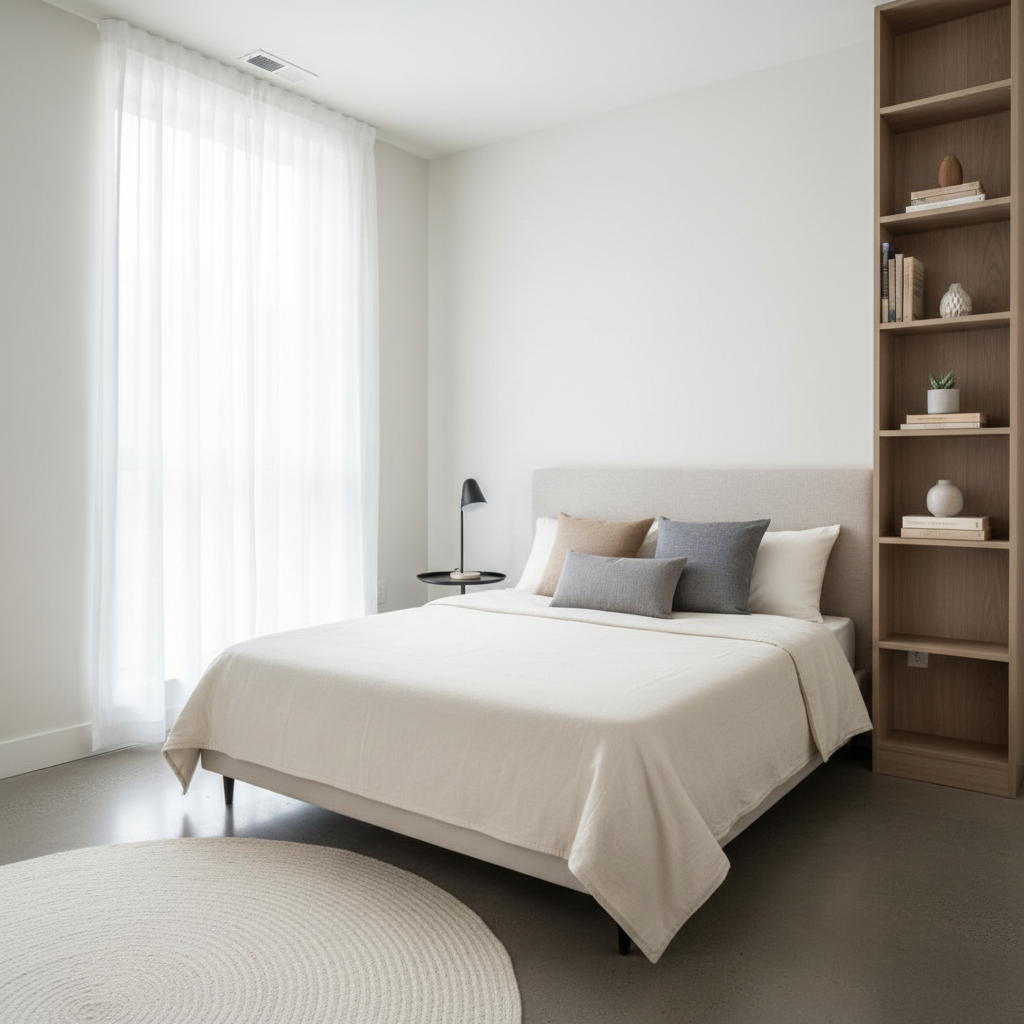
What “narrow depth” really means (and what usually works)
In small bedrooms, depth is the dimension that hits circulation first, while height often helps you “store up” instead of “store out.” In most cases, a narrow-depth bookshelf means roughly 6–10 inches deep, sometimes up to 12 inches if the placement is forgiving.
A quick way to think about it: if you can’t pass between the bed edge and the shelf without turning sideways, the depth is too aggressive for that spot.
- 6–8 in deep: Great for paperbacks, decor, small bins, kids’ books front-facing, tight hall-like paths.
- 9–10 in deep: A practical sweet spot for most novels, small organizers, some framed photos.
- 11–12 in deep: Works if the shelf sits on a “dead wall” or you have more clearance near the foot of the bed.
According to ANSI/BIFMA (a widely used furniture safety and performance standards organization), stability and tip-over risk are key considerations for tall storage furniture, which matters even more when you choose a slimmer footprint.
How to pick the right bookshelf for your bedroom layout
The best narrow depth bookshelf for small rooms depends on where it lands. Same shelf, different wall, totally different experience.
1) Next to the bed (nightstand replacement)
If you’re replacing a nightstand, prioritize stable base + reachable top shelf. A slim tower can work, but only if it doesn’t wobble when you grab your phone at 2 a.m.
- Look for a top surface at or slightly above mattress height.
- Choose closed bins for the lower shelves to reduce visual clutter.
2) Behind a door or near a closet
Door swing is the silent shelf-killer. Depth may be fine, but the handle catches, or the door can’t open fully.
- Measure with the door fully open, then leave a little buffer for real-life use.
- A ladder-style shelf often feels lighter visually in these spots.
3) In a corner (often the highest ROI)
Corners are where narrow shelves shine because you’re usually not walking through that triangle of space anyway. A tall, slim bookcase can add serious capacity here.
- Consider corner shelves if you mainly store lighter items and decor.
- Anchor taller pieces if kids or pets are in the home.
Quick comparison: common narrow-depth bookshelf types
You’ll see the same few formats over and over. Here’s how they behave in a small bedroom, not just how they look in product photos.
| Type | Typical depth | Best for | Trade-offs |
|---|---|---|---|
| Vertical narrow bookcase | 7–10 in | Max storage on one small footprint | May need wall anchoring for safety |
| Ladder shelf | 8–12 in | Light visual look, decor + light books | Some have uneven shelf depth, less “library” capacity |
| Wall-mounted picture ledges | 4–6 in | Ultra-tight rooms, display + rotating reads | Needs drilling, limited for heavy hardcovers |
| Cube organizer (shallow version) | 10–12 in | Bins, mixed storage, kid rooms | Can still feel “blocky” in very tight paths |
| Over-the-toilet/over-dresser hutch | 6–10 in | Using vertical space above existing furniture | Fit is picky, can look crowded if overfilled |
A fast self-check before you buy (no redesign required)
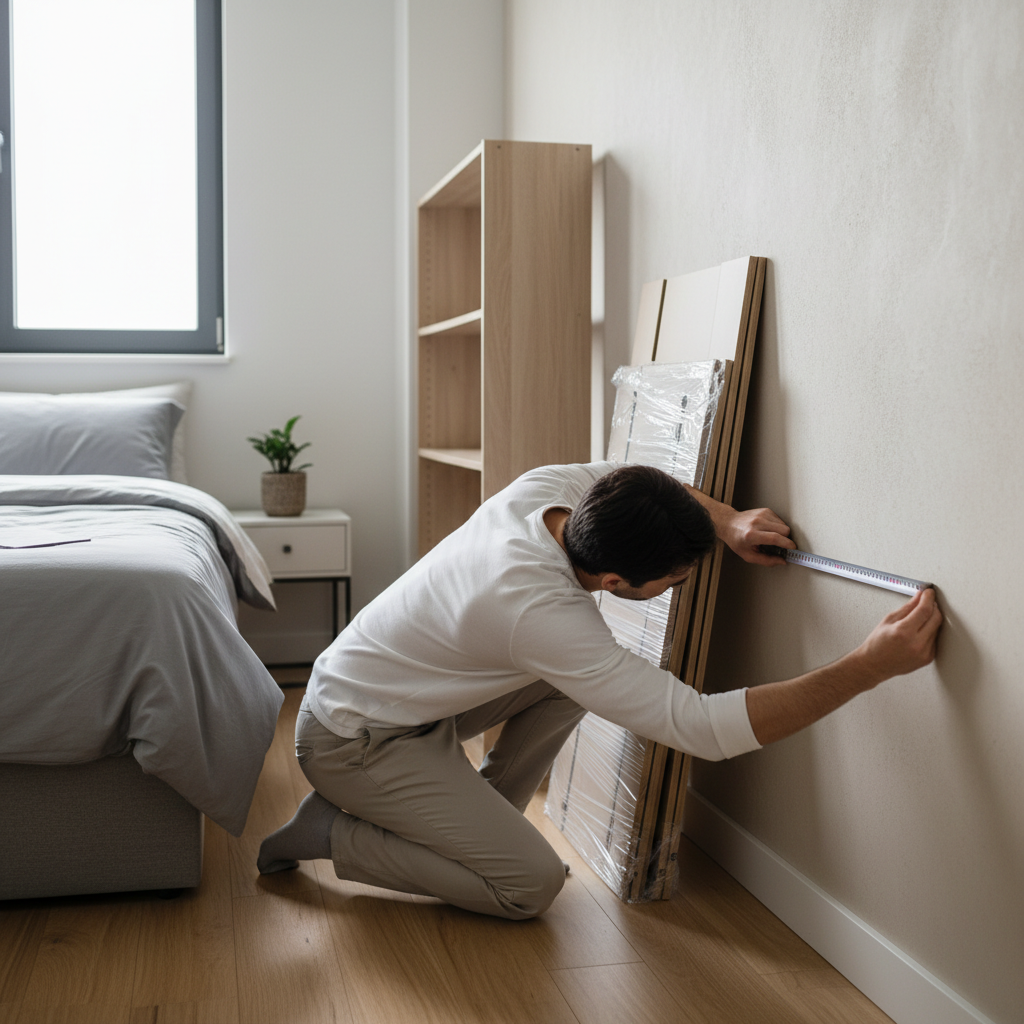
If you only do one thing, do this: measure depth, then test it with painter’s tape on the floor so you can “feel” the walkway. It sounds basic, but it saves the most returns.
- Walkway check: Can you pass with a laundry basket without turning sideways?
- Door check: Can the door open fully without scraping or bumping?
- Outlet check: Will the shelf block an outlet you actually use?
- Baseboard check: Some shelves sit weirdly against thick baseboards and lean.
- Book fit check: Measure your tallest hardcover height and your widest book depth.
- Safety check: If it’s tall and slim, are you willing to anchor it?
According to the U.S. Consumer Product Safety Commission (CPSC), tip-over incidents with furniture are a recognized household safety risk, so anchoring tall storage is a reasonable precaution in many homes.
Practical buying tips: dimensions, materials, and features that matter
Product pages love buzzwords, but small rooms reward boring details: shelf adjustability, back panels, and how the thing actually gets into your space.
Dimensions that tend to work
- Depth: 6–10 inches for tight bedrooms, 10–12 if placed away from traffic.
- Width: 14–24 inches keeps it “slim” while still useful.
- Height: Go taller if floor space is the constraint, just plan anchoring.
Material choices (real-world pros/cons)
- Engineered wood: Often budget-friendly, heavy enough to feel stable, but edges can chip if moved a lot.
- Solid wood: Usually sturdier, often pricier, can be heavier to carry upstairs.
- Metal frame + wood shelves: Airier look, good for small rooms, but check shelf weight ratings.
Features worth paying attention to
- Adjustable shelves: Lets you avoid wasted vertical space between shelves.
- Anti-tip kit included: Not a deal-breaker, but a good sign.
- Closed storage option: A couple drawers or doors can calm visual clutter.
Setup ideas that make a narrow bookshelf feel bigger (without adding bulk)
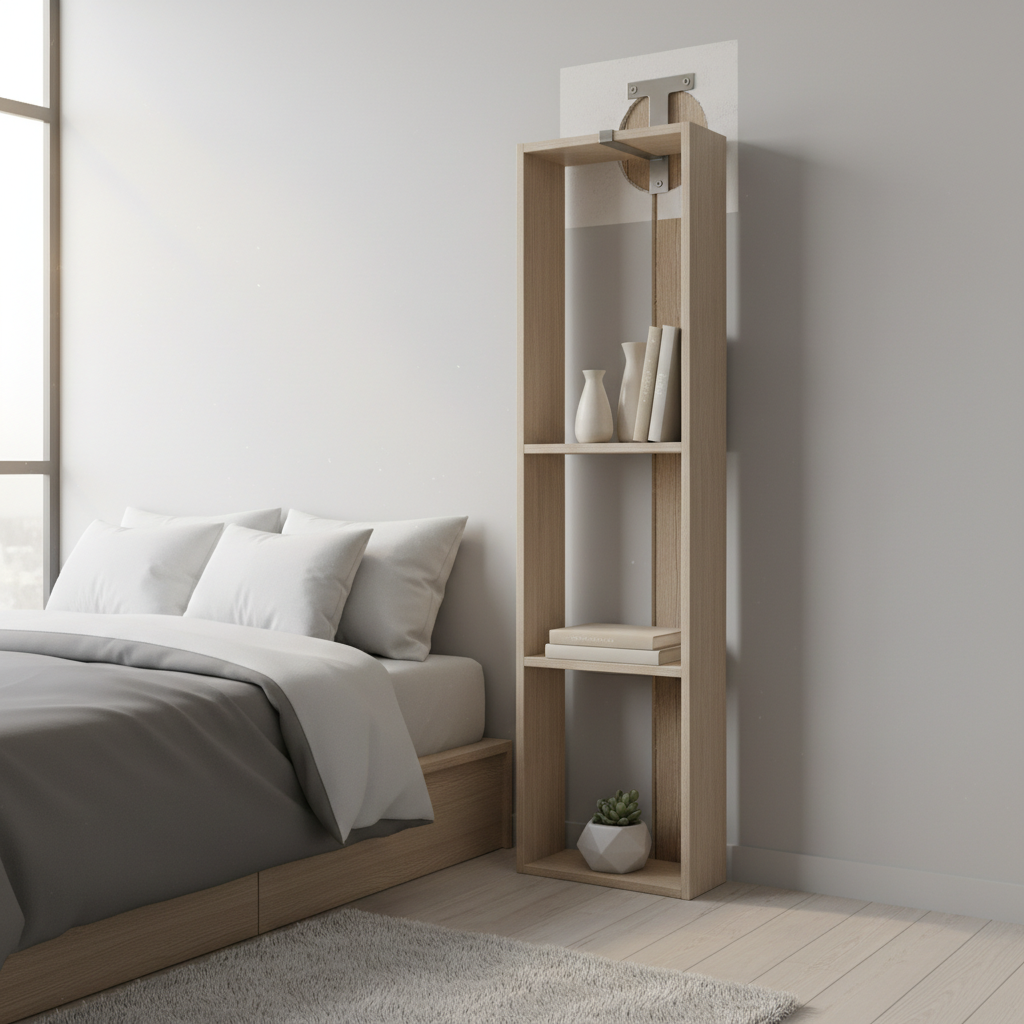
Even the best narrow depth bookshelf for small rooms can look cramped if it’s overstuffed or styled like a living room display case. A few small choices usually fix that.
- Use bins on the bottom: Hides cables, chargers, and “random stuff” fast.
- Leave 20–30% breathing room: A little empty space makes the shelf look intentional.
- Group books by height: Reduces the jagged visual line that makes small rooms feel busy.
- Put heavy items low: Helps stability and makes anchoring less stressful.
- Try double-duty zones: A narrow shelf plus a wall hook rail can replace a bulky dresser corner.
If you rent and can’t drill, look for freestanding shelves with a wider base, and consider non-permanent stabilization options, but for tall units it’s still smart to ask your landlord or a handyman what’s acceptable.
Common mistakes (and what to do instead)
- Mistake: Buying based on “overall width” and forgetting depth.
Do instead: Tape the depth on the floor and live with it for a day. - Mistake: Choosing the tallest, skinniest shelf with no anchoring plan.
Do instead: Either anchor it, or pick a slightly shorter model with a stronger base. - Mistake: Storing only books, no containment.
Do instead: Mix books with a few bins so small items stop spilling everywhere. - Mistake: Blocking vents or heaters.
Do instead: Keep clearance around HVAC areas; if unsure, ask a building professional.
Bottom line: the “best” choice is the one you can walk past
If you’re shopping for the best narrow depth bookshelf for small rooms, pick depth and stability first, then worry about style. In most small bedrooms, a 6–10 inch depth shelf placed on a low-traffic wall or corner gives you the cleanest win: more storage, less frustration.
Your next move: measure the tightest walkway in the room, mark the depth with tape, then decide whether you want a tall vertical unit, a ladder shelf, or wall ledges based on what you store most. That single step prevents the most common “it looked smaller online” regret.
Key takeaways
- Depth drives comfort: narrow shelves keep pathways usable.
- Go vertical when floor space is scarce: height is your friend if you anchor safely.
- Test with tape before buying: it’s the fastest reality check.
FAQ
What depth is considered a narrow bookshelf for a small bedroom?
Many shoppers call 6–10 inches “narrow depth,” because it holds most books while staying out of walkways. If you mainly store decor or paperbacks, you can go shallower with ledges.
Will a 10-inch deep bookshelf hold standard hardcover books?
Often yes, but it depends on the specific book size and how much overhang you tolerate. Measure your deepest hardcover and compare it to the shelf’s usable depth, not just the advertised number.
Is a tall narrow bookshelf safe in a bedroom?
It can be, but tall slim furniture has a higher tip risk, especially with kids or pets. Many situations call for anchoring to wall studs; if you’re unsure about your wall type, a handyman can help.
What’s better for small rooms: ladder shelves or straight bookcases?
Ladder shelves usually feel lighter visually and can work well for decor and lighter items. Straight vertical bookcases typically hold more books per square foot, which matters if storage is the real problem.
How do I choose a bookshelf if my bedroom door barely clears the wall?
Start with the door swing and trim clearance, then choose a shallower option or move the shelf to a corner. In tight spots, wall-mounted ledges can avoid the door conflict entirely.
Can I use wall-mounted ledges instead of a narrow bookshelf?
Yes, especially for a small rotating book collection or display. Just be realistic about weight, and follow the mounting instructions for your wall type.
What’s the easiest way to make a narrow bookshelf look less cluttered?
Use a couple matching bins, leave some open space, and limit tiny items. Small rooms amplify visual noise, so a little restraint tends to look more “designed.”
If you’re trying to fit storage into a tight bedroom and you want a more “no-guesswork” plan, it can help to list what you’re storing and where the traffic paths actually are, then match that to a narrow shelf type and depth before you click buy.