
Best stackable dining chairs for small spaces are the ones you can actually live with day to day, not just store away, meaning they tuck in neatly, feel stable, and don’t look like “backup seating.” If your dining area overlaps with a kitchen walkway, a home office nook, or a studio living room, chair footprint and stack height start to matter as much as style.
The tricky part is that “stackable” covers a wide range, from café chairs that stack high but feel rigid, to cushioned dining chairs that stack only a few but are comfortable for long meals. Many shoppers also underestimate clearance issues like table apron height, armrest width, and how easily chair legs catch on rugs.
This guide helps you choose based on real small-space constraints, then gives a short list of what to measure, what to avoid, and how to set up a stack that stays safe and scratch-free.
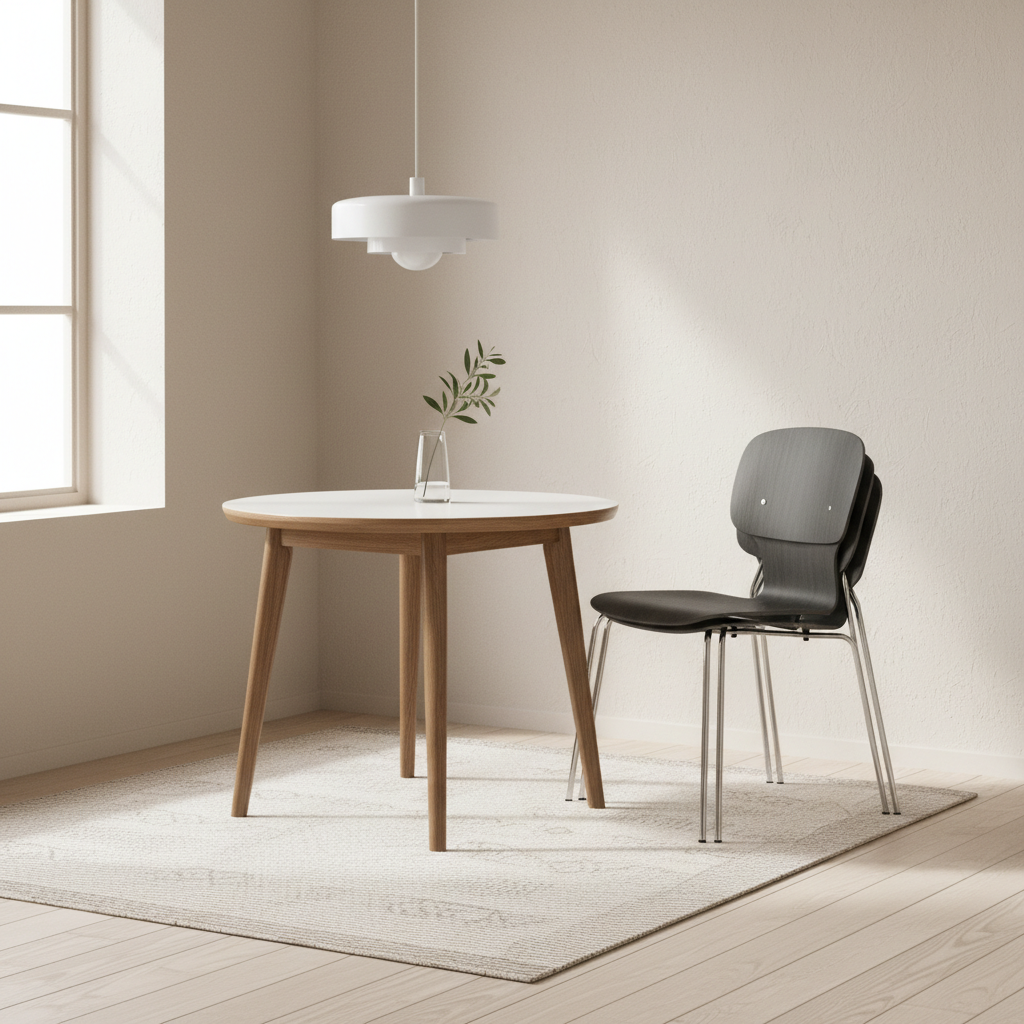
What “small space” really means for dining chairs
In practice, small-space dining problems usually come from one of these: tight clearance behind chairs, narrow pathways, or no dedicated storage closet for extra seating. So your “best” option depends on which constraint is loudest in your room.
- Clearance behind the chair: If you have less than about 30 inches behind seated diners, consider slimmer chair backs and armless designs.
- Walkway pinch points: If a chair blocks a kitchen run, prioritize a smaller footprint and a chair that slides in smoothly without snagging.
- No storage zone: If the stack will live in the room, aesthetics matter, and so does stack stability.
According to ADA National Network, accessible routes in homes and public spaces commonly reference a clear width of around 36 inches. You may not be building to ADA standards at home, but it’s a useful mental benchmark when deciding whether chairs can sit out without turning your dining area into an obstacle course.
Key buying criteria (the stuff that makes or breaks it)
Most people focus on “will it stack,” then regret it when the chairs are wobbly, scratch floors, or feel cramped at the table. Here are the decision points that tend to matter more in small homes.
1) Footprint and seat size
A compact chair still needs to fit an adult comfortably. Watch for ultra-narrow seats that look cute online but feel tight in real life, especially for longer dinners.
- Look for a reasonable seat width while keeping the base slim.
- If your table is small (or round), a smaller chair footprint helps prevent constant bumping.
2) Stack height and stack count
Some chairs stack 6–10 high, others only 2–4 without feeling unstable. Neither is “wrong,” it just changes where and how you store them. If your plan is “stack them in a corner,” stability matters more than maximum stack count.
3) Weight and handling
Light chairs are easier to move, but overly light can feel flimsy. A good sign is when the chair feels balanced and doesn’t twist when you lift it by the back.
4) Floor friendliness and noise
If you rent, you’ll care about scuffs. If you have downstairs neighbors, you’ll care about noise. Felt pads help, but leg shape and material matter too.
5) Comfort for real meals
“Dining chair comfort” is often about back angle and seat edge, not just padding. Many stackable café-style seats are fine for 20 minutes and annoying at 90. If you host, you’ll notice.
Types of stackable dining chairs, with pros and trade-offs
Instead of chasing one “perfect” chair, it’s usually easier to pick the type that matches your daily use. Here’s how the common categories behave in small spaces.
Plastic/resin (often molded)
- Best for: maximum stackability, wipe-clean living, kitchens with kids
- Watch for: slippery seats, scratch-prone finishes, flex in the backrest
Metal café-style
- Best for: narrow footprints, tough finishes, modern/industrial rooms
- Watch for: cold feel, noise on hard floors, comfort without a cushion
Wood stackables (bentwood, simple frames)
- Best for: warmer look, classic dining vibe, blends with many tables
- Watch for: denting, finish wear where chairs contact in a stack
Upholstered or padded stackables
- Best for: comfort-first households, longer dinners, WFH at the dining table
- Watch for: lower stack count, fabric wear, stains, bulkier silhouettes
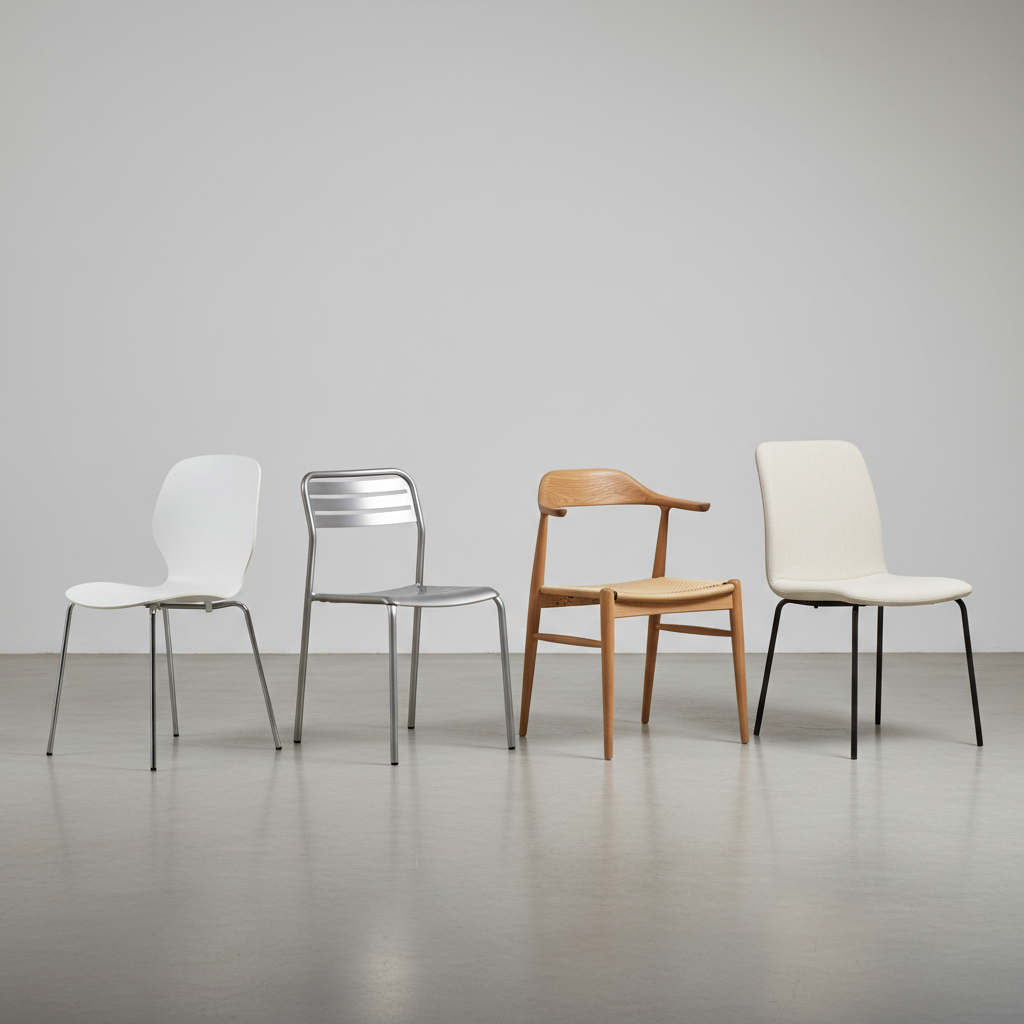
Quick self-check: which chair style fits your space?
If you answer these quickly, you’ll avoid 80% of “returned the chairs” stories.
- I need extra chairs only for guests → prioritize high stack count and easy carrying, plastic or metal often works.
- We eat at the table daily → prioritize comfort and slide-in ease, wood or lightly padded designs can feel better.
- The dining area is also a hallway → go armless, slim back, smaller footprint, and consider chairs that tuck fully under the table.
- I’m renting and worry about floors → look for smoother leg ends, budget for felt pads, avoid sharp metal feet.
- I have kids or messy cooking → wipeable surfaces, fewer seams, and darker tones or textures that hide marks.
If your answers are split, it’s normal to mix: two “daily driver” chairs plus two stackable guest chairs stored away. Many small homes end up happier with that hybrid setup.
A practical comparison table (what to prioritize)
Use this as a shortcut when you’re browsing product pages and getting overwhelmed by photos.
| Scenario | Top priority | Good chair traits | Common regret |
|---|---|---|---|
| Studio / open-plan | Visual lightness | Thin profile, neutral color, tidy stack | Bulky backs that “crowd” the room |
| Narrow walkway near table | Clearance | Armless, compact footprint, slides under table | Wide seats that block traffic |
| Frequent hosting | Comfort + stability | Supportive back, stable legs, moderate stack count | Hard seats that guests avoid |
| Kids / easy cleanup | Durability | Wipe-clean finish, fewer seams, sturdy build | Fabric that stains easily |
| Rental with hardwood | Floor protection | Smooth feet, felt pads, less scraping | Noisy dragging, scuffs |
How to measure and shop online without guessing
When people say they bought the “best stackable dining chairs for small spaces” and still hate them, it’s usually because one measurement was missed. This is the short list worth doing before you click Buy.
- Measure table height and apron clearance: some chairs with thicker seats or higher arms won’t tuck in.
- Measure chair pull-out zone: from table edge to wall or island, and be honest about how people move.
- Check stack height vs your storage spot: under a console table, beside a bookcase, inside a closet, or in a corner.
- Confirm weight capacity and materials: product pages vary in clarity, if it’s vague, ask the seller.
- Look for floor-contact details: plastic caps, rubber feet, or flat glides are usually easier on floors.
One more thing: if you plan to stack on a daily basis, read reviews specifically mentioning stacking stability, not just comfort. People often review “sitting,” fewer talk about “stacking every week.”
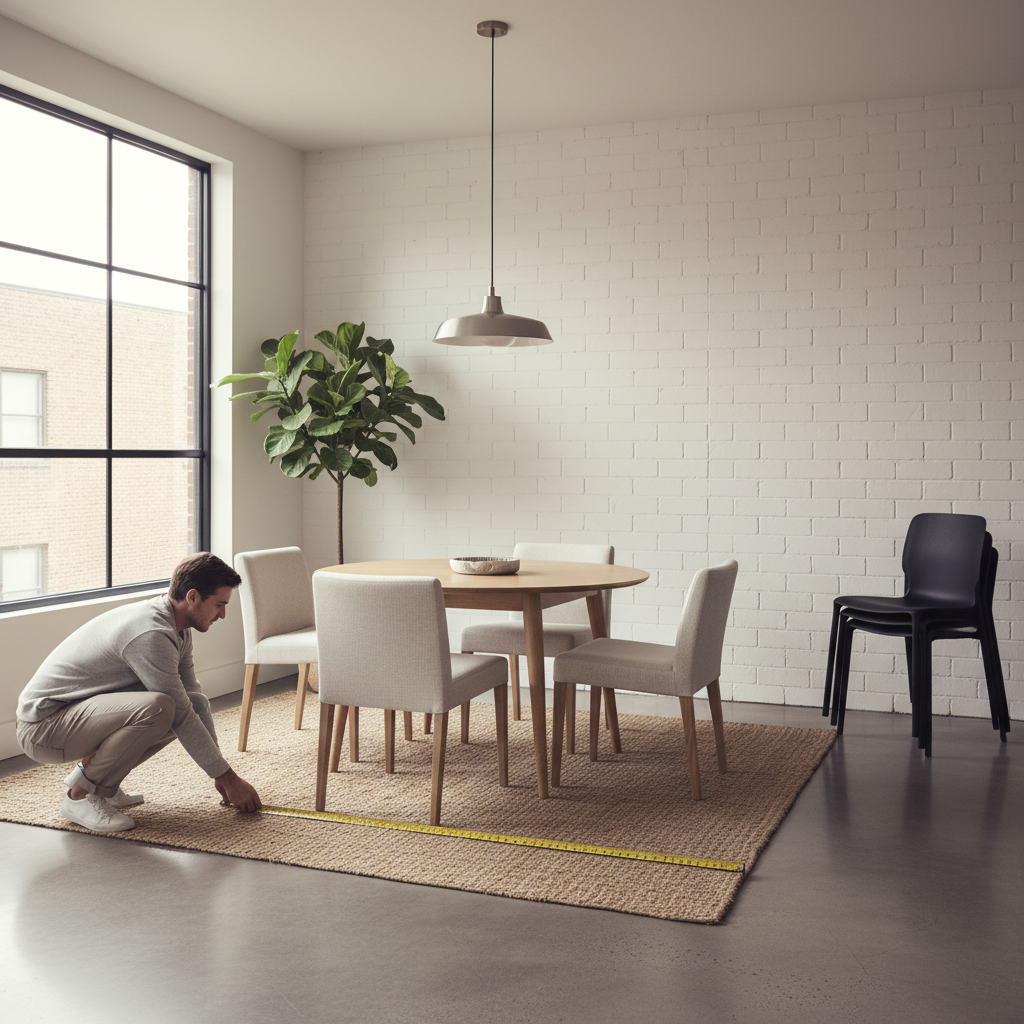
Setup tips: making stackable chairs work in a small home
Even great chairs feel annoying if storage is awkward. These small adjustments make stacking feel “normal,” not like you’re hauling event furniture.
Store the stack where it’s easiest to grab
A closet is ideal, but many homes don’t have that. A corner near the dining area, a wall behind a plant, or beside a sideboard often works better than “out of sight” storage that’s far away.
Protect contact points
- Add felt pads under feet for hardwood and tile.
- If the chairs rub when stacked, use thin felt dots at likely touch points.
- If you have rugs, test dragging resistance, some leg shapes snag more than you’d expect.
Keep a simple “guest kit”
If you host occasionally, store chair pads, a small table extension leaf, or placemats together. The goal is fewer scattered items, so setting up doesn’t feel like a project.
Common mistakes (and what to do instead)
- Buying for looks only: pretty chairs that don’t tuck under the table will constantly sit half-out, making the space feel tighter.
- Ignoring armrest width: arms can collide with table edges or prevent the chair from sliding in, even if the seat width is fine.
- Assuming “stackable” means safe at any height: some designs technically stack but get unstable beyond a few chairs, especially on uneven floors.
- Skipping floor protection: small scratches happen fast when chairs move daily, felt pads are cheap insurance.
- Overbuying chairs: four chairs plus a bench, or two daily chairs plus two stackables, often fits small rooms better than forcing six matching chairs.
If you’re dealing with a medical or mobility concern, like needing specific seat height or arm support, it may be worth checking guidance with an occupational therapist or another qualified professional before you commit, especially if the chair will be used daily.
Key takeaways (so you can choose fast)
- Measure clearance behind the chair and under the table, this prevents most fit problems.
- Pick the chair type based on daily use vs guest use, comfort and stack count rarely peak at the same time.
- Stability beats stack height for most apartments, a tidy, safe stack is better than an awkward tower.
- Plan the storage spot before purchasing, not after the boxes arrive.
Conclusion: the “best” chair is the one you’ll actually store and use
The best stackable dining chairs for small spaces usually come down to a realistic trade: a slightly simpler silhouette and fewer bulky features, in exchange for a dining area that stays open and flexible. If you only do two things, measure your clearance and decide whether you’re optimizing for everyday comfort or occasional hosting, your shortlist gets much clearer.
If you’re shopping this week, pick one storage spot, write down your max chair width and your max stack height, then filter your options around those numbers, it’s a calmer way to buy.
FAQ
What is a good seat height for stackable dining chairs?
Many dining chairs land around 17–19 inches in seat height, which works with typical dining tables. If your table is counter-height or unusually low, confirm seat height and how much legroom you’ll have under the apron.
Are stackable dining chairs comfortable enough for long dinners?
Some are, many aren’t. Comfort depends more on back support, seat edge shape, and posture than on whether the chair stacks, so look for reviews mentioning longer meals, not just quick seating.
How many chairs should I stack for safety?
Follow the manufacturer’s guidance when available. If it’s missing, a cautious approach is stacking only as high as the chairs feel stable when gently nudged, and keeping stacks on a flat surface away from kids or high-traffic paths.
Do stackable chairs damage hardwood floors?
They can, especially if the feet are hard plastic or metal and the chair gets dragged. Felt pads or soft glides usually reduce scuffs, but you may still want a rug in heavy-use zones.
What materials are easiest to clean in a small kitchen-dining area?
Molded plastic and sealed finishes are typically easiest for quick wipe-downs. Upholstery can work if you choose stain-resistant fabrics and you’re okay with occasional spot cleaning.
Can I mix stackable chairs with non-stackable ones?
Yes, and it often solves the real problem. Two comfortable daily chairs plus a couple of stackable guest chairs gives you flexibility without forcing every seat to be a compromise.
Should I buy armless stackable chairs for a tight dining nook?
In many small nooks, armless is the safer bet because it improves slide-in clearance and keeps visual bulk down. If you want arms for comfort, check width carefully and confirm they fit under the table edge if that’s your goal.
If you’re trying to outfit a tight dining area and want a more “done” plan, including how many chairs to buy, where to store them, and what dimensions to target, it can help to map your measurements to a short, realistic shortlist instead of scrolling endless product pages.