
how to clean porcelain sinks shine is really about two things: removing what’s dulling the surface (soap scum, minerals, rust) and doing it without scratching the porcelain glaze.
If your sink looks “clean” but still feels rough, shows gray marks, or has a yellow ring around the drain, you’re not alone, porcelain can hide residue that normal dish soap won’t touch. The good news is you usually don’t need harsh chemicals or a full refinish, you need the right method for the stain you have.
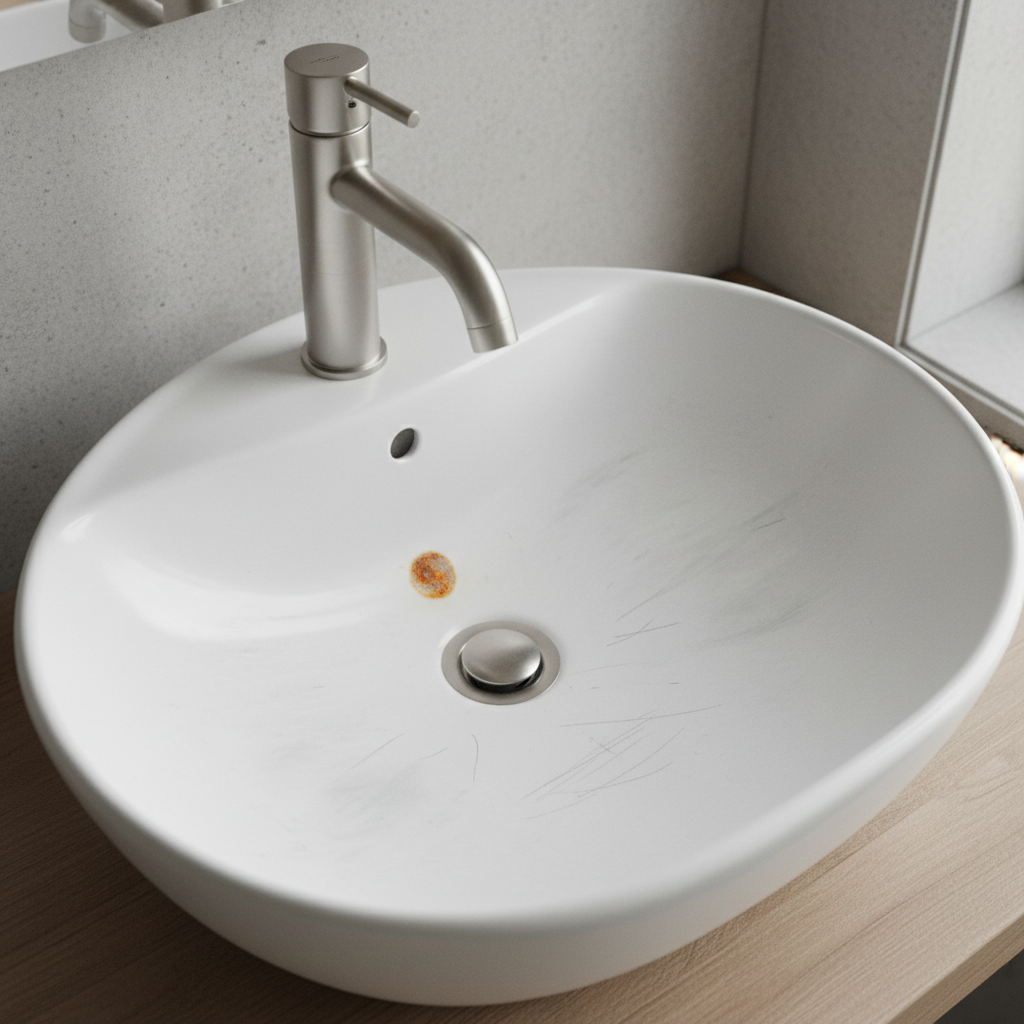
Below is a practical way to diagnose what you’re seeing, choose a safe cleaner, and get back that bright look, plus a few small habits that keep the shine longer so you’re not deep-cleaning every weekend.
What makes a porcelain sink look dull or stained
Porcelain sinks are typically porcelain enamel over a base material, the glossy glaze is tough, but it can still hold onto residue and it can still scratch if you use the wrong abrasive.
Most “not shining” complaints fall into a few buckets:
- Soap scum and body oils: common in bathrooms, leaves a hazy film that looks like dullness.
- Hard-water mineral buildup: chalky white or gray deposits, often near the faucet and drain.
- Rust stains: orange-brown spots or streaks, sometimes from metal cans, shaving cream cans, or old plumbing.
- Metal marks: gray lines from utensils, tools, or cookware, these are often transfer marks, not “damage.”
- Hair dye, cosmetics, cleaners: patches of discoloration, sometimes more stubborn.
One quick reality check: if you see fine web-like cracks (crazing) across the basin, cleaning can improve appearance, but it may not restore a uniform shine because the surface itself has changed.
Quick diagnosis checklist (so you don’t over-scrub)
Before you grab the strongest product under the sink, take 30 seconds to narrow the cause. It saves time and it protects the finish.
- Does the surface feel rough when dry? Often mineral scale or soap scum buildup.
- Do stains lighten when wet but reappear when dry? Common with soap film and hard-water residue.
- Orange/brown spot near drain or overflow? Likely rust or iron in water.
- Gray streaks that look like pencil marks? Often metal transfer, usually removable without heavy abrasion.
- Color stain (pink, blue, brown) after a product spill? Dye or chemical staining, spot-treat instead of scrubbing the whole sink.
Key point: If you’re unsure, start with the least aggressive method, you can always step up, but you can’t “un-scratch” a dulled glaze.
Tools and cleaners that are usually safe (and what to avoid)
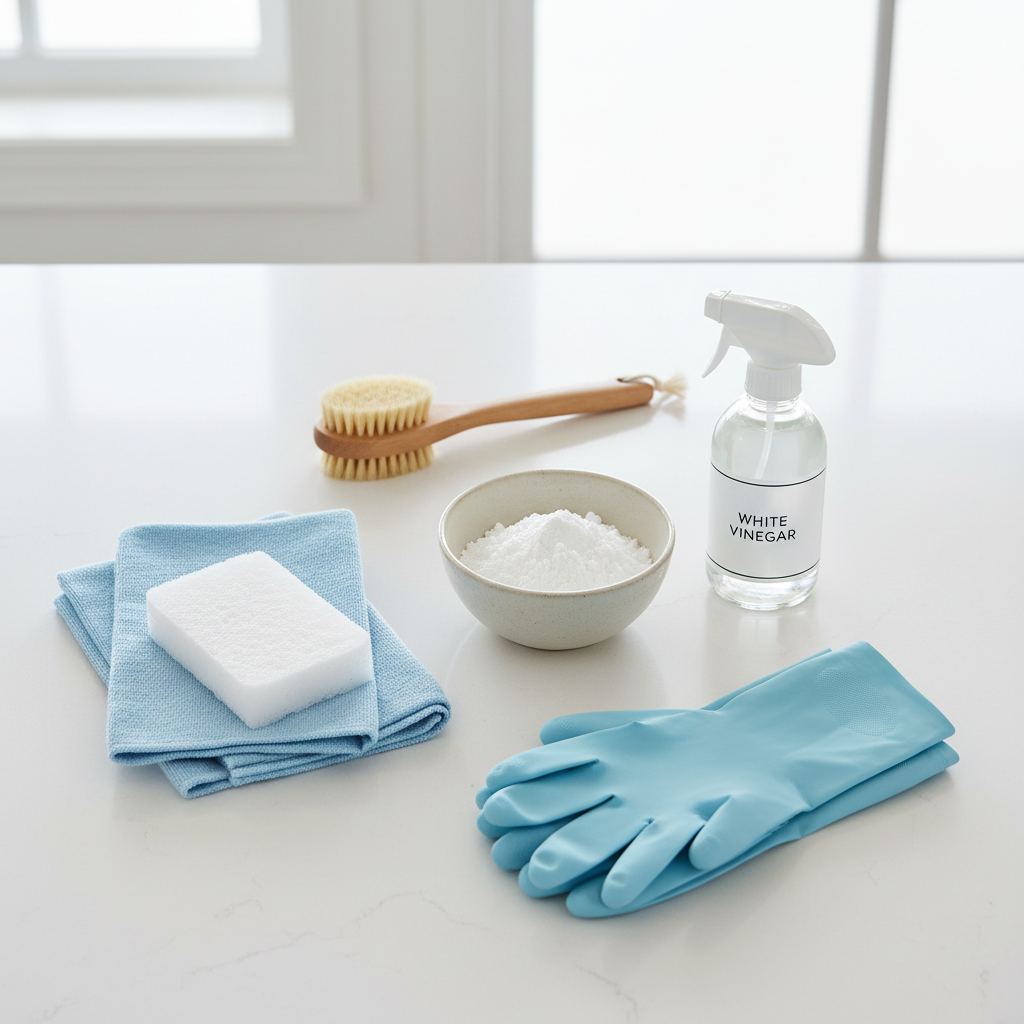
You don’t need a long shopping list. A few basics cover most situations, and they’re gentler on porcelain.
What to use
- Microfiber cloths for wiping and buffing dry.
- Non-scratch sponge (no heavy-duty scouring pad).
- Baking soda as a mild abrasive paste for film and light stains.
- Dish soap for oils and routine cleaning.
- White vinegar for mineral deposits (use with ventilation, and rinse well).
- Hydrogen peroxide (3%) for some organic stains, used cautiously.
- Bar Keepers Friend (Soft Cleanser) is commonly used for porcelain, follow the label and test a small area first.
What to avoid (common shine-killers)
- Steel wool or very abrasive pads, they can scratch the glaze.
- Abrasive powders used aggressively, especially on older porcelain.
- Mixing bleach and ammonia or mixing cleaners “to make it stronger.” According to CDC guidance, mixing certain household cleaners can release dangerous gases, if you’re using bleach, keep it solo and ventilate well.
- Letting acidic cleaners sit too long on metal drains/fittings, it can discolor or pit the metal.
If you have a vintage or already-crazed sink, lean even more conservative, light pressure, short dwell time, and lots of rinsing.
Step-by-step: daily clean to bring back basic shine
This is the “baseline” method that solves a lot of dullness. If you’re trying to how to clean porcelain sinks shine without overthinking, start here.
- Rinse the sink with warm water to remove loose grit.
- Add a few drops of dish soap to a damp non-scratch sponge, wipe the full basin, especially around the drain and overflow.
- Rinse thoroughly.
- Dry with a microfiber cloth, this is where the shine shows up, air-drying often leaves minerals behind.
Small but real upgrade: After drying, buff in small circles with a clean microfiber cloth for 20–30 seconds, it makes the surface look noticeably brighter, especially under bathroom lighting.
Targeted stain removal (choose your situation)
This is where most people go wrong, they scrub everything the same way. Pick the stain, then use the matching approach.
Soap scum haze
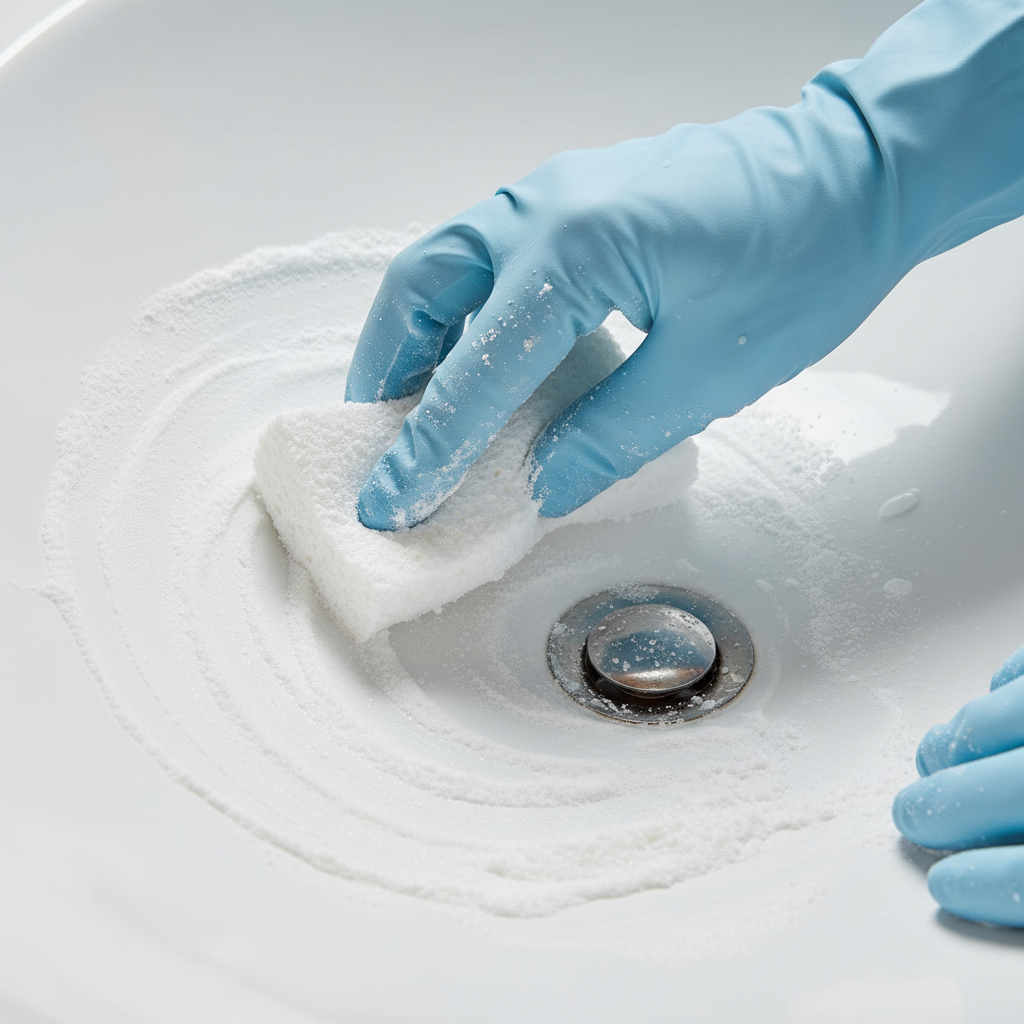
- Make a paste of baking soda + a little water.
- Spread a thin layer on the dull areas, let it sit about 5–10 minutes.
- Gently rub with a damp non-scratch sponge, then rinse and dry.
If your water is hard, you may need a second pass, but keep pressure light, let the paste do the work.
Hard-water mineral deposits (white/gray crust)
- Soak paper towels in white vinegar, lay them over the mineral ring (faucet base, drain area).
- Let sit 10–20 minutes, keep it damp, then wipe and rinse.
- Dry completely so new minerals don’t re-deposit.
According to EPA consumer guidance, acids like vinegar can help dissolve mineral scale in many household situations, but materials vary, so test a small hidden area first and avoid prolonged contact with nearby metal parts.
Rust stains (orange/brown spots)
- Try a gentle oxalic-acid cleaner made for sinks (often labeled for rust), following label directions.
- Apply, wait briefly, then rinse very well.
- Repeat once if needed rather than scrubbing harder.
If rust keeps returning in the same spot, you may be dealing with a water or hardware issue, not just a surface stain.
Metal marks (gray streaks)
- Start with baking soda paste and a soft cloth, rub lightly.
- If that’s slow, a non-scratch cream cleanser can help, rinse and dry.
These marks often lift without aggressive abrasion, if you jump straight to a harsh pad, you risk swapping a removable mark for permanent scratching.
Yellowing around the drain
- Clean oils first with dish soap, rinse.
- Use baking soda paste, let sit 10 minutes, then wipe.
- If the ring persists, spot-treat with a porcelain-safe cleaner and rinse thoroughly.
Some drains have older sealant or worn glaze nearby, keep your approach gentle and focus on multiple short treatments.
A simple “what to use” table (by stain type)
When you’re standing in the aisle (or staring at your cabinet), this is the quick match-up that usually works.
| Problem you see | What it usually is | Try this first | Avoid |
|---|---|---|---|
| Dull film that comes back after rinsing | Soap scum / oils | Dish soap, then baking soda paste | Heavy scouring pads |
| Chalky white/gray crust | Mineral scale | Vinegar soak (short dwell), rinse, dry | Long vinegar contact on metal |
| Orange/brown spots | Rust | Porcelain-safe rust remover per label | Steel wool |
| Gray streaks | Metal transfer | Baking soda paste, gentle rub | Abrasive powders used hard |
| Random colored stain | Dye / cosmetic residue | Spot-treat with mild cleanser, test area | Mixing cleaners |
Keeping the shine: a realistic routine that sticks
Most people don’t need a weekly “full reset.” What keeps porcelain bright is preventing buildup from curing onto the surface.
- Daily (30 seconds): quick rinse, wipe, then dry with a microfiber cloth.
- 2–3 times/week: dish soap wipe-down, rinse, dry.
- Weekly (or as needed): baking soda paste for haze, vinegar only where mineral rings show.
If you have hard water, drying matters more than any “miracle” product. It sounds boring, but it’s the difference between shine that lasts and a sink that looks tired again in two days.
Common mistakes that make porcelain look worse
- Scrubbing harder instead of switching products: more pressure often means micro-scratches, which grab grime faster.
- Letting cleaners sit too long: dwell time helps, but extended soaking can affect nearby metal and seals.
- Skipping the final dry: water spots and minerals dull the finish even after a “successful” clean.
- Using “magic eraser” style melamine too often: it’s a micro-abrasive, occasional use may be fine, but frequent use can slowly reduce gloss on some surfaces.
Key takeaways: match the cleaner to the stain, keep abrasives mild, and dry the sink if you want that bright look to stay.
When it’s time to call a pro (or consider refinishing)
Cleaning handles most dullness, but not every sink can be brought back with elbow grease.
- If you see widespread crazing and stains living inside the cracks, refinishing may be the only way to change the look.
- If rust returns quickly, consider a plumbing inspection, especially in older homes.
- If you suspect a product damaged the glaze, stop experimenting and ask a refinishing specialist what’s safe for your finish.
For any strong chemical use or ventilation concerns, especially in small bathrooms, it’s reasonable to be cautious and consult a professional if you’re unsure.
Conclusion: get the shine back without damaging the glaze
Most of the time, getting a porcelain sink bright again comes down to a gentle deep clean that removes film, then targeted stain treatment where needed, and a simple dry-and-buff habit that keeps minerals from stealing the shine.
If you want one practical next step, do this tonight: dish soap wipe-down, rinse, then dry with microfiber, tomorrow, hit any remaining haze with a baking soda paste for 10 minutes and rinse well.
FAQ
How do I make porcelain sinks shine without scratching?
Use a non-scratch sponge, mild cleaners (dish soap, baking soda paste), and light pressure, then dry and buff with microfiber. The buffing step often matters more than people expect.
Is vinegar safe on porcelain sinks?
In many cases, yes for mineral deposits, but keep the dwell time reasonable, rinse thoroughly, and avoid letting vinegar sit on metal drains or fixtures for long. Test a small area if the sink is older.
Can I use bleach to whiten a porcelain sink?
Bleach can help with some stains, but it’s not a go-to for shine, and it needs good ventilation. Never mix it with other cleaners, and follow the product label, if irritation or strong odors happen, stop and air out the room.
Why does my porcelain sink look dull right after I clean it?
Usually it’s leftover film (soap scum) or minerals drying on the surface. Rinsing longer and drying with a towel instead of air-drying fixes this more often than switching products.
How do I remove gray metal marks from a porcelain sink?
Try a baking soda paste with a soft cloth or non-scratch sponge, using gentle rubbing. Those marks are often metal transfer, not a permanent stain, so patience beats aggressive scouring.
What’s the best cleaner for rust stains in a porcelain sink?
A porcelain-safe rust remover used exactly as directed is usually more effective than scrubbing. If rust keeps coming back, look for the source, such as a corroded drain part or iron in water.
How often should I deep clean a porcelain sink?
It depends on water hardness and usage, but many households do well with a quick wipe and dry most days and a deeper clean weekly or when haze appears. If you dry the sink after use, you may stretch the deep-clean schedule.
If you’re trying to keep multiple sinks looking bright with less trial-and-error, it can help to build a small “sink kit” with microfiber, a non-scratch sponge, baking soda, and one porcelain-safe cleanser, so you reach for the right tool fast instead of improvising with whatever’s closest.