
Home comfort is less about buying new things and more about removing small frictions that make your space feel “off”, harsh lighting, scratchy throws, cluttered surfaces, or a room that never quite supports how you actually relax.
If your house looks fine on paper but rarely feels cozy, you’re not alone. A lot of American homes are set up for storage, screens, and speed, not for unwinding. The good news is that comfort is surprisingly “tunable”, you can change the atmosphere room by room, with decisions that cost more attention than money.
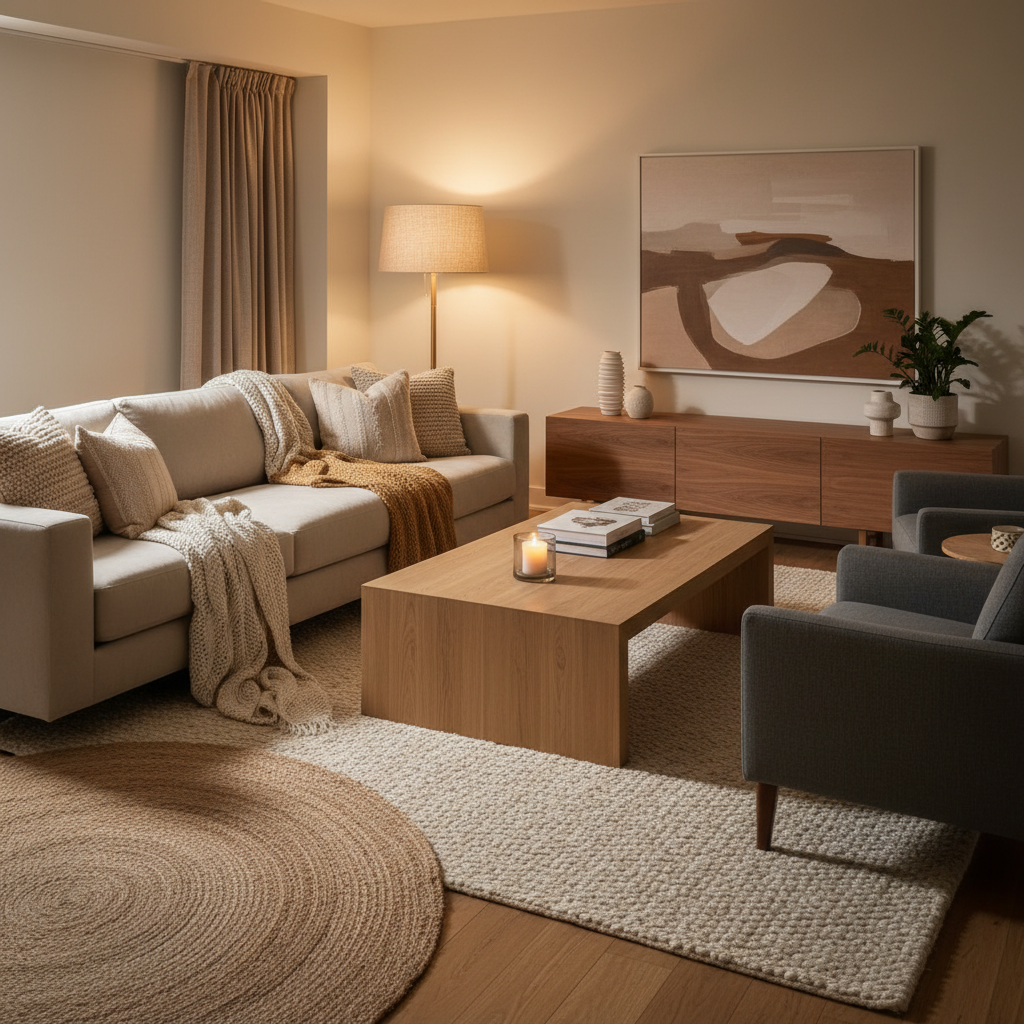
This guide focuses on practical moves: soft lighting for home, plush textiles for interiors, simple layout tweaks, and a few habits that make year-round home coziness feel natural. I’ll also flag common mistakes, because comfort is easy to overdo in ways that end up feeling cluttered or dim.
What “home comfort” really comes from (it’s usually three things)
When people talk about a cozy home atmosphere, they’re often responding to three underlying factors: light, touch, and flow. If one is off, the whole room feels slightly stressful even if the decor is nice.
- Light: Bright overhead bulbs, cool color temperature, glare off screens, or uneven lighting that leaves corners feeling flat.
- Touch: Fabrics that don’t feel good on skin, seating that looks stylish but doesn’t support your body, rugs that slide, bedding that traps heat.
- Flow: The “path” through the room fights your habits, cords in the way, nowhere to set a mug, the remote always missing, a chair facing the wrong direction.
According to the American Lighting Association, layering light sources is a standard approach for comfortable interiors, because it helps you balance function and mood without relying on one harsh overhead fixture.
A quick comfort audit (10 minutes, no tools)
Before shopping, run a fast check. It tells you which indoor comfort essentials will matter most in your home, and which upgrades can wait.
- At night, do you avoid turning on lights because they feel too bright or “cold”?
- Do you have one seat everyone fights over, while the “nice chair” stays empty?
- Do you feel visually crowded in the living room, even after tidying?
- Is there a place for small daily items, keys, chargers, mail, without piling up?
- Do bedroom sheets feel wrong, too hot, too slick, too scratchy?
- Do you feel relaxed in silence, or does the space feel echoey and exposed?
If you answered “yes” to two or more, you don’t need a full makeover. You need targeted changes that improve comfort where your routine actually happens.
Lighting that instantly changes the vibe (without rewiring)
Soft lighting for home is one of the fastest home ambience improvement wins, and it’s also where people accidentally sabotage coziness. Too dim feels gloomy, too bright feels clinical, the sweet spot is “enough light, from more than one place.”
Easy lighting moves that tend to work
- Use 2–3 light sources per main room: a floor lamp, a table lamp, and optional accent light.
- Choose warm bulbs when you want comfort (many households prefer 2700K–3000K for living spaces, but taste varies).
- Add a dimmer where possible, plug-in dimmers can help for lamps, hardwired dimmers may require an electrician.
- Stop aiming light at your eyes: bounce light off walls, use shades, and avoid bare bulbs in line of sight.
Safety note: if you’re swapping fixtures or adding dimmers to hardwired circuits, it’s usually smarter to consult a licensed electrician, especially in older homes.
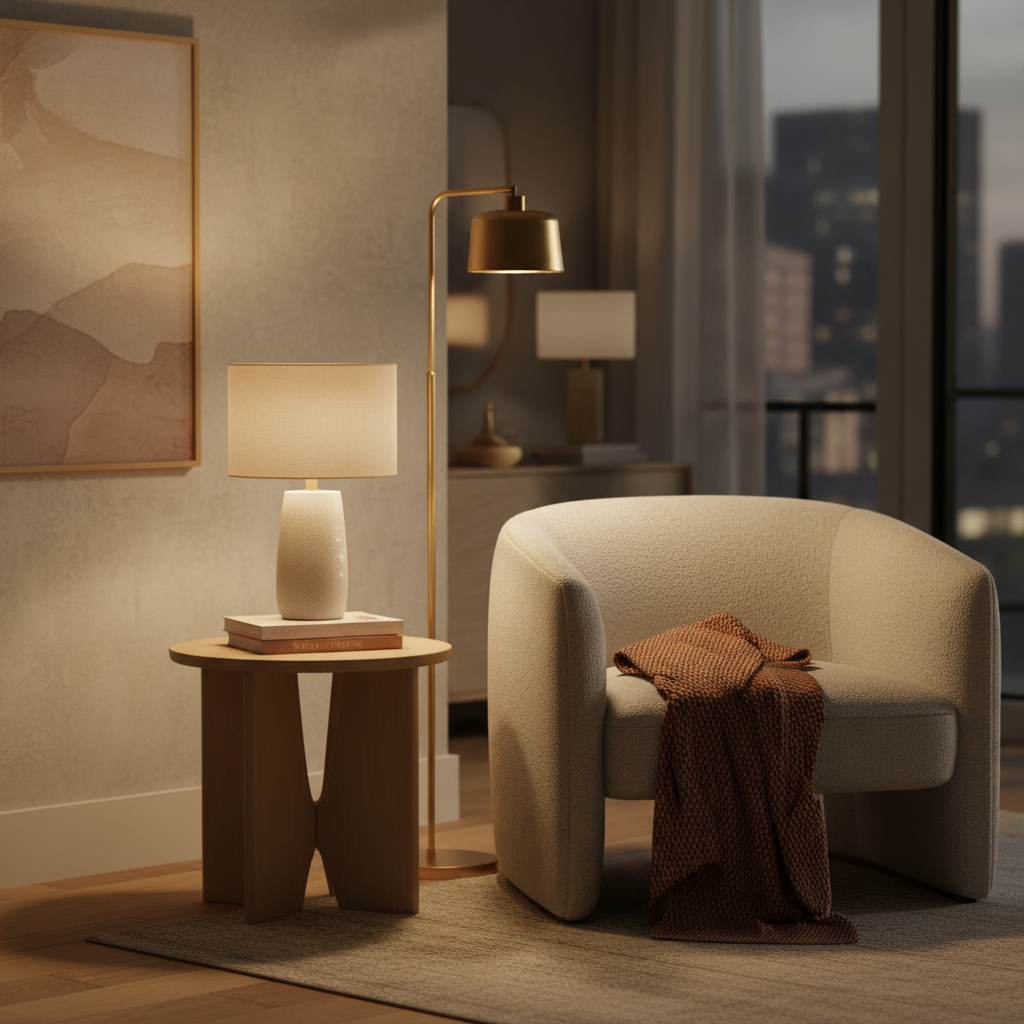
Key takeaway: if your room only feels cozy when every light is off except the TV, you’re missing layers, not “more decor.”
Plush textiles: the quickest way to make a room feel kinder
Plush textiles for interiors do a lot of quiet work: they soften acoustics, add warmth, and make furniture feel more forgiving. But they’re not all equal, some look cozy and feel itchy, others feel great and pill quickly. Aim for a few high-contact upgrades.
High-impact textile upgrades
- A throw you actually use, placed where you sit most, not folded for display.
- Two pillow textures, one structured (for posture), one soft (for lounging).
- A rug that anchors the seating, ideally large enough that at least front legs of main furniture sit on it.
- Window treatments that soften the room, even simple curtains can reduce “hard edges.”
For year-round home coziness, think in layers you can remove. A lightweight throw in spring, a thicker option in winter, same idea for bedding.
Comfortable living room ideas that match how you really relax
Most living rooms are arranged for how they “should” be used. Relaxation-focused home design flips that: your layout should support your default evening, not your imaginary dinner party.
Layout tweaks that usually feel better fast
- Create one obvious “landing spot”: a tray or bowl for remotes, coasters, and chargers, so surfaces don’t become random piles.
- Move seating closer if conversation feels strained, big gaps read as formal, not cozy.
- Add a small side table within arm’s reach, comfort drops when you can’t set a drink down.
- Reduce visual noise: one closed basket beats five small items on display.
According to the American Society of Interior Designers (ASID), designing for occupant well-being is a core goal of the profession, which often translates into choices that reduce stressors like cluttered pathways, poor lighting, and uncomfortable furniture placement.
Comfortable bedroom setup: small changes that help you unwind
A comfortable bedroom setup is where home comfort becomes real, because sleep and recovery are not “nice to have.” You don’t need hotel styling, you need a room that signals calm.
Bedroom comfort priorities (in order that often makes sense)
- Light control: blackout curtains or a sleep mask if streetlights hit your face.
- Temperature and airflow: breathable bedding and a fan can help, but comfort varies by person.
- Bedding feel: choose based on skin feel and heat retention, not thread-count hype.
- Nightstand basics: water, a lamp you can dim, and a place to put your phone that’s not your pillow.
If snoring, insomnia, or frequent waking is part of the picture, it may be worth talking with a healthcare professional, home tweaks help many people, but they’re not a substitute for medical advice.
Warm decor accents and scent: the “finishing layer” that shouldn’t overwhelm
Warm home decor accents work best when they’re subtle: wood tones, soft brass, terracotta, muted art, or a single warm-colored pillow that ties the palette together. This is also where people overspend, because accents are fun to buy.
Try this restraint rule
- Pick one accent family: warm metals, warm woods, or warm clay tones, mixing all three can read busy.
- Repeat it 2–3 times across the room, that’s usually enough to feel intentional.
- Keep surfaces breathable: leave some empty space so the room can “rest.”
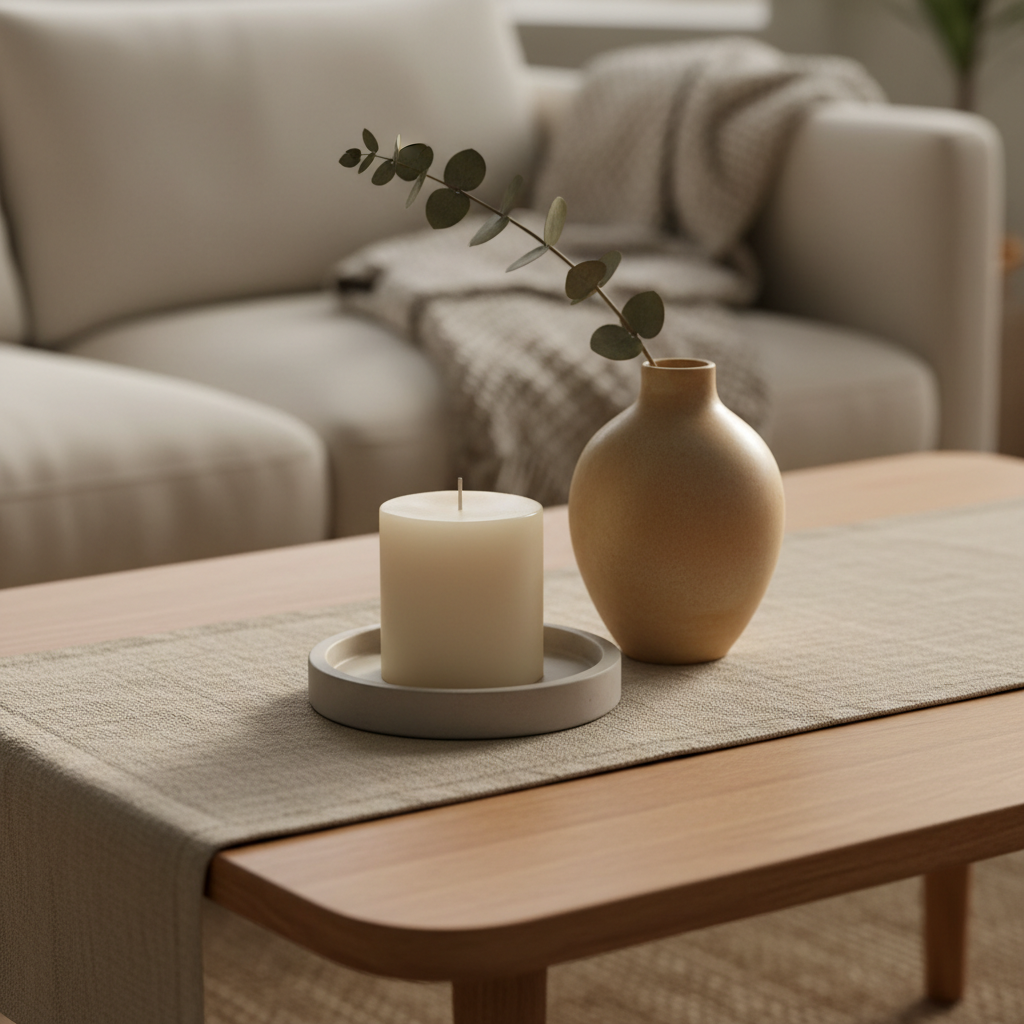
Scent can support a cozy home atmosphere, but it’s personal and sometimes sensitive. If you use candles or diffusers, use them moderately, follow manufacturer guidance, and consider ventilation, especially with pets, kids, or allergies.
Year-round home coziness: what to change by season (simple table)
If you want comfort that lasts, build a “base layer” and rotate just a few items. That keeps your home from feeling stale in summer or heavy in spring.
| Season | Swap or Add | Why it helps |
|---|---|---|
| Winter | Thicker throw, warmer bulb tones, draft stopper | Boosts warmth and reduces cold “leaks” |
| Spring | Lighter curtains, breathable bedding, one fresh accent color | Makes rooms feel airy without losing comfort |
| Summer | Cooling sheets, fan optimization, fewer textiles on seating | Comfort without visual heaviness |
| Fall | Richer textures, warm decor accents, layered lighting schedule | Brings back “nesting” energy as nights get longer |
Common mistakes that sabotage comfort (even in nice homes)
These show up all the time, and they’re fixable. The trick is admitting what you avoid using.
- One overhead light for everything, it’s efficient, but it rarely feels relaxing.
- Buying decor before fixing function, baskets, tables, and lighting usually beat wall art early on.
- Too many small items, lots of “cute” objects can create low-grade stress.
- Ignoring sound, hard surfaces plus high ceilings can feel echoey, rugs and curtains help.
- Comfort that’s high-maintenance, if it takes effort, you won’t keep doing it on busy days.
Key takeaway: home comfort sticks when your upgrades reduce decisions, not add chores.
When it’s time to call in help (and what to ask for)
If you’ve tried the basics and the space still feels wrong, you may be dealing with issues that are hard to “pillow” your way out of, lighting layout, persistent odors, moisture, or furniture scale problems. In those cases, a little professional input saves time.
- Electrician: flickering lights, adding dimmers, new fixtures, overloaded outlets.
- HVAC technician: rooms that never feel comfortable, uneven temperatures, airflow concerns.
- Interior designer (hourly consult): layout, lighting plan, choosing a cohesive palette without overbuying.
- Health professional: ongoing sleep problems or anxiety that may need more than environmental changes.
Practical 7-day plan (doable, not perfectionist)
If you want a clear start, here’s a simple week that builds comfort quickly without turning into a remodel project.
- Day 1: Run the comfort audit, pick one room to prioritize.
- Day 2: Add or reposition two light sources, aim for warm, layered light.
- Day 3: Upgrade one high-contact textile (throw, rug, or bedding).
- Day 4: Fix one friction point, cords, missing side table, no landing spot.
- Day 5: Edit surfaces, remove half the small items, add one closed basket.
- Day 6: Adjust layout for your real routine, not the “ideal.”
- Day 7: Add one warm accent and a calming evening lighting routine.
By the end of the week, most people feel a noticeable shift, not because the house looks different in photos, but because daily moments feel easier.
Conclusion: make comfort the default, not a special occasion
Home comfort comes from small, repeatable choices: layered light, touch-friendly textiles, a layout that supports rest, and a few warm accents that don’t shout. If you only do two things this week, fix your lighting and upgrade the one spot where you sit most, those changes tend to ripple through everything else.
If you want, pick one room tonight, run the audit, and write down three friction points you’re tired of ignoring. That list is your real roadmap to a cozier home.