
Best led table lamps for study and bedroom come down to two things most people miss, the right brightness for tasks and the right tone for winding down, because one lamp rarely “feels right” in both situations unless it has solid controls.
If you have ever bought a lamp that looked great online but turned out too dim for reading, too harsh at night, or awkward on a small nightstand, you already know why this topic matters, lighting changes how long you can focus, and how quickly your room feels calm.
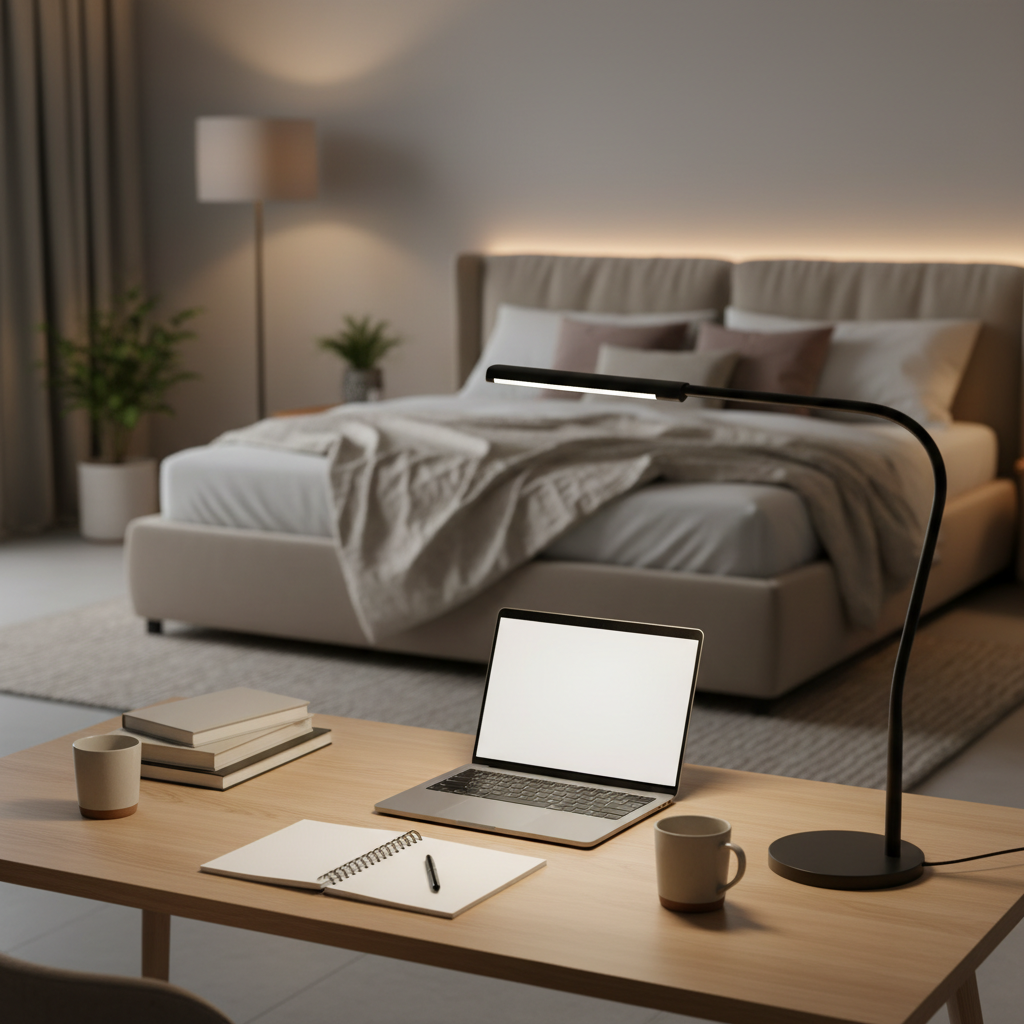
This guide focuses on what actually affects day-to-day comfort, color temperature, glare control, dimming behavior, charging options, and build quality, plus a quick table to narrow your choices without turning it into a spec-sheet contest.
What makes a lamp “good” for both studying and a bedroom
A study lamp has one job, keep your page or keyboard clearly lit without making your eyes work harder. A bedroom lamp adds a second job, keep the room comfortable when you are not doing tasks. That usually means adjustability beats raw brightness.
- Brightness range: For studying, you typically want a lamp that can get genuinely bright, but also dim low enough for bedtime.
- Color temperature control: Cool white often feels clearer for tasks, while warm light feels gentler at night.
- Glare and diffusion: A bare LED point source can feel “spiky,” look for shades, diffusers, or well-designed panels.
- Stable dimming: Some lamps flicker or step between levels, which can be annoying during long sessions.
- Form factor: Clamp, gooseneck, swing-arm, or compact bedside base depends on desk space and nightstand size.
According to the U.S. Department of Energy, LED lighting is highly energy efficient compared with older technologies, which is why LEDs dominate modern desk and bedside lamps, but efficiency alone does not guarantee comfort, optics and controls do most of the “feels good” work.
Quick comparison table: common LED table lamp types
If you are trying to pick fast, start with the shape and control style, then worry about extras like USB ports.
| Type | Best for | What to watch | Typical features |
|---|---|---|---|
| Swing-arm (architect) | Serious studying, crafts | Can look bulky on a nightstand | Precise aiming, strong task lighting |
| Gooseneck desk lamp | Small desks, flexible angles | Cheaper models may droop over time | Simple controls, narrow footprint |
| Touch bedside lamp (shade) | Bedroom comfort, easy on/off | May be too dim for heavy studying | Warm glow, quick dim steps |
| Panel-style LED with CCT | Study + bedroom “one lamp” setup | Some have glare if diffuser is thin | Multiple modes, wide dim range |
| Clamp lamp | Tiny desks, dorm beds | Clamp marks, needs an edge to grip | Max space saving, directional light |
How to choose: the features that matter most (and what to skip)
Most people overpay for “smart” and underpay for comfort. For best led table lamps for study and bedroom, prioritize the things you notice daily, then treat extras as a bonus.
Brightness and beam shape
For studying, you want a light pattern that covers a notebook and keyboard without a hot spot in the middle. Wide, diffused heads tend to feel smoother, while narrow beams work if you want tight control and less spill into the room.
Color temperature (warm to cool)
If you share a room, or you read in bed, a lamp that shifts to warm tones is usually easier on the mood. Cooler modes can feel crisp for studying, but if you use them late at night, some people find it harder to wind down.
Color rendering (how “true” colors look)
If you highlight textbooks, sketch, or match clothing colors, look for better color rendering. Many brands list CRI, and higher is generally better, but in real rooms, shade design and diffusion still affect perceived quality.
Dimming behavior and controls
- Touch controls feel great on a nightstand, but can be finicky if you brush them accidentally.
- Physical knobs/buttons are boring in a good way, reliable when half asleep.
- Stepless dimming gives smoother control than fixed steps.
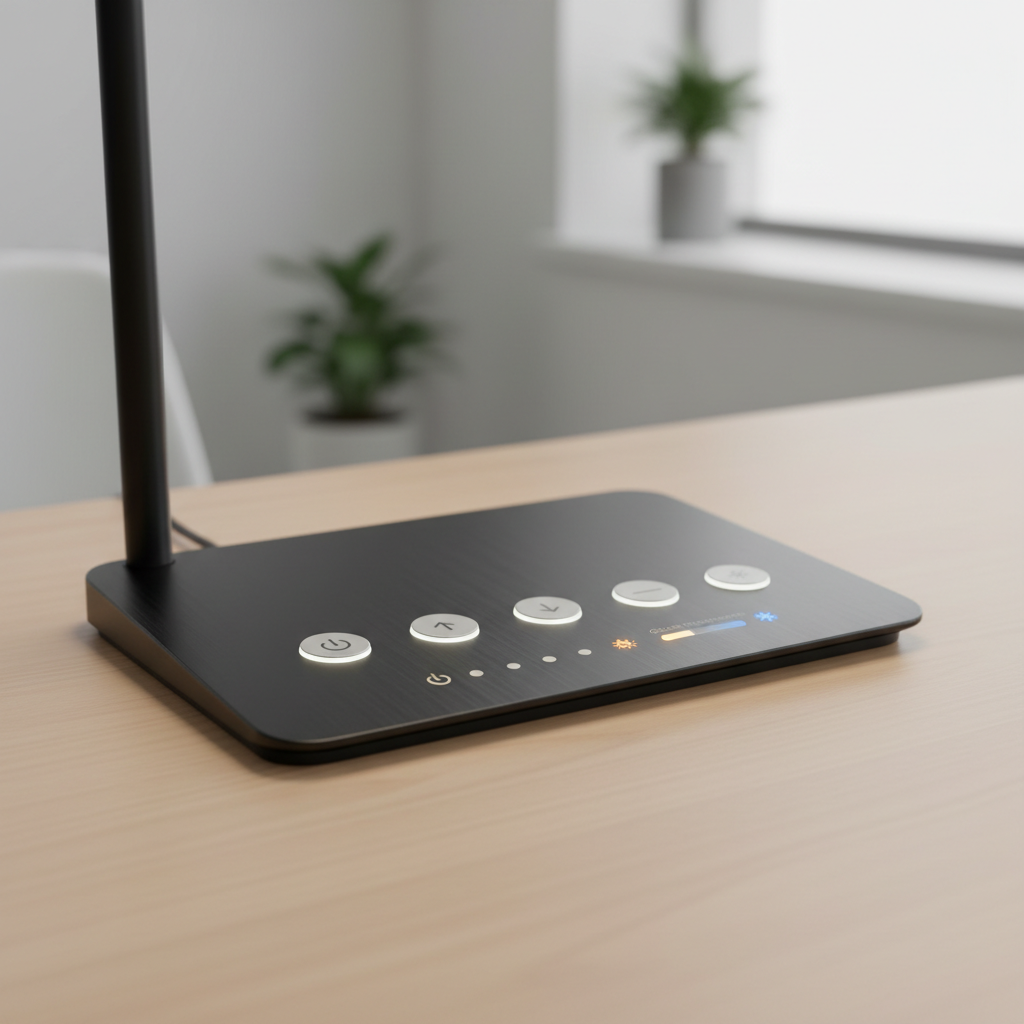
USB charging, outlets, and “extras”
USB-A or USB-C charging can be genuinely useful on a nightstand, but only if it does not introduce buzzing, heat, or awkward cable routing. Wireless charging tops are convenient, though they often force the lamp base to be larger.
Best LED table lamp recommendations by real-life scenario
Instead of pretending there is one winner, here are picks by use case. Use them as a checklist when you shop, even if you choose a different brand.
1) For long study sessions at a desk
- Look for: adjustable arm or gooseneck, wide diffuser, stable base, stepless dimming.
- Nice to have: timer or auto-off, so you are not blasted by light after you doze off.
- Avoid: tiny heads that create a bright circle and dark edges.
2) For a small bedroom nightstand
- Look for: compact base, warm mode, very low minimum brightness.
- Nice to have: touch on/off, USB charging on the side rather than the back.
- Avoid: overly tall lamps that put the light in your eyes when you sit up.
3) For dorm rooms and shared spaces
- Look for: clamp or slim base, directional head, multiple color temperatures.
- Nice to have: memory function that returns to your last setting.
- Avoid: bright spill that lights up a roommate’s side of the room.
4) For reading in bed without waking someone
- Look for: focused beam or adjustable shade, warm tone, low output, easy aiming.
- Nice to have: swivel head so you can light a book, not the whole room.
Self-check: which lamp style fits your room in 2 minutes
If you answer these quickly, you will narrow the field faster than scrolling reviews.
- Desk space: Do you have room for a 6–8 inch base, or do you need a clamp?
- Primary task: Mostly typing, mostly handwriting, or mostly reading in bed?
- Night use: Do you need a true “nightlight” level, or just a dimmer lamp?
- Light sensitivity: Do cool whites feel harsh to you after 9 pm?
- Charging needs: Are you realistically going to use USB-C on the lamp, or do you already have a bedside charger?
- Roommate/partner: Do you need to control spill and glare carefully?
If you check “small desk” and “shared space,” clamp or narrow gooseneck designs usually win. If you check “one lamp for everything,” panel-style lamps with both dimming and color-temperature control tend to feel more balanced.
Setup tips: make any good lamp work better
Even the best led table lamps for study and bedroom can feel wrong if placement is off. A few small tweaks usually fix it.
For studying
- Place the lamp on the opposite side of your writing hand to reduce shadows on the page.
- Aim the head at the task surface, not at your eyes, a slightly downward angle helps.
- Use room light when possible, a single bright lamp in a dark room can feel high-contrast and tiring.
For bedroom use
- Set a warm, low level as your default, so night wake-ups are less jarring.
- Keep the switch easy to reach, if you have to sit up and search, you will hate the lamp.
- Mind reflective surfaces, mirrors and glossy headboards can bounce glare back at you.
Common mistakes and safety notes (worth a quick read)
- Buying “bright” without adjustability: High max brightness sounds good, but if the lamp cannot dim comfortably, bedroom use becomes annoying.
- Ignoring glare: A harsh LED point can feel tiring even at lower brightness, diffusion matters.
- Assuming all LEDs are flicker-free: Many are fine, but if you get headaches, consider a different model, and if symptoms persist, it may be worth discussing with a healthcare professional.
- Overloading outlets: If you rely on built-in USB or AC outlets, keep cables neat and avoid stacking adapters, when in doubt, follow the manufacturer’s guidance.
According to the U.S. Consumer Product Safety Commission, consumers should follow product instructions and use electrical products as intended, especially around bedding and soft furnishings where heat and cord damage can become issues.
Key takeaways (so you can shop with confidence)
- Adjustability beats raw wattage, prioritize dimming and color temperature control.
- Glare control is a comfort feature, diffusers and shades matter as much as specs.
- Match the lamp to your space, clamp for tiny desks, compact base for nightstands, swing-arm for heavy studying.
- Placement changes everything, set it up for your hand dominance and avoid lighting your eyes directly.
Conclusion: picking the right lamp without overthinking it
If your goal is one lamp that does both jobs, focus on a model with a wide dimming range and warm-to-cool color control, then make sure the head design looks comfortable, not glaring. If you are splitting roles, a true task lamp for the desk and a softer bedside lamp often feels more natural.
Pick your top two “must-haves” today, usually dimming behavior and glare control, then compare only lamps that meet them, you will land on a choice that feels good long after the unboxing.
FAQ
- What brightness should I look for in the best LED table lamps for study and bedroom?
For studying, you want enough output to clearly light your work surface, while for bedroom use you also need a very low minimum level, so prioritize a wide dimming range over a single high number. - Is warm light always better for bedrooms?
Warm light usually feels calmer for many people at night, but some still prefer neutral white for reading clarity, a lamp with color temperature adjustment lets you decide based on how your room feels. - Do I need a lamp with CRI 90+ for studying?
Not always, higher CRI can help with color-heavy tasks like art or design, but for general homework, glare control and stable dimming tend to matter more in daily comfort. - Are touch lamps a good idea on a nightstand?
They can be, especially for quick on/off, but if you bump your lamp often or share a small nightstand, physical switches may be less frustrating. - How do I avoid screen glare when using a desk lamp?
Aim the lamp so it lights the desk surface from the side rather than shining toward your monitor, and raise or angle the head to reduce reflections on glossy screens. - Is LED flicker something I should worry about?
Many modern lamps are fine, but if a light makes you uncomfortable or triggers headaches, consider switching models and settings, and consult a professional if you suspect a health issue. - Should I get a lamp with USB-C charging built in?
It is convenient if it replaces a charger you already use, but it should not be the deciding factor, lamp comfort and controls will matter more every day.
If you are trying to outfit a dorm, home office, or a bedroom upgrade and want a short list tailored to your desk size, sleep habits, and budget, a curated shopping plan can save time and reduce returns, especially when you are aiming for one lamp to handle both studying and winding down.