
Best stackable chairs for small dining areas usually come down to three things: a small footprint, easy storage, and comfort that still feels “real dining” instead of a temporary seat. If your table sits close to a wall, you host occasionally, or your dining spot shares space with a kitchen island, the wrong chair can make the whole area feel cramped.
People often focus on looks first, then realize the chair back hits the counter, the legs snag on a rug, or the stack is too heavy to move. A “good” stackable chair should disappear when you want it to, but still feel stable when you’re sitting for an hour.
This guide helps you narrow choices by space measurements, seat comfort, material tradeoffs, and the little details that matter in small rooms, like how stacks slide into a closet and whether the chair scuffs floors.
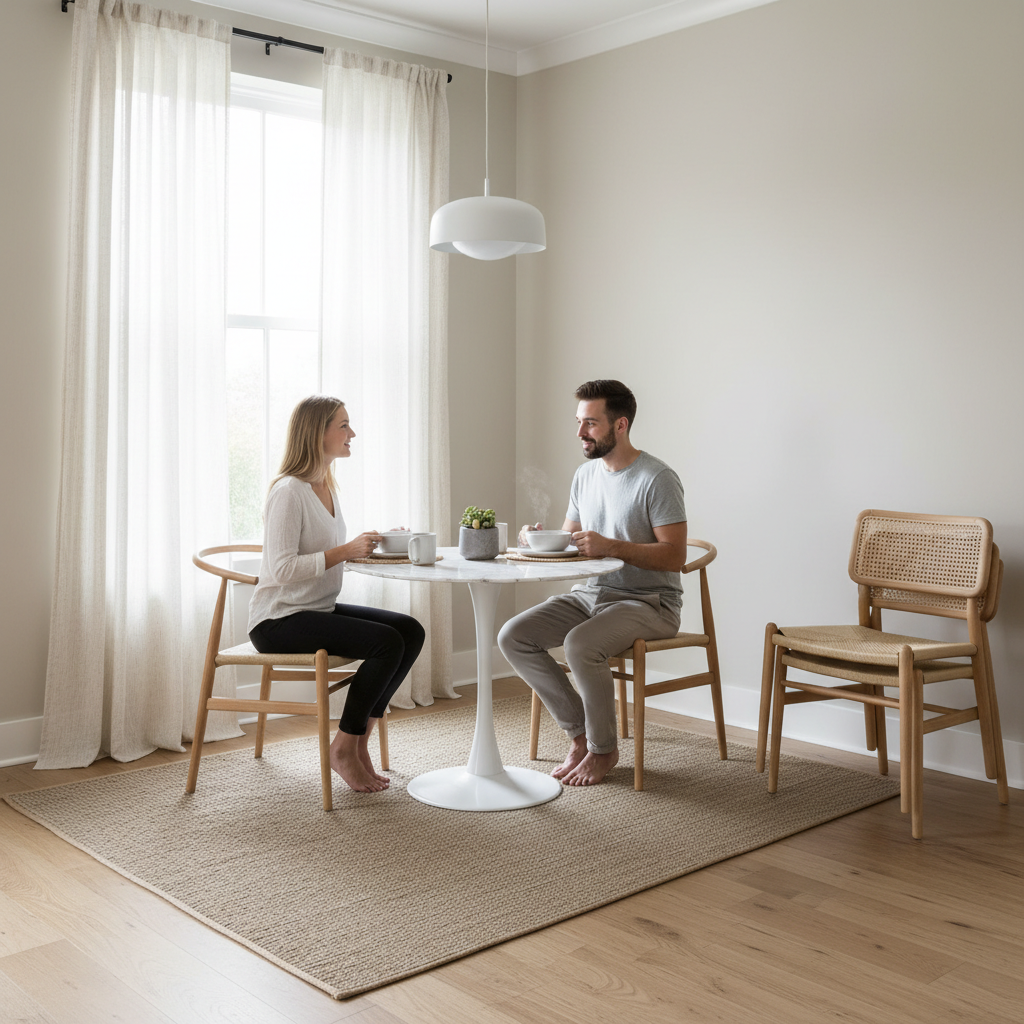
What makes a stackable dining chair work in a small space
In tight dining zones, “stackable” is only step one. The chair needs the right geometry so it fits under the table, stacks without wobble, and stays comfortable on a normal weeknight dinner.
- Footprint: Narrow seat width and a leg shape that doesn’t flare too far out.
- Push-in clearance: A backrest that won’t bump a wall, radiator, or counter edge.
- Stack height and stability: Some chairs stack 4 safely, others 10, but the stack has to feel secure when you move it.
- Weight you can actually lift: Light enough that you’ll use the feature, heavy enough to feel steady.
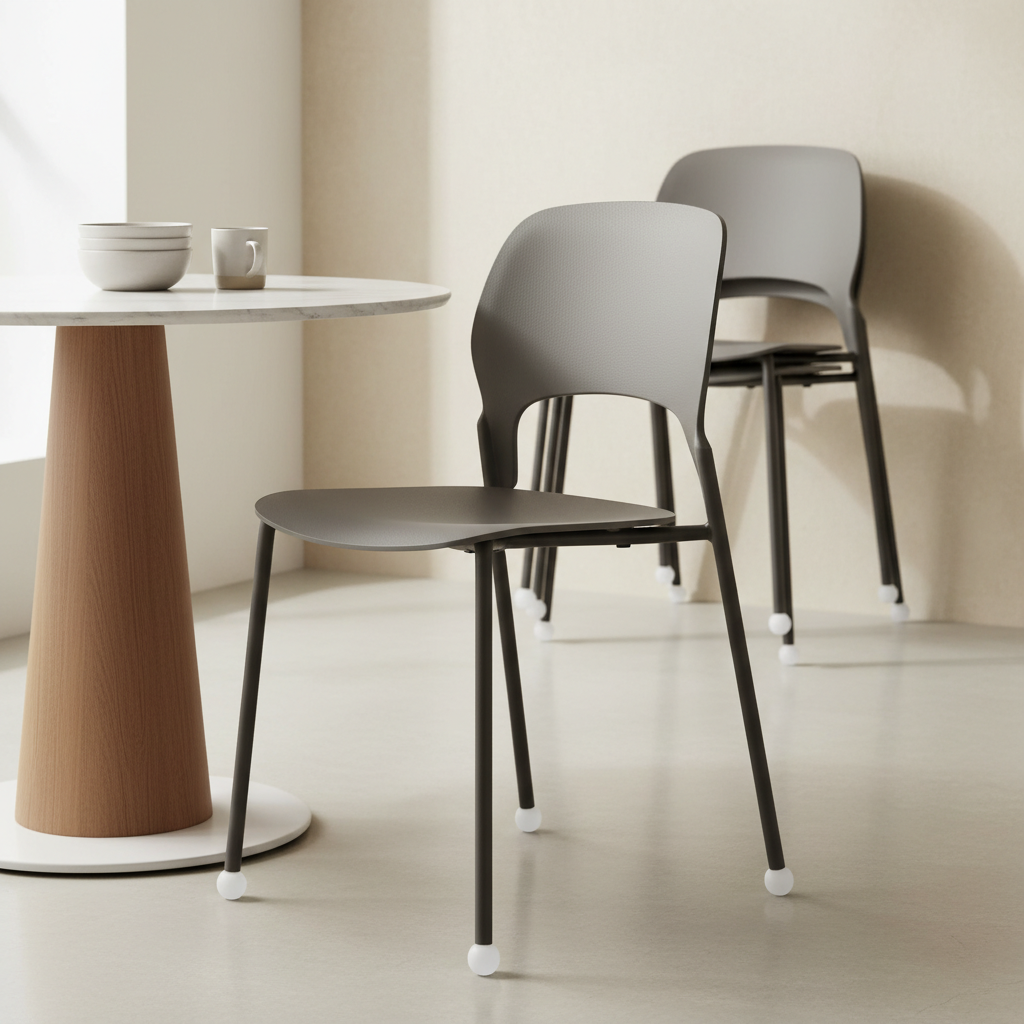
- Floor friendliness: Non-marking glides or felt pads so rearranging doesn’t scratch.
Also, be honest about how you’ll store them. A chair that stacks “great” but needs a wide base still becomes a problem if you only have a narrow closet.
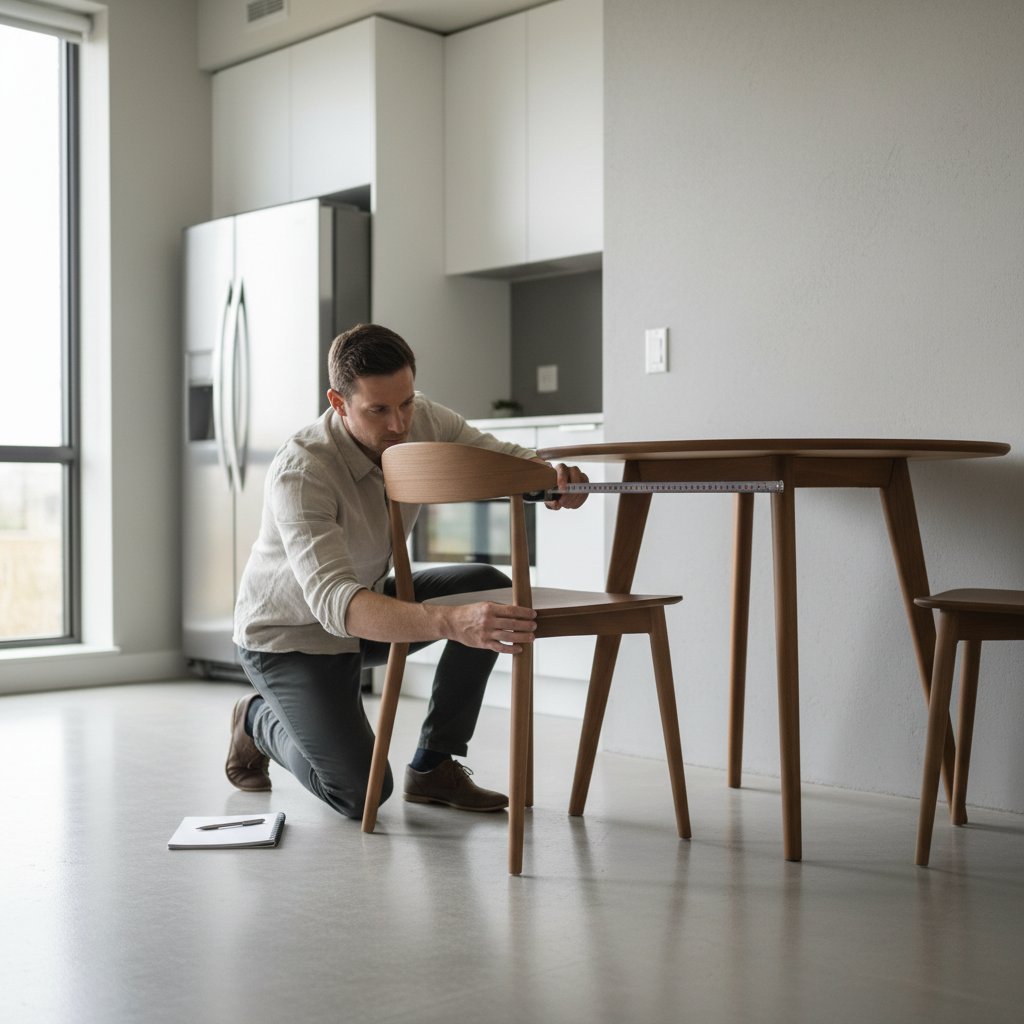
Quick self-check: measure before you shop
Most buying mistakes are measurement mistakes. Before you pick the best stackable chairs for small dining areas, grab a tape measure and check a few real constraints in your room.
Space checklist
- Seat height: Many dining tables pair well with ~17–19 inch seat height, but confirm your table apron clearance.
- Chair width: Measure the space per seat at your table, especially if you want 3 chairs on one side.
- Pull-out space: Count on needing extra room to slide back and stand up, tight spaces may require slimmer chair backs.
- Storage spot: Measure your closet depth or the corner you plan to use for stacks.
- Stack clearance: Consider ceiling height under shelves, and whether you’ll need to carry stacks through doorways.
If your dining area doubles as a walkway, prioritize chairs that tuck in tight and feel easy to “reset” after each meal.
Materials that make sense for small dining areas
Material affects comfort, maintenance, and how bulky the chair feels visually. In small rooms, visual “lightness” matters more than people expect.
- Molded plastic (polypropylene): Usually light, easy to wipe, often stacks high. Watch for glossy surfaces that show scratches.
- Metal frame: Often slimmer profiles and durable, good for frequent stacking. Check weld quality and floor glides.
- Wood: Warmer look, but some wood stackables are heavier and can nick easily when stacked fast.
- Upholstered seat: Better comfort for long meals, but adds thickness and can snag when stacking if the shape isn’t designed well.
According to the American Home Furnishings Alliance (AHFA), furniture safety and stability depend on design and proper use, so it’s worth prioritizing sturdy construction and following the manufacturer’s stacking guidance rather than guessing.
Comparison table: pick the right type for your lifestyle
Instead of chasing one “perfect” chair, match the chair type to how you actually use your dining spot.
| Chair type | Best for | Typical tradeoffs | What to look for |
|---|---|---|---|
| Plastic molded stackable | Everyday use, easy cleaning, kids/pets | Can feel firm, scratches show | Matte finish, contoured seat, non-slip feet |
| Metal café-style stackable | Very tight spaces, frequent moving | Can feel cold, noisier on floors | Rubber glides, slim back, powder-coated frame |
| Wood stackable bistro | Warm look, “real dining” feel | Heavier stacks, dings if unprotected | Protective bumpers, smooth edges, manageable weight |
| Stackable with upholstered seat | Long dinners, WFH at the table | Bulkier stack, stains possible | Stain-resistant fabric, removable seat pad if available |
Comfort and ergonomics: the stuff you notice after 20 minutes
Many people buy stackables for storage, then regret them when the chair becomes the default dinner seat. If the chair will see daily use, treat comfort like a must-have, not a bonus.
- Seat depth: Too shallow feels perchy, too deep feels awkward for shorter users.
- Back support: A slight curve beats a perfectly flat back, even on minimalist designs.
- Front edge: A waterfall edge (rounded front) usually reduces pressure behind knees.
- Noise: Some chairs squeak or scrape when you shift, which gets old fast in small apartments.
If you can, sit-test with your typical posture. If you often linger at the table, a thin seat pad can help, but only if it doesn’t interfere with stacking.
Practical buying tips: how to choose without overthinking
When you’re comparing options, it helps to decide what you’re optimizing for: everyday comfort, maximum floor space, or occasional extra seating. The best stackable chairs for small dining areas are the ones you’ll actually stack, move, and use.
Key points to decide upfront
- How many chairs need to disappear? Two chairs stacking in a closet is different from six chairs for hosting.
- What’s your storage “shape”? Narrow closet, under-console space, behind a door, or a visible corner.
- Floor type: Hardwood and vinyl need better glides, rugs need legs that won’t catch.
- Cleaning reality: If spills happen, go wipeable or at least stain-resistant.
Simple selection steps
- Start with dimensions, eliminate anything too wide or too tall to tuck in.
- Pick material based on cleaning and weight, then narrow by comfort features.
- Check the manufacturer’s stated stacking limit and any handling notes.
- Look closely at feet and edges, small details show whether it’s meant for repeated stacking.
Common mistakes (and what to do instead)
A few predictable missteps show up again and again with small dining layouts.
- Buying “event chairs” for daily dining: If you sit there every night, prioritize comfort, then stackability.
- Ignoring armrests: Armchairs can be cozy, but they often block tucking in and reduce seating count.
- Assuming all stackables stack well: Some only stack neatly in identical sets and on level floors.
- Skipping floor protection: Even light chairs can scuff if you slide them often, add felt or better glides.
- Over-stacking: Stacking above the recommended limit can be unstable, especially around kids or pets.
According to the U.S. Consumer Product Safety Commission (CPSC), tip-over and furniture-related injuries can happen in home settings, so if you plan to store taller stacks, keep them out of high-traffic paths and follow the brand’s safety guidance. If stability feels questionable, it’s smart to consult a professional, especially in commercial or childcare environments.
Conclusion: a small-space setup that feels easy every day
Choosing the best stackable chairs for small dining areas is less about chasing a trend and more about matching your room constraints with the chair’s footprint, comfort, and stacking behavior. When the dimensions work and the chair feels good after 20 minutes, the whole dining corner starts to feel bigger.
If you want one action step, measure your table clearance and your storage spot today, then shop with those numbers in hand. If you want a second step, prioritize floor glides and comfort shaping, since those details tend to decide whether you love the chairs or replace them later.
FAQ
- How many stackable dining chairs should I buy for a small apartment?
Many people do well with two daily chairs plus two extras for guests, but it depends on storage space and how often you host. If you rarely entertain, fewer chairs with better comfort usually feels smarter. - Do stackable chairs damage hardwood floors?
They can, especially if the feet are hard plastic and you slide them. Look for rubber glides or add felt pads, and re-check pads occasionally since grit can get trapped. - Are metal stackable chairs uncomfortable for long dinners?
Some are fine if the seat is contoured and the back has a gentle curve, others feel rigid. If you tend to linger, consider a design with a shaped back or a thin cushion that won’t interfere with stacking. - What seat height works for most dining tables?
Common dining setups use a seat height around 17–19 inches, but table height and apron clearance vary. Measure the space between the floor and the underside of your tabletop, then leave enough leg room. - Can I stack different chair models together?
Usually not reliably. Even small differences in leg shape or seat lip can make the stack unstable, so it’s safer to stack identical chairs unless the manufacturer says otherwise. - How do I store stacked chairs without making my room look cluttered?
Pick a chair style with a visually light profile and keep the stack aligned in a defined “home,” like beside a credenza, inside a closet, or behind a door. A small rug or floor protector can also make the storage corner feel intentional.
If you’re trying to furnish a tight dining nook and want a more “no surprises” path, it may help to shortlist chairs by exact dimensions and stacking limits first, then pick the style that fits your room, rather than falling for a look that fights your layout.