
Luxury home decor rarely comes from buying the most expensive item in a room, it comes from editing, proportion, and a few high-impact choices that look intentional. If your space feels nice but not quite “finished,” you’re usually one or two upgrades away from that elevated, designer-level impression.
What makes this worth getting right is simple, luxury looks calm. It reads as quality without begging for attention, and it tends to age well, even when trends shift. The goal is not to copy a showroom, it’s to create a home that feels collected, comfortable, and quietly premium.
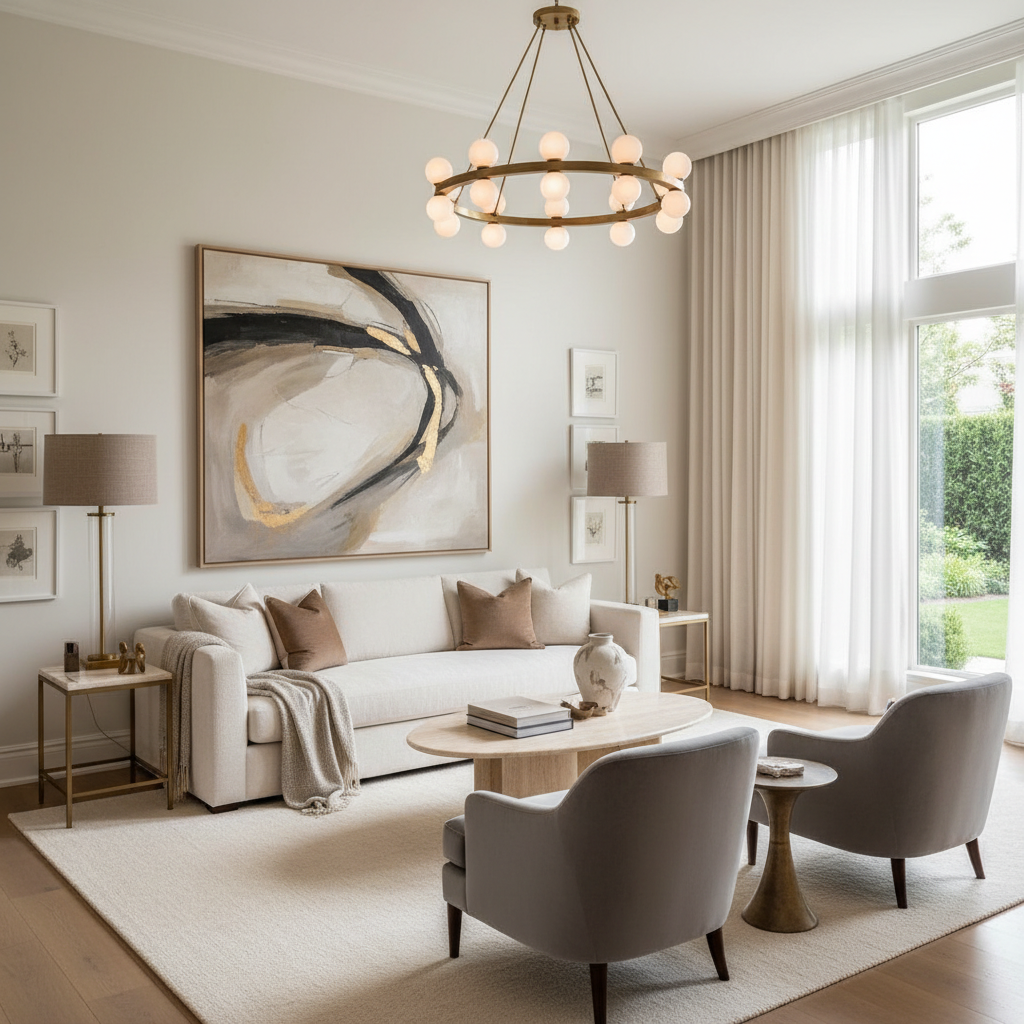
Below are 15 timeless ideas that work across styles, modern, transitional, even classic, with practical guidance so you can choose what matters for your space and budget. I’ll also flag common “money-wasting” moves, because high-end results often come from restraint.
What actually makes a room feel “luxury” (even before you shop)
Most upscale interior design ideas have a shared foundation: cohesion, scale, and materials. When those three align, even a modest room reads as premium; when they don’t, expensive items can still look random.
- Cohesion: repeat 2–3 finishes (like brass, walnut, and ivory) instead of mixing everything you like.
- Scale: too-small rugs, art, and lighting are the fastest way to shrink a room visually.
- Materials: fewer synthetics, more tactile surfaces (linen, wool, stone, solid wood, thick glass).
According to the American Society of Interior Designers (ASID), good design supports everyday well-being and function. In real homes, that usually translates to layouts that feel easy, lighting that feels flattering, and finishes you don’t have to “babysit” daily.
Quick self-check: where your home might be losing the “high-end” effect
If you only fix one or two issues, start here. These are the usual culprits when a space feels cluttered, flat, or slightly “builder-grade.”
- Your lighting is only overhead, or bulbs vary in color temperature from room to room.
- Art is undersized or hung too high, leaving a “floating” look.
- Too many small decor pieces, not enough negative space.
- Rug is too small, sofa floats off it instead of anchoring it.
- Window treatments stop short, or look thin and skimpy.
- Finishes compete (chrome + brass + black + copper) with no plan.
Key takeaway: luxury is often subtraction plus one strong focal point, not more accessories.
15 timeless luxury home decor ideas (that elevate every room)
Use these like a menu, pick 3–5 per room rather than trying to do everything at once.
1) Upgrade your “touch points” first
Doorknobs, cabinet pulls, faucets, switch plates, and towel bars get handled daily. Swapping to solid-feel finishes (unlacquered brass, matte black, polished nickel) reads “custom” fast, without redoing the room.
2) Layer lighting like a designer
Luxury lighting fixtures matter, but the real trick is layers: overhead + lamps + accent lighting. Aim for consistent warm bulbs across the home, and put key lights on dimmers. If you’re unsure about electrical work, a licensed electrician is usually the right call.
3) Choose a rug that fits the room, not the budget
In living rooms, front legs of major seating should sit on the rug, or everything should. For bedrooms, a large rug that extends beyond the bed sides reads calmer than small runners that chop the floor visually.
4) Bring in statement wall art that sets the tone
Statement wall art for luxury homes is often oversized, simple, and confidently placed. If you’re stuck, go larger than you think, and keep framing consistent (thin black, light oak, or warm metal) for an intentional gallery feel.
5) Invest in high-end home accessories that look sculptural
Swap many small decor items for 1–2 sculptural pieces: a thick glass bowl, a stone tray, a substantial candle, or a single object with presence. This is where “less but better” actually shows.
6) Use designer throw pillows as texture, not noise
Designer throw pillows work best when they add texture and a restrained palette: linen, bouclé, velvet, wool. A simple rule: keep pillow colors within your room’s main tones, and vary texture more than pattern.
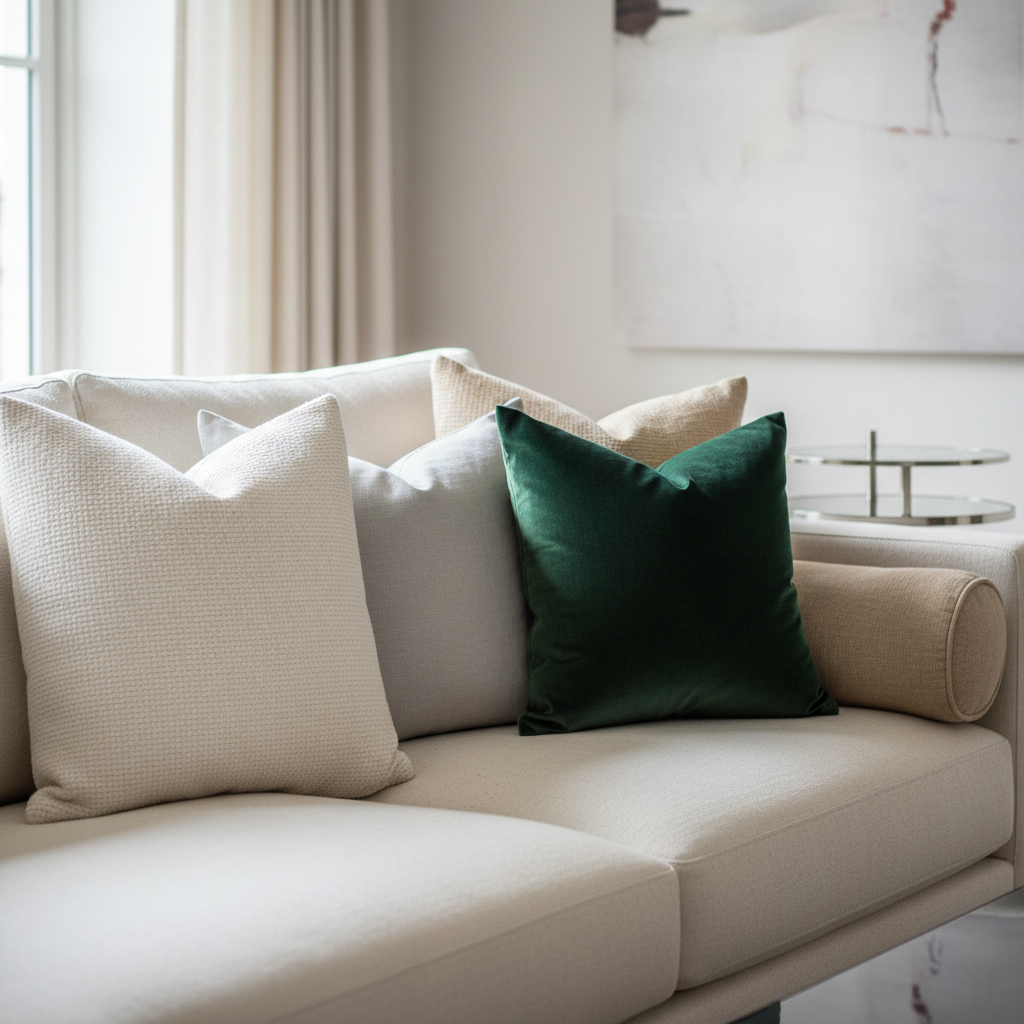
Many “luxury” rooms have fewer pillows than you expect, they just look substantial and well-made.
7) Add one artisanal decorative vase (and style it correctly)
Artisanal decorative vases in ceramic or hand-blown glass give a collected feel. Style tip: choose one vase with volume, add either a single dramatic branch or nothing at all. Overstuffing tends to look supermarket, not premium.
8) Treat windows like architecture
Long, full drapery that kisses the floor changes the whole room. Mount hardware wider and higher than the window frame to visually enlarge it, and choose heavier fabrics for a richer drape.
9) Create a “quiet” color story and repeat it
Luxury home decor often relies on controlled color: warm neutrals, deep earth tones, or monochrome with subtle contrast. Repeat your key tones across textiles, art, and accessories so the room feels composed.
10) Upgrade bedding the way hotels do
Luxury bedding and linens usually feel crisp, layered, and weighty. Think: quality sheets, a substantial duvet insert, a duvet cover with structure, and an extra layer (quilt or throw) folded at the foot. Keep the palette calm, let texture do the work.
11) Make your coffee table look curated, not cluttered
Use a tray, one or two books, and one object with height (a vase or candle). Leave breathing room. The negative space is part of the “expensive” look.
12) Add modern glam home accents in small, deliberate doses
Modern glam home accents, like a lacquer box, a polished stone bowl, or a subtle metallic lamp, can lift a neutral room. The key is restraint; too many reflective finishes can make a space feel busy instead of refined.
13) Bring in bespoke furniture pieces where they matter most
Bespoke furniture pieces don’t have to mean a full custom room. Often, it’s one made-to-fit element: a built-in bookcase, a banquette, a custom console, or a tailored headboard. Even “semi-custom” sizing can fix awkward proportions that off-the-shelf furniture can’t.
14) Elevate the entry with one signature moment
A console with a substantial mirror, a sculptural bowl, and a lamp makes the home feel intentional from the first step in. If space is tight, a wall shelf plus a strong sconce can do the same job.
15) Don’t forget scent and sound (quiet luxury’s secret tools)
This is the soft side of premium living room decor: a subtle diffuser or candle, and thoughtful audio (even a small speaker with warm sound). Keep scent gentle; overpowering fragrance can read more “cover-up” than “luxury.”
A practical room-by-room upgrade plan (so you don’t overspend)
If you want results without spiraling into endless purchases, use this order of operations. It’s not glamorous, but it works.
- Step 1: Fix scale basics (rug size, curtain height, art size).
- Step 2: Create lighting layers, then standardize bulb warmth.
- Step 3: Limit finishes to a tight set and repeat them.
- Step 4: Add 1 focal point (art, light fixture, or standout furniture).
- Step 5: Edit accessories, then upgrade what remains.
Many people start with accessories because it feels easy, but if the rug is small and the curtains are short, even great accessories won’t land.
Shopping guide: what to splurge vs. save (quick table)
Not everything needs a premium price tag. The trick is choosing where quality is visible and where it’s just marketing.
| Category | Usually worth a splurge | Often safe to save |
|---|---|---|
| Lighting | Statement pendant, chandelier, dimmers | Simple table lamps with upgraded shades |
| Seating | Sofa frame, cushion fill, upholstery | Accent chairs if used lightly |
| Textiles | Rug materials, luxury bedding and linens | Seasonal throws, pillow inserts (with good covers) |
| Casegoods | Dining table top, media console craftsmanship | Nightstands or side tables in simple silhouettes |
| Accessories | Artisanal decorative vases, real stone trays | Books, simple vessels, minimal decor fillers |
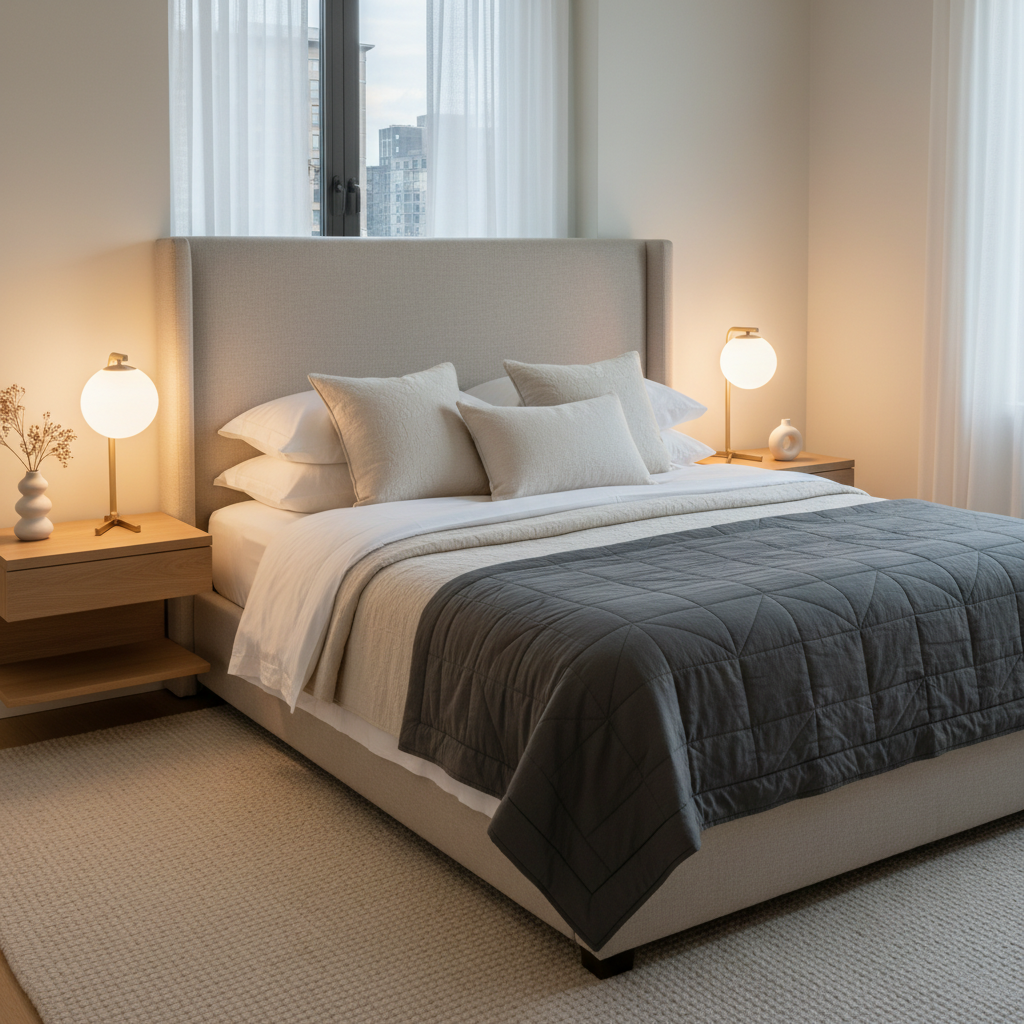
Key point: one “hero” purchase per room often beats five mid-level swaps that don’t change the silhouette.
Common mistakes that make luxury decor look cheaper than it is
- Too many trends at once: bouclé + fluting + checkerboard + mushroom lamps can turn into visual noise.
- Ignoring undertones: mixing cool gray with warm cream can look “off,” even when both are neutral.
- Over-accessorizing: if every surface has something on it, nothing looks special.
- Buying art last-minute: rushed art choices often feel generic; it’s okay to wait.
- Forgetting maintenance: some luxe finishes mark easily, choose what fits your real life.
Conclusion: a calmer, more elevated home comes from fewer, smarter moves
Luxury home decor is less about chasing labels and more about getting the fundamentals right, scale, lighting, texture, then adding a couple of pieces with real presence. Pick a room, choose one focal upgrade, and commit to a tighter palette. You’ll feel the difference fast, and the space will hold up over time.
If you want a simple next step, walk your home at night, turn on only the lights you actually use, and note where the room feels harsh or dim. Fixing that lighting plan is often the most noticeable “luxury” upgrade per dollar.