
Home living gets tricky when your place looks fine on paper but still feels a bit cold, cluttered, or “not you,” especially in apartments and small rooms where every choice shows.
The good news, most cozy upgrades come from a few high-impact moves, lighting that flatters, furniture that fits how you actually sit, and small comforts that make the room feel lived-in without looking messy.
I’ll walk through practical home decor ideas, living room furniture choices, and cozy home essentials you can mix with a modern interior design or minimalist home aesthetic, plus organization and sustainability options that make sense in real life.
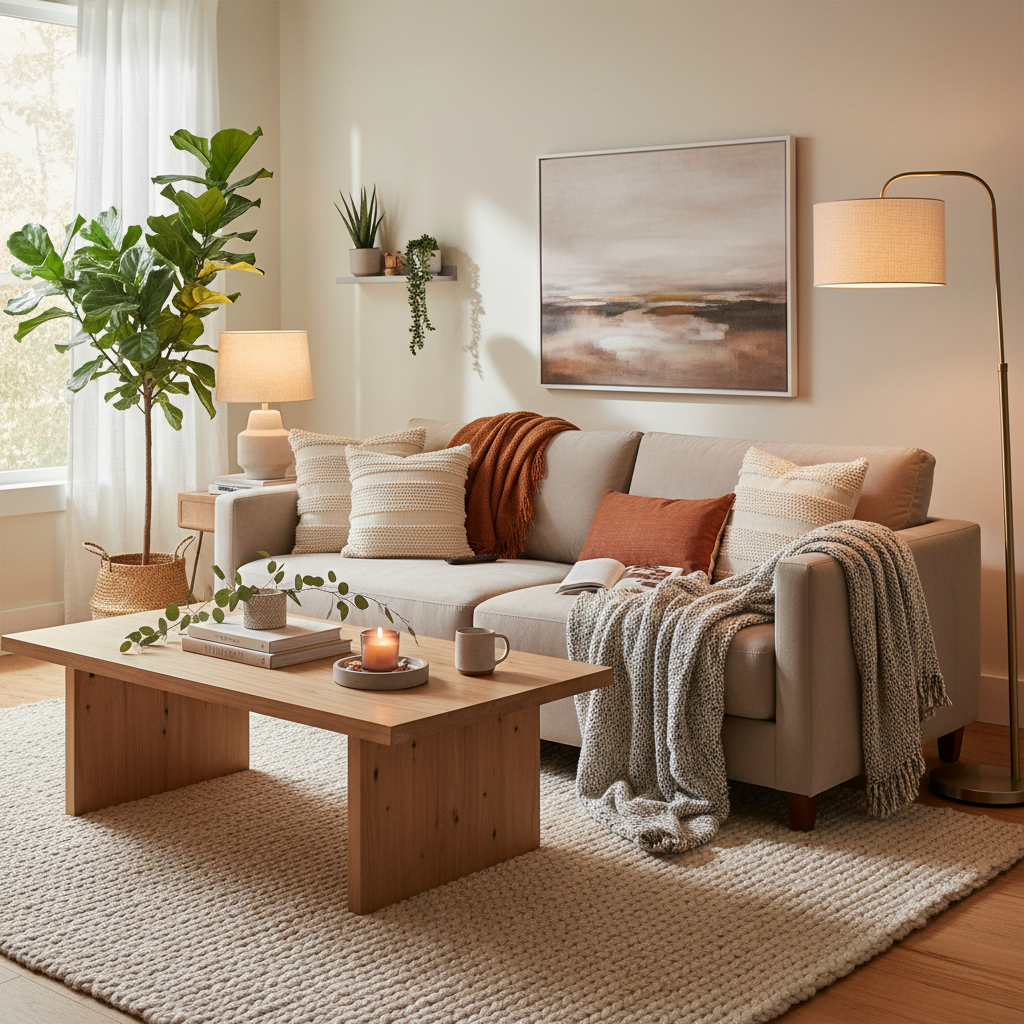
Start with “cozy” fundamentals: light, texture, and sound
If your home living setup feels off, it’s often not the big-ticket items, it’s the atmosphere. Coziness usually comes from layering, not adding more stuff.
Lighting that makes people want to stay
A single overhead light can make even nice decor feel harsh. Aim for two to three light sources in the main room, then keep bulbs consistent.
- One ambient source: floor lamp or shaded table lamp for overall warmth
- One task source: reading lamp near your usual seat
- One accent source: small lamp on a console, picture light, or LED strip tucked behind a shelf
According to U.S. Department of Energy, switching to LED lighting can reduce energy use and lasts longer than traditional bulbs, which also makes “cozy lighting” easier to maintain without constant replacements.
Texture reads as comfort (even in a minimalist home aesthetic)
Minimal doesn’t mean bare. Mix a few textures with the same general color family: a knit throw, a woven rug, linen curtains, or a matte ceramic vase. It looks intentional without feeling staged.
Don’t ignore sound
Hard surfaces amplify echo. If your place feels “empty,” try adding a rug pad, thicker curtains, or even a fabric ottoman. It’s not glamorous, but it changes the vibe fast.
Living room furniture: pick for behavior, not just style
Most living room frustration comes from furniture that photographs well but doesn’t match how you move through the space. For home living that actually feels easy, start by naming how you use the room.
A quick “how we live here” check
- Do you host friends, or mostly lounge solo?
- Do you eat on the couch often, or prefer a dining spot?
- Do you need storage in the room, or can it live elsewhere?
Once that’s clear, furniture decisions get simpler.
High-impact pieces worth getting right
- Sofa depth and height: deep seats feel cozy, but can be annoying if you sit upright often
- Rug size: too small makes the room feel like it’s floating; in many cases, front legs of seating should sit on the rug
- Coffee table shape: round tables help in tight walkways, rectangular works when you need surface area
- One “landing zone”: a side table or narrow console prevents random piles on the couch
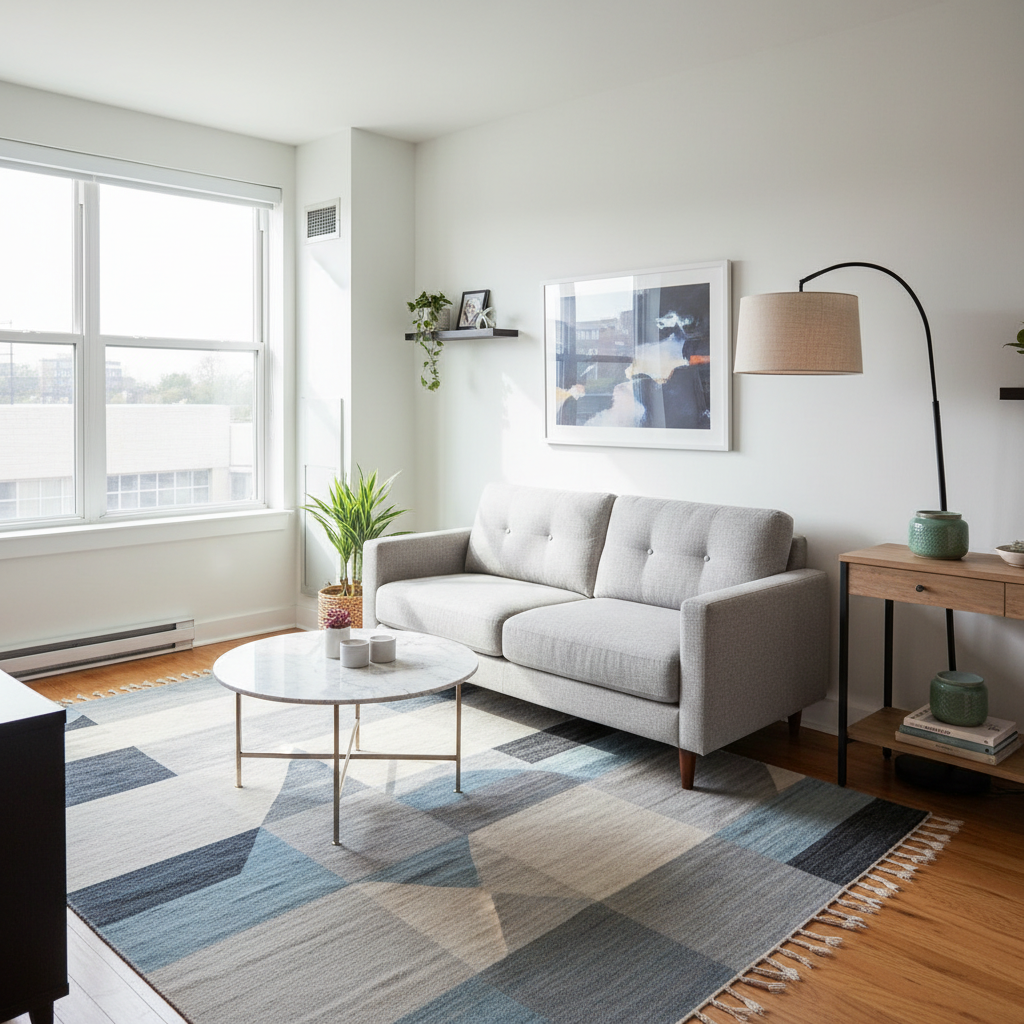
Home decor ideas that look finished (without being fussy)
Decor works when it supports the room’s function. If it’s only “pretty,” it tends to become visual clutter. If it’s only functional, the space can feel sterile. The sweet spot is small, repeatable rules.
Three styling rules that rarely fail
- Repeat one material 2–3 times (wood, black metal, brass, or rattan) so the room looks cohesive
- Vary height on shelves and surfaces, tall, medium, low, to avoid a flat lineup
- Use negative space, leave one area intentionally empty so your eye can rest
Easy “done” signals in modern interior design
- One large art piece instead of many tiny frames
- Two pillows plus one throw, not a pillow explosion
- A tray on the coffee table to contain remotes, matches, and a candle
If your goal is a minimalist home aesthetic, treat decor as editing, keep what adds warmth or meaning, then stop. A room can be cozy and still breathe.
Small space organization: make storage feel invisible
In many apartments, clutter isn’t about buying too much, it’s about having no “homes” for everyday items. For home living that stays calm, set up storage that matches your habits, not your fantasies.
The 10-minute self-check
- What are the three items you move daily (keys, charger, water bottle, bag)?
- Where does mail land, and why?
- What do you regularly “temporarily” place on a chair?
Those answers tell you where you need containers and hooks, not more shelves on the far wall you never use.
Apartment styling tips that also hide clutter
- Closed storage: a cabinet, credenza, or storage ottoman for visual calm
- Vertical solutions: wall hooks, tall bookcases, over-the-door organizers
- One basket per zone: throw blanket basket, kid-toy basket, “stuff I’ll file later” basket
According to The National Association of Professional Organizers (NAPO), organizing systems tend to work better when they’re simple to maintain, which is a polite way of saying “if it’s annoying, you won’t keep doing it.”
Cozy home essentials: a realistic checklist (buy less, feel more)
Cozy isn’t a shopping list, but a few essentials genuinely improve day-to-day comfort. If you’re building your home living kit from scratch, prioritize items you touch and use.
- Throw blanket you actually like against your skin
- Rug pad to make rugs feel softer and reduce slipping
- Two pillow inserts (a little fuller than the cover size) for a tailored look
- Bedside lighting with warm color temperature
- Entry mat to reduce tracked-in dirt, underrated for keeping the home feeling fresh
If you have allergies or sensitivities, textiles and fragrances can be a trigger, so it may help to choose low-scent options and wash new fabrics before use, and if symptoms persist, consider asking a clinician for guidance.
Sustainable home products and smart home accessories that earn their keep
Sustainability and “smart” upgrades can be great for home living, but only when they solve a real problem. Otherwise, they become expensive clutter with a charger.
Sustainable upgrades that usually make sense
- LED bulbs and smart dimmers for flexible lighting
- Washable textiles that last, rather than delicate trendy pieces
- Refillable cleaners if refills are easy to get in your area
- Secondhand wood furniture you can clean and reseal, often sturdier than fast furniture
Smart home accessories worth considering
- Smart plugs for lamps, easiest way to automate cozy lighting
- Smart thermostat if you control your HVAC, but compatibility matters, check your system first
- Robot vacuum if you have mostly hard floors, rugs with fringe can be a headache
According to Federal Trade Commission (FTC), it’s smart to review privacy settings and understand what data smart devices collect, especially for always-on microphones or cameras.
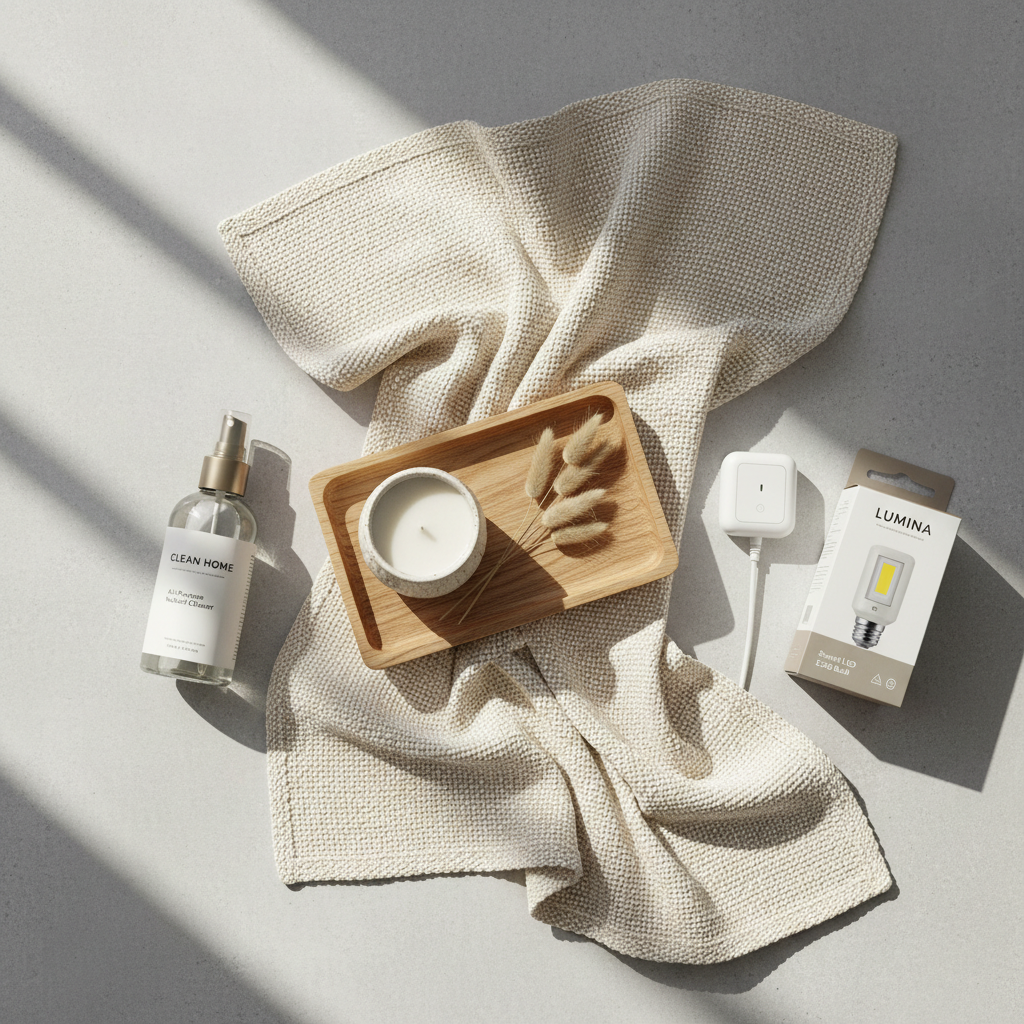
Home fragrance and candles: make it cozy without going overpowering
Scent is the fastest “this feels like home” cue, but it’s also easy to overdo. A cozy home usually smells clean, soft, and consistent, not like five competing candles.
A practical scent approach
- Pick one scent family: woody, citrus, fresh linen, or vanilla
- Use zones: one scent in living area, a lighter one in bedroom
- Ventilation matters: open a window for a few minutes, even in winter, if possible
For candle safety, keep flames away from curtains and never leave a burning candle unattended, and if you’re unsure about safe placement in a small space, it’s worth being conservative.
Quick action plan: cozy upgrades in a weekend
If you want home living to feel better fast, don’t scatter effort across ten tiny changes. Focus on a short sequence that builds momentum.
- Day 1 (30–60 minutes): replace one harsh bulb, add one warm lamp, clear one surface completely
- Day 1 (optional): set up a basket or tray as a “drop zone” by the entry or sofa
- Day 2 (60–90 minutes): adjust rug placement, add one throw, and pick one art piece for the main wall
- Day 2 (10 minutes): choose one signature scent, then put everything else away for now
Key takeaways + a simple decision table
Key takeaways: Cozy usually comes from layered lighting, fewer but better textiles, furniture that fits your real routines, and storage that’s easy to maintain. When in doubt, edit first, then add.
Cozy fixes by problem
| What feels wrong | Likely cause | Try this first |
|---|---|---|
| Room feels cold or harsh | Single overhead light, cool bulbs | Add a shaded lamp + warm LED bulb |
| Space feels messy fast | No “home” for daily items | One tray/basket per zone + hooks |
| Looks unfinished | Scale mismatch, too many small items | One larger art piece + right-size rug |
| Not cozy even with decor | Too little texture, echo | Add rug pad, curtains, soft throw |
| “Smart” feels stressful | Too many devices, privacy worries | Start with smart plugs, review settings |
If you want a calmer, warmer home, pick one room, fix lighting first, then add texture and a simple storage rule. After that, your home decor ideas start to stick because the space supports daily life, not the other way around.
If you’re ready, choose one upgrade you can finish today, a lamp, a rug pad, or a single “drop zone,” and commit to keeping just that one change consistent for a week.