
Simple home decor works best when it solves a real problem: your space looks fine, but it doesn’t feel finished, comfortable, or “you.” The good news is you usually don’t need new furniture or a full redesign, you need a few clear decisions about color, clutter, and where the eye should land.
If you’ve tried copying a Pinterest room and ended up with a bland space or a mess of little purchases, you’re not alone. Cozy and simple can coexist, but it takes restraint in some places and intention in others, especially in small homes or rentals.
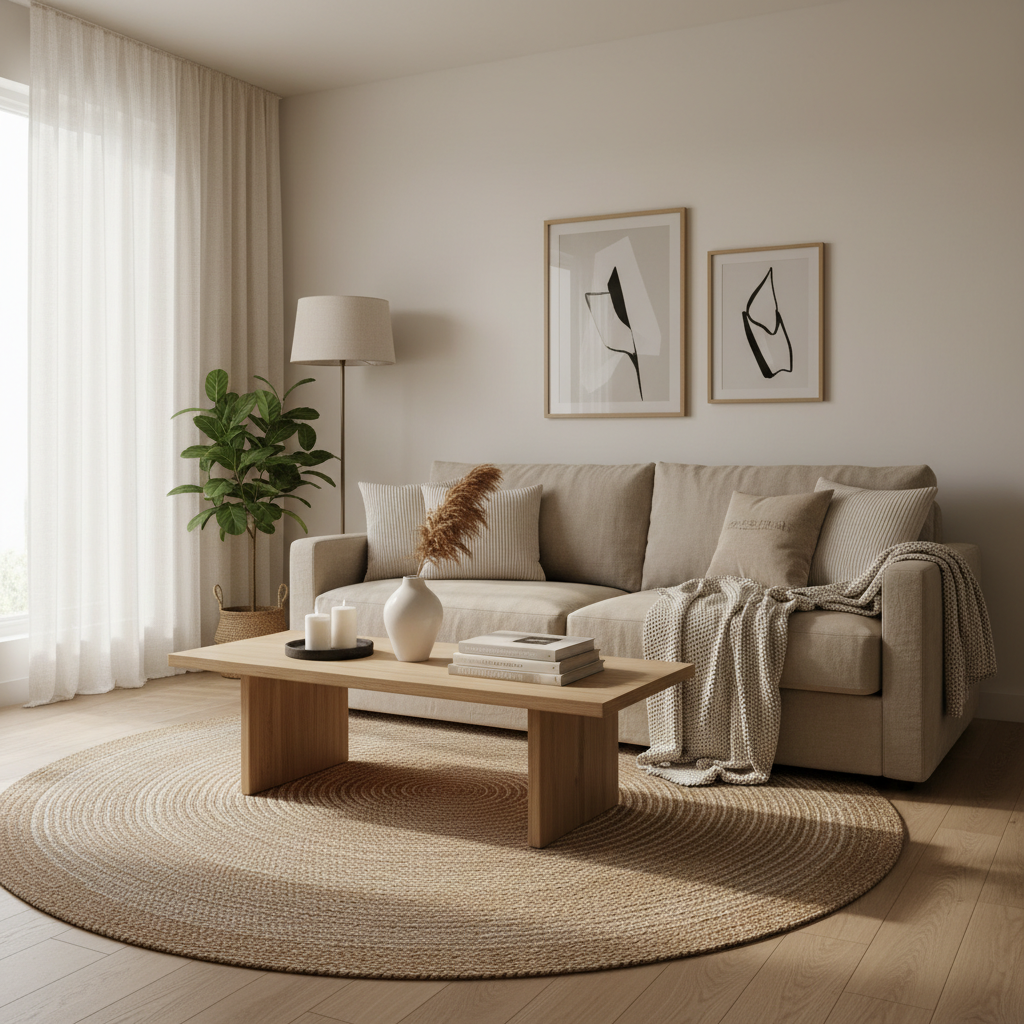
This guide focuses on easy home styling ideas you can do in a weekend, with budget-friendly home decor swaps, simple wall decor ideas, and a few “stop doing this” notes that save money fast. You’ll also get a quick checklist to figure out what your room actually needs, not what the internet says it needs.
Why “simple” often looks cold (and how to fix it)
Minimalist home decorating gets a bad reputation because many people remove personality first, then wonder why the room feels like a waiting area. Cozy minimal decor is less about having fewer items and more about choosing the right kinds of items.
- Too many hard surfaces: leather, glass, metal, and bare walls read “clean” but not “warm.” Add texture through textiles, wood, and woven elements.
- Lighting is doing all the work: one overhead light makes even modern simple interior design look harsh. Layer light sources so the room has softer zones.
- Everything is the same tone: neutral color home decor can feel flat if you skip contrast. You want light + mid + dark, even if it’s all neutrals.
- Clutter disguised as decor: lots of small items on every surface creates visual noise. Fewer, larger accents read calmer and more intentional.
According to American Lighting Association, layering ambient, task, and accent lighting usually creates a more comfortable, functional home environment than relying on one central fixture alone. That’s one of the fastest ways to make “simple” feel inviting.
A quick self-check: what your room needs most
Before buying anything, scan your main room (often the living room) and pick the two statements that feel most true. This keeps your simple home decor plan grounded.
- “The room feels busy.” You need editing, hidden storage, and clearer surfaces, think clutter-free living room decor rules.
- “The room feels empty.” You likely need texture, better lighting, and one larger focal point, not a pile of knickknacks.
- “It’s fine in daylight, sad at night.” Add lamps, warmer bulbs, and dimmable options where possible.
- “I can’t relax here.” Seating comfort and layout matter more than decor, start with pillows, throws, and furniture spacing.
- “Small space, always messy.” You need fewer surface items and smarter storage zones, not more organizers.
Key point: if you only change one thing, improve lighting and reduce surface clutter. Those two moves usually make budget-friendly home decor look more expensive.
Start with a calm base: color, texture, and one accent
When people say “simple,” they often mean “cohesive.” A calm base gives you room to add personality without chaos, especially for small space decor ideas where every object shows.
Pick a neutral palette that isn’t boring
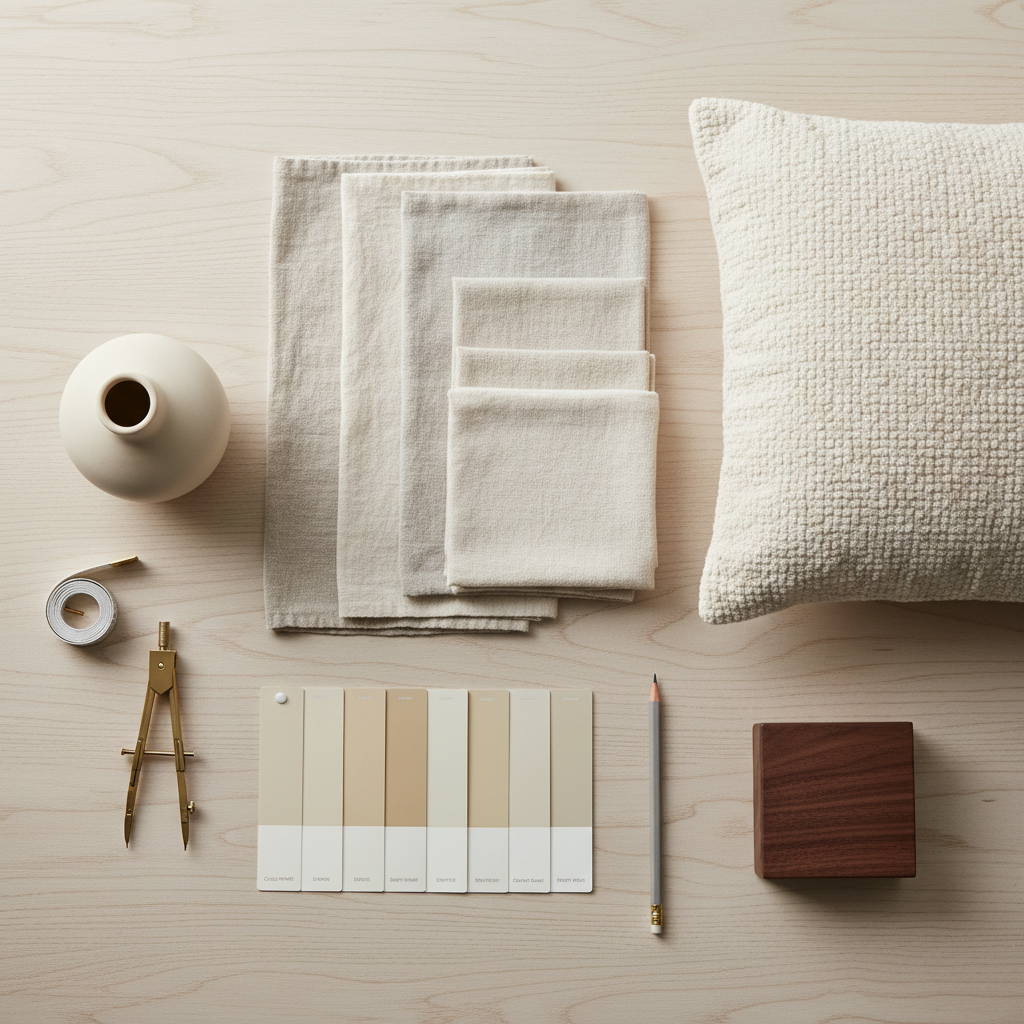
- Choose one main neutral (warm white, cream, greige) for walls or large pieces.
- Add one wood tone (light oak, walnut) and repeat it 2–3 times.
- Use one accent color in small doses (olive, rust, navy, charcoal). Think pillow stripe, a vase, a book spine.
Neutral color home decor looks cozy when you mix materials: linen, boucle, wool, rattan, matte ceramic. Same color, different textures, the room feels layered without looking “decorated.”
A mini table: “simple” swaps that change the mood fast
| What you have | Swap to | Why it feels cozier |
|---|---|---|
| Cool white bulbs | Warm white bulbs (often 2700K–3000K) | Softer, more relaxing light |
| Thin polyester throw | Textured knit or woven throw | Adds depth without adding clutter |
| Many tiny frames | 1–2 larger frames | Cleaner lines, stronger focal point |
| Random decor objects | One tray + 3 items max | Creates “intentional” grouping |
Clutter-free living room decor: rules that actually stick
Most “declutter tips” fail because they’re vague. For simple home decor to last, you need rules that survive real life: mail, remotes, chargers, kids’ stuff, and that one blanket you use daily.
- One surface, one job: if the coffee table is storage, dining, and display, it becomes chaos. Make it “comfort + one styling moment.”
- Hide small things, show big things: baskets, boxes, and cabinets are for the small visual noise. Leave larger pieces visible.
- Limit open shelving: open shelves look great online, but in many homes they require constant maintenance.
- Create a landing zone: a tray or bowl near the entry stops piles from migrating to the sofa.
If you’re working with a small space, pick one “always clear” area, like the arm of the sofa or one corner of the kitchen counter. It sounds minor, but it sets the tone for the whole room.
Easy home styling ideas: the “3 anchors” method
When a room feels unfinished, it’s often missing anchors. Anchors are bigger visual elements that make everything else look intentional, which is why they’re a quiet cheat code for budget-friendly home decor.
Anchor 1: A rug that fits (yes, size matters)
A too-small rug makes a room feel temporary. In many living rooms, at least the front legs of the sofa and chairs should sit on the rug. If you’re between sizes, going bigger usually looks more “designed.”
Anchor 2: Curtains that add height
Hang curtain rods higher than the window frame when possible, so the eye reads the room as taller. Keep fabrics simple, linen-look panels often work well for minimalist home decorating without feeling sterile.
Anchor 3: One strong focal point
- A large framed print
- A statement floor lamp
- A bigger plant in a simple pot
- A mirror that bounces light
Pick one and let it lead. Many rooms look “busy” because there are five competing focal points and none of them win.
Simple wall decor ideas that don’t feel like filler
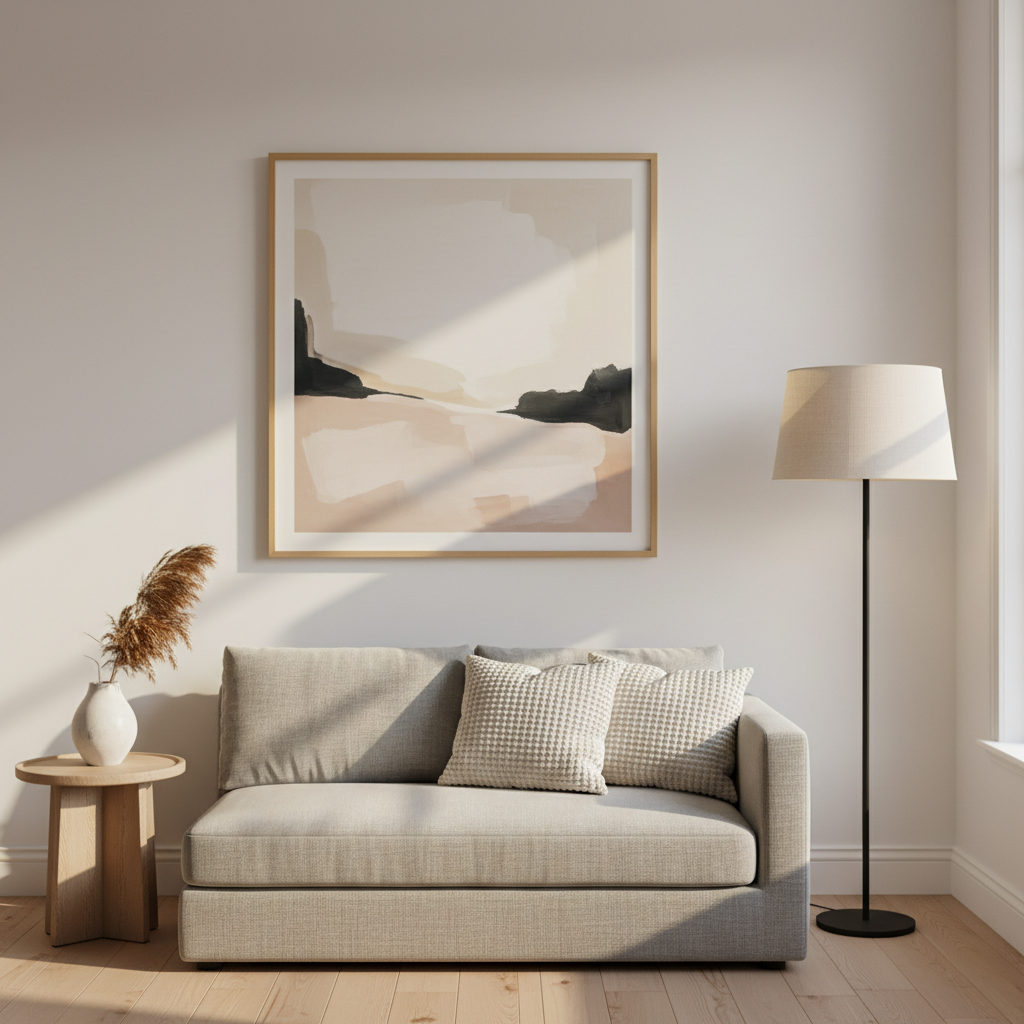
Walls are where people panic-buy, then regret it. If you want modern simple interior design with personality, go for fewer pieces with more presence.
- One oversized piece: easiest way to look intentional, especially above a sofa or bed.
- Two-piece set: matching frames, related prints, clean and calm.
- Picture ledge: flexible for rentals, rotate art seasonally without new holes.
- Textile wall hanging: adds texture fast, helpful when the room feels cold.
Tip that saves time: match frame finishes to your “one wood tone” or your main metal finish, then stop mixing. That’s how simple home decor stays cohesive without overthinking.
DIY minimalist decor ideas (that look grown-up)
DIY can look cheap when it tries to mimic luxury. DIY looks elevated when it keeps shapes simple and materials honest. These projects fit cozy minimal decor without screaming “craft day.”
- Paint a thrifted frame set in one matte color (black, warm white, or tan) and insert large-format prints.
- Create a textured canvas with joint compound for subtle relief, keep it monochrome so it reads modern.
- Upgrade hardware on a dresser or cabinet, same finish across the room helps minimalist home decorating feel intentional.
- Make a “catch-all” tray using a simple wood board and felt pads, it’s functional and keeps clutter contained.
If you rent, focus on reversible changes: peel-and-stick hooks for art, removable picture ledges, and lighting upgrades that don’t require rewiring. If you’re unsure about electrical work, it’s safer to consult a licensed professional.
Common mistakes that waste money (and how to avoid them)
- Buying decor before fixing layout: if seating faces the wrong direction or pathways feel tight, no vase will save it.
- Too many small “budget finds”: a dozen cheap items often cost more than one better anchor piece.
- Ignoring scale: tiny art over a big sofa, tiny lamp next to a large chair, everything feels off.
- Overdoing the theme: coastal, boho, farmhouse, any theme gets loud when every item tries to prove it belongs.
When you’re stuck, take a photo of the room. What looks “fine” in person often shows its clutter and scale issues instantly in a picture.
Practical weekend plan: a simple refresh in 2–3 hours
If you want easy home styling ideas that don’t spiral into a big project, follow this order. It’s quick, and it protects you from impulse shopping.
- 15 minutes: clear surfaces, put small items into a box, don’t sort yet.
- 30 minutes: adjust layout for comfort, pull seating closer to create a conversation zone.
- 30 minutes: set lighting layers, add a table lamp or floor lamp if evenings feel harsh.
- 30 minutes: style one area only, a coffee table tray, a console, or a shelf.
- 15 minutes: bring back only what you truly want visible, store the rest.
Key takeaway: a cozy look usually comes from fewer, better choices, not more stuff. That’s the heart of simple home decor that lasts.
When it makes sense to get extra help
If you keep buying and returning items, or if a room never feels right no matter how much you tidy, a short consult can be worth it. Many designers offer one-time virtual sessions now, and even a paint store color consult can help if neutral color home decor keeps turning “muddy” in your light.
If your project involves mounting heavy mirrors, hanging large art, or changing electrical fixtures, it’s reasonable to bring in a qualified handyman or licensed electrician. Safety matters more than aesthetics.
Conclusion: cozy can be simple, if you choose on purpose
Simple home decor isn’t a style that removes warmth, it’s a style that removes the extra decisions you don’t want to keep making. Tighten your palette, add texture, fix lighting, and keep clutter from living on your surfaces, the room starts to feel calmer almost immediately.
If you want one action today, pick a single anchor (rug, curtains, or large wall art) and build around it, then edit the small stuff down until the room breathes.
FAQ
- How do I make simple home decor feel cozy instead of plain?
Prioritize texture and lighting. Even with a neutral palette, knit throws, linen curtains, warm bulbs, and a few natural materials make the room feel lived-in without adding clutter. - What’s the easiest minimalist home decorating tip for beginners?
Stop decorating every surface. Keep one or two “clear zones,” then group remaining items on a tray or in a basket so the room looks intentional, not empty. - Are budget-friendly home decor upgrades worth it, or should I save for big pieces?
Mix both. Small upgrades like bulbs, pillow covers, and curtains can shift the mood fast, but at least one anchor item (often a rug) prevents the space from looking temporary. - What are the best small space decor ideas for a living room?
Use closed storage, limit open shelving, and choose fewer larger accents. In many small rooms, one big art piece and one good lamp look cleaner than many tiny items. - How can I do clutter-free living room decor when I have kids or roommates?
Build in “drop zones.” A lidded basket for toys, a tray for remotes, and a small bin for chargers keeps mess contained without constant policing. - What simple wall decor ideas work well in rentals?
Try picture ledges, removable hooks, or leaning frames on a console. Larger pieces tend to look more polished and require fewer holes overall. - How do I pick neutral color home decor that doesn’t look gray and cold?
Lean warmer and add contrast. Creams, tans, and warm whites paired with wood and a darker accent (charcoal, olive, navy) usually read cozier than cool grays in many homes.
If you’re trying to pull off cozy minimal decor but keep second-guessing what to buy, it can help to make a short “no-spend” plan first, then shop only for the one or two missing anchors, it’s a more realistic path than chasing a full-room makeover.