
How to choose kitchen faucet style starts with a simple truth, you don’t live with “a faucet,” you live with how it feels every single day, filling pots, rinsing produce, and cleaning up after real meals.
If you pick only by looks, you might end up with a beautiful faucet that splashes everywhere, blocks a window, or feels awkward with your sink depth. If you pick only by features, you might pay for tech you never use.
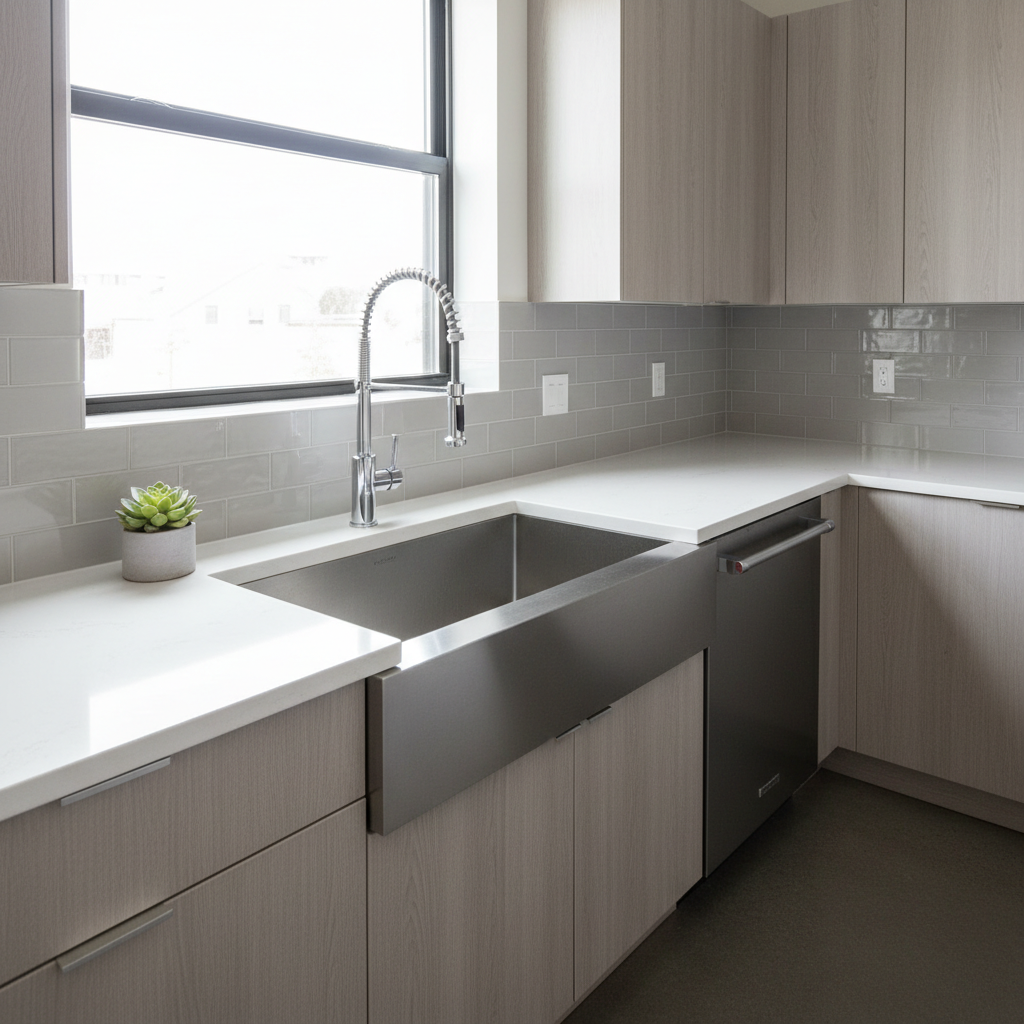
This guide keeps it practical, match the faucet to your sink and habits, then choose a style that fits your kitchen. You’ll also get a quick comparison table, a decision checklist, and a few “don’t do this” mistakes people repeat.
Start with your sink, layout, and daily habits
The faucet that feels right depends more on your sink and routine than most people expect. Before you get pulled into finishes and Instagram photos, lock in the basics.
- Sink size and depth: Deeper sinks handle higher arcs and stronger spray without splashback, shallow sinks often need a lower arc or a gentler stream.
- Faucet reach: The spout should land near the sink center, not at the back wall, not too close to the front edge where water jumps out.
- Clearances: Check upper cabinets, shelves, and especially windows that swing inward. High-arc faucets look great until a window hits the neck.
- How you cook: Big stockpots and sheet pans lean toward a taller spout and a pull-down head, quick handwashing might be fine with a compact design.
- Who uses it: Kids and shorter users often do better with easy lever handles and predictable spray controls.
According to the U.S. Environmental Protection Agency (EPA), choosing WaterSense labeled faucets can reduce water use while maintaining performance, which matters if you run the tap frequently for cooking and cleanup.
Choose a faucet style that matches your kitchen (and doesn’t fight it)
Style is not just “decor,” it changes how the faucet sits in the room and how usable it feels. These are the common kitchen faucet silhouettes, with the real-world tradeoffs.
High-arc (gooseneck)
- Best for: Large or deep sinks, frequent pot filling, a more “pro” look.
- Watch for: Splashing in shallow basins, clearance issues under cabinets.
Low-arc
- Best for: Tight spaces, windows behind the sink, smaller basins.
- Watch for: Less room for tall items, can feel cramped when rinsing big pans.
Commercial / semi-professional (spring or coil)
- Best for: Heavy cooking, lots of rinsing, strong visual statement.
- Watch for: Can overpower a small kitchen, more nooks to wipe down.
Wall-mount
- Best for: Farmhouse or vintage looks, easy sink-deck cleanup.
- Watch for: Plumbing complexity, placement must align with your sink, often best planned during remodel.
If your goal is a timeless look, most kitchens tolerate a simple high-arc pull-down in chrome, brushed nickel, or stainless. Trend finishes can be fun, but they can also date faster than you expect.
Pick the function first: spray, pull-down vs pull-out, and handle type
This is where people either love their faucet or quietly regret it. “Features” should solve one of your daily annoyances, not just look impressive on the box.
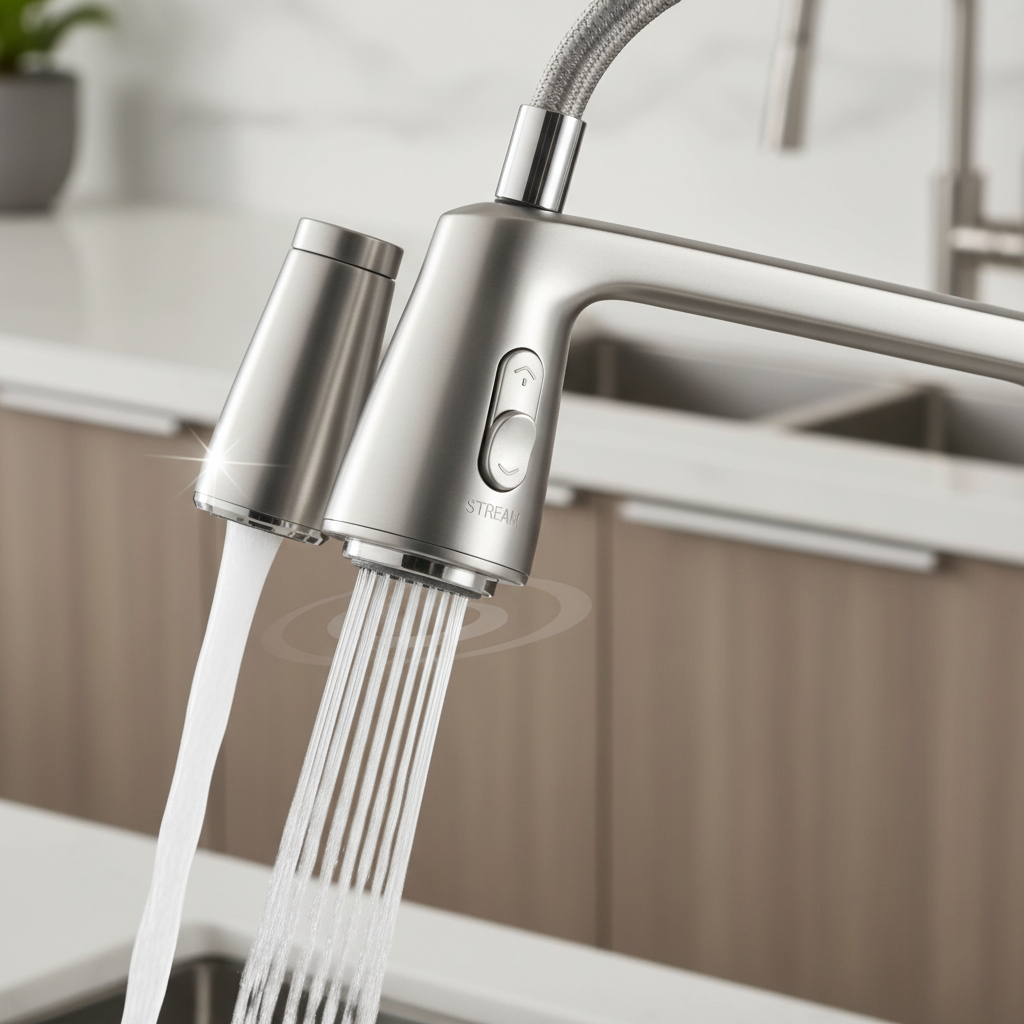
Pull-down vs pull-out
- Pull-down: Common with high-arc faucets, great for rinsing dishes and reaching corners. Works best with medium-to-large sinks.
- Pull-out: Often paired with lower profiles, can feel more controlled for smaller sinks, and sometimes easier for shorter users.
Spray modes that actually matter
- Aerated stream: Better for handwashing, less splatter.
- Wide spray: Better for rinsing plates and sink walls.
- Pause button: Helpful if you move items around mid-spray, not essential but genuinely convenient.
Handle setup
- Single-handle: Fast one-handed control, easier to use when your other hand holds a pot.
- Two-handle: Classic look, more precise hot/cold separation, but slower for quick tasks.
- Touchless/touch activation: Nice for messy cooking, but check power needs and be realistic about maintenance.
Small detail, big annoyance factor, make sure the handle won’t hit the backsplash when fully open, especially on compact sink decks.
Finish and material: what holds up in a real kitchen
Finish is where you can accidentally buy extra cleaning work. The best choice depends on your water, your cleaning habits, and how picky you are about fingerprints.
- Stainless / brushed finishes: Usually the most forgiving for water spots and fingerprints.
- Chrome: Bright and often budget-friendly, but shows spots more easily in many homes.
- Matte black: Strong contrast and modern look, can show mineral buildup as a light haze depending on water hardness.
- Brass / gold tones: Warm and stylish, but finish quality varies a lot across brands, read warranty terms carefully.
Material matters too. Solid brass bodies tend to be durable, while very lightweight builds can feel less substantial over time. If you’re unsure, look for clear warranty language and readily available replacement parts.
Quick comparison table: match style + function to your setup
If you want a fast way to narrow choices, use this as a starting point, then confirm measurements.
| Kitchen situation | Style that usually fits | Functions to prioritize | Common pitfall |
|---|---|---|---|
| Large single-bowl sink | High-arc gooseneck | Pull-down, strong spray, good docking | Too much splash if water pressure is high |
| Small sink or limited clearance | Low-arc or compact pull-out | Controlled spray, easy handle movement | Spout reach too short, water lands near the back |
| Busy cooking, frequent rinsing | Semi-pro/commercial look | Flexible hose, multiple spray modes | Harder to keep clean around spring/coil |
| Remodeling for a classic look | High-arc or bridge-style | Simple controls, durable finish | Choosing trend finish that clashes with hardware later |
| Need accessibility and easy use | Single-handle | Light handle action, clear spray toggle | Handle hits backsplash or feels stiff |
A simple checklist to confirm you’re buying the right faucet
If you’re stuck between two models, this checklist usually breaks the tie without overthinking.
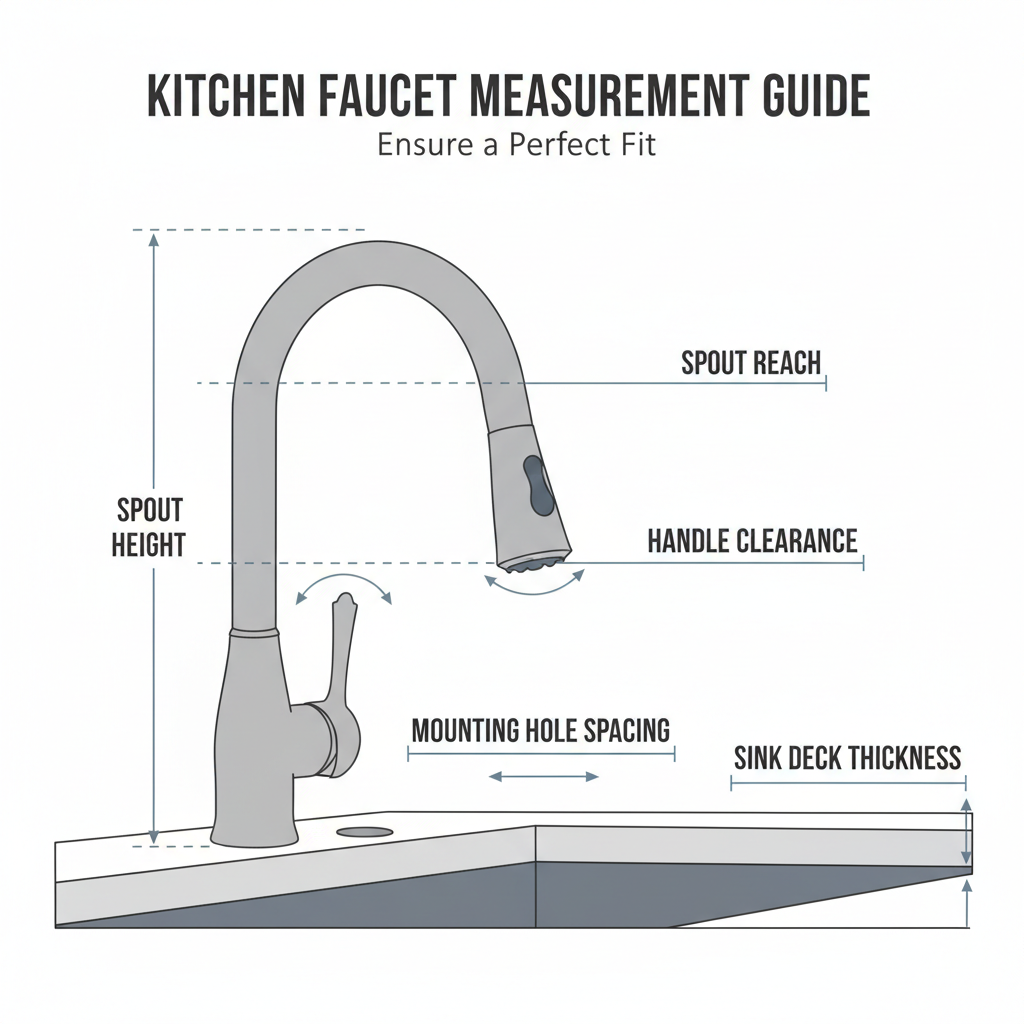
- Mounting holes: Do you have 1 hole, 3 holes, or need a deck plate to cover extras?
- Spout height and reach: Will it clear your tallest pot, and does it land water near the center?
- Sprayer docking: Does it snap back securely, or does it droop over time?
- Valve type: Ceramic disc valves are common and tend to be reliable in many cases.
- Flow rate: WaterSense models typically help reduce waste without feeling weak, but if you often fill big pots, check whether you’ll be annoyed.
- Parts and support: Are cartridges, hoses, and spray heads easy to source later?
- Finish match: Will it clash with cabinet pulls and appliances in your lighting?
Common mistakes and what to do instead
Most faucet regrets are predictable, and avoidable, if you know where people get tripped up.
- Mistake: Buying a high-arc faucet for a shallow sink and blaming “bad design.” Do instead: Choose a gentler spray and verify the spout lands closer to center, or go mid-arc.
- Mistake: Ignoring water hardness and then fighting spots daily. Do instead: Pick a finish that hides spotting and use cleaning products the manufacturer recommends.
- Mistake: Choosing touchless without planning power. Do instead: Confirm battery access or outlet options before purchase.
- Mistake: Forgetting the soap dispenser, filtered water tap, or air gap. Do instead: Map all sink-deck items, count holes, then choose faucet and accessories together.
According to the American Society of Plumbing Engineers (ASPE), plumbing product selection and installation should follow applicable codes and manufacturer instructions, which is a polite way of saying, don’t “make it work” if the layout is wrong.
Practical buying and install tips (where you’ll save time and headaches)
If you want the short, realistic playbook, this is it.
- Bring measurements to the product page: spout height, reach, and hole count prevent most returns.
- Read the installation guide before you buy: not after the box arrives, look for deck thickness limits and hose length.
- Plan shutoff valves: Older homes sometimes have stuck valves, a plumber might recommend replacement during install.
- Set expectations on DIY: A straightforward swap is often DIY-friendly, but if you see corrosion, leaks below, or odd connections, consider a licensed plumber.
Key takeaways: pick fit first, then function, then finish. When you do that order, style becomes the easy part, and you’re far less likely to second-guess the purchase.
Conclusion: a faucet you enjoy using beats a faucet you only admire
If you’re still deciding how to choose kitchen faucet style, stop chasing “the perfect look” and start with what your sink and routine demand, then choose a silhouette and finish that won’t annoy you six months later.
Your next step can be simple, measure your sink setup tonight, then shortlist two faucets that match those dimensions and your must-have functions. If you’re remodeling, add the hole layout and clearance checks before you place the order.
FAQ
- How do I choose the right kitchen faucet height?
Measure clearance to cabinets or windows, then consider sink depth. Tall faucets feel great, but shallow sinks may splash more, so mid-arc can be a calmer daily option. - Is a pull-down faucet better than a pull-out faucet?
In many kitchens, pull-down works better for larger basins and rinsing big items. Pull-out often feels more controlled in tighter spaces. Your sink size is the tie-breaker. - What finish is easiest to keep clean?
Brushed or stainless-style finishes usually hide fingerprints and water spots better than shiny chrome. If you have hard water, “easy to keep clean” becomes a bigger deal. - Are touchless kitchen faucets worth it?
They can be convenient for messy cooking, but they add power requirements and another system to maintain. If you dislike troubleshooting, a simple single-handle faucet may suit you better. - How do I know how many mounting holes I have?
Look under the sink deck or remove the old escutcheon plate if present. Many faucets can adapt with a deck plate, but it’s better to confirm before buying. - What should I look for in a kitchen faucet warranty?
Check coverage length, what parts are included, and whether finish wear is excluded. Also see if replacement cartridges and spray heads are easy to order. - Why does my new faucet sometimes splash more?
Arc height, spout angle, and water pressure all influence splash. Adjusting the aerator, choosing a different spray mode, or reducing pressure can help, if splash persists, a plumber can advise.
If you’re renovating and want a more straightforward way to narrow options, start with your sink measurements and a short list of must-have functions, then compare a few faucets side by side so the choice feels practical, not overwhelming.