
Best cotton bed sheets soft is a phrase people search when their “new sheets” feel crisp, clingy, or weirdly hot after a few nights, even when the label says 100% cotton.
Most of the frustration comes from how cotton gets spun, woven, and finished, not from cotton itself. Two sets can both be cotton and still feel totally different, one airy and broken-in, the other stiff and sweaty.
This guide breaks down what actually drives softness and breathability, a quick self-check to match sheets to your sleep style, and a practical shopping shortlist for 2026 labels you’ll see in the US.
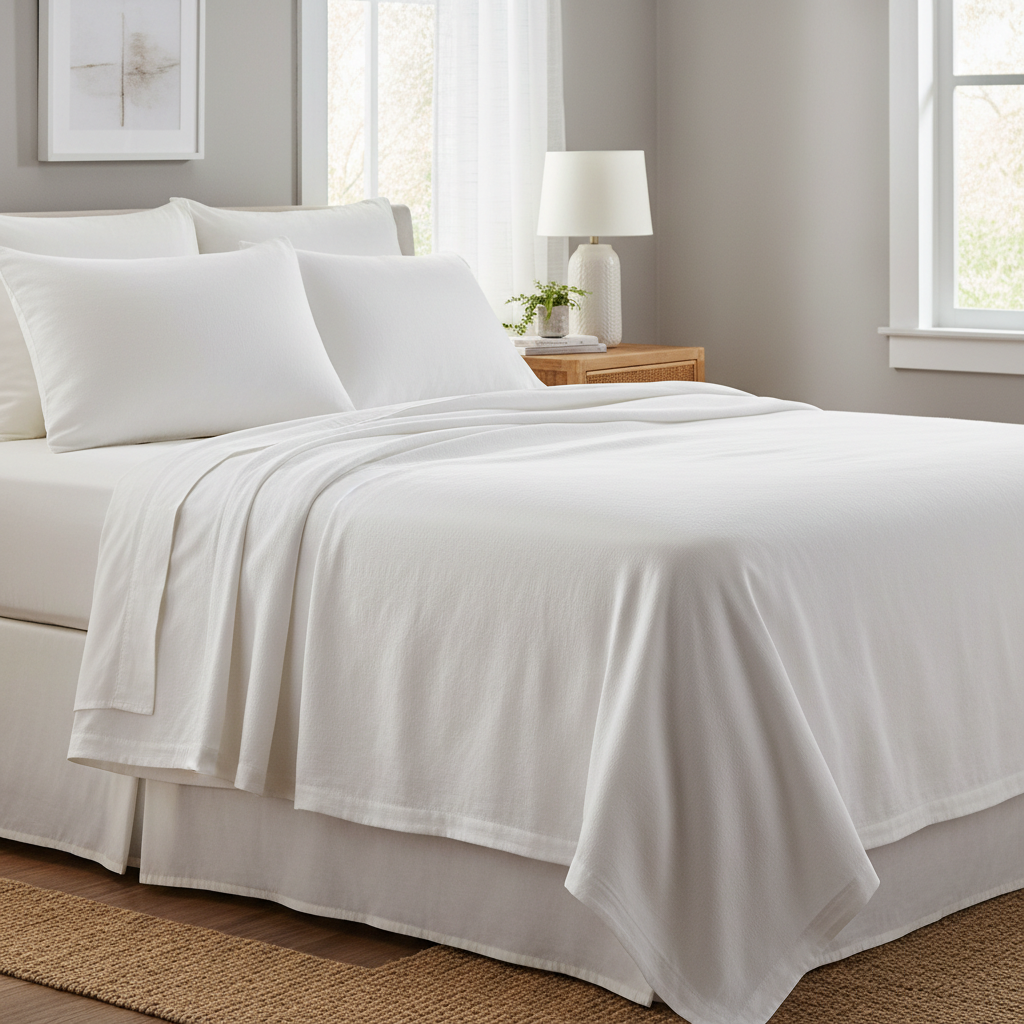
What “soft & breathable” really means in cotton sheets
Softness is the hand-feel against skin, breathability is how easily heat and moisture move through the fabric. You want both, but they’re influenced by different choices in manufacturing.
- Fiber quality: Longer-staple cotton (often marketed as long-staple, extra-long-staple, or “Egyptian” when verified) usually produces smoother yarn with fewer poky ends.
- Weave: Percale tends to feel crisp and airy, sateen tends to feel smoother and a bit warmer, gauze/voile can feel very breathable but less “hotel sheet” structured.
- Yarn and ply: Single-ply often feels lighter and can breathe better, multi-ply can feel heavier and sometimes masks lower quality cotton.
- Finishes: “Wrinkle-free,” “easy-care,” or heavily “brushed” finishes can change feel and airflow, and sometimes introduce sensitivity issues for some sleepers.
One more reality check: brand language is messy. “800 thread count” might look premium, but it can be a multi-ply marketing number that doesn’t translate to comfort.
Why cotton sheets can feel rough or sleep hot (even when they’re expensive)
If your cotton sheets aren’t delivering, it’s usually one of these scenarios.
- Too tight a weave for your body temperature: Sateen can feel silky, but many hot sleepers find it holds warmth more than percale.
- Finishing chemicals or resin: Wrinkle-resistant treatments may add a “coated” feel at first and can reduce airflow; some people prefer untreated or lightly finished cotton.
- Short-staple cotton: Short fibers mean more ends sticking out of the yarn, which can feel scratchier and pill sooner.
- Overweight fabric: Some “luxury” sets are simply heavier. That weight can drape nicely but may trap heat.
- Hard water + detergent buildup: Even good sheets turn dull and stiff when minerals and detergent accumulate.
According to the U.S. Federal Trade Commission (FTC), textile labels must disclose fiber content. That helps you confirm “100% cotton,” but it won’t tell you staple length, finishing, or weave quality, so you still need a smarter read of the product page.
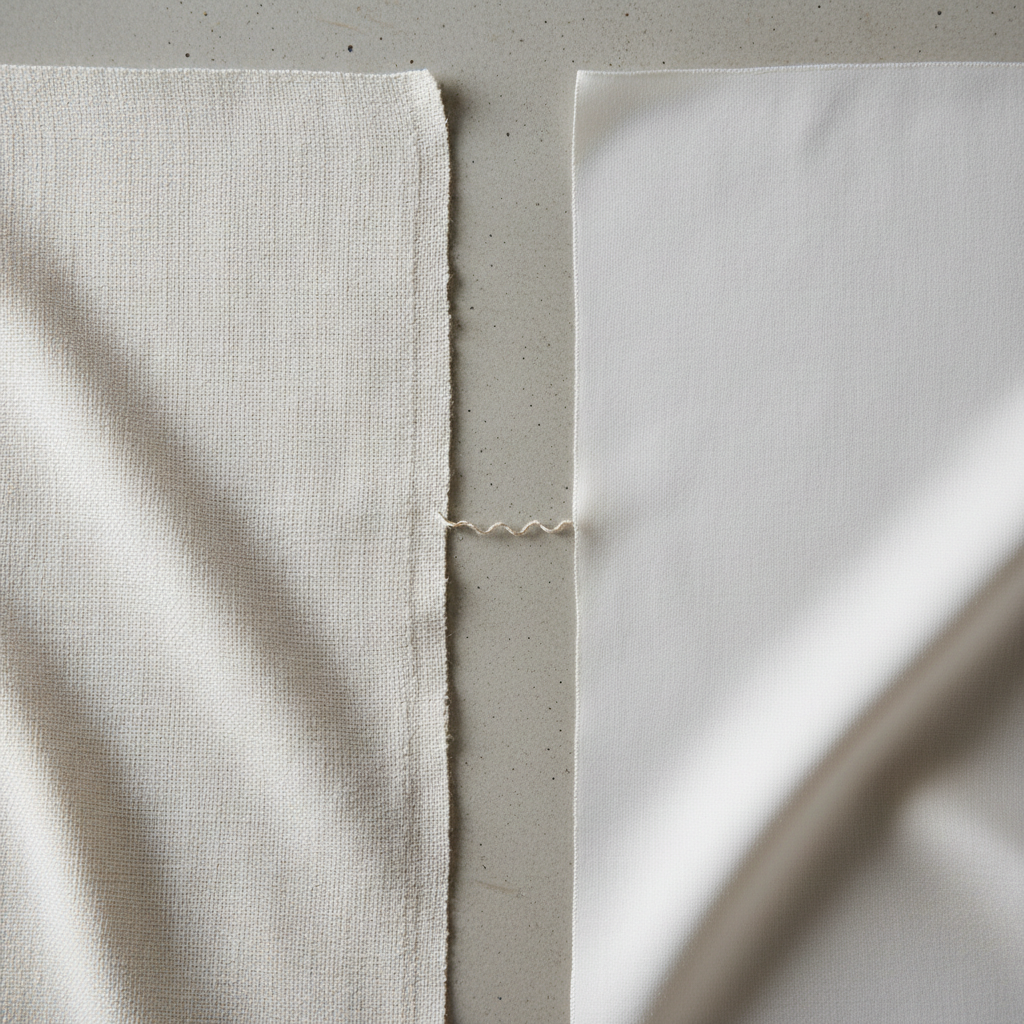
Quick self-check: which “best cotton bed sheets soft” profile are you?
This takes 30 seconds and saves a lot of returns.
- Hot sleeper or night sweats: Prioritize percale or a lighter-weight long-staple cotton, avoid heavy sateen and heavy finishes.
- Cold sleeper: Sateen or a slightly heavier cotton can feel cozy without jumping to flannel.
- Sensitive skin: Look for minimal finishes, OEKO-TEX or similar safety certifications, and avoid heavy fragrance laundry products. If you have allergies or skin conditions, it may be worth asking a clinician for guidance on triggers.
- You want “buttery soft” out of the package: Sateen often wins initially, but percale can become very soft after several washes.
- You hate wrinkles: Real talk, breathable cotton wrinkles. If you demand a crisp look, consider a slightly heavier percale and learn a quick dryer routine instead of chasing “wrinkle-free.”
Shopping checklist (2026): what to look for on product pages and labels
When you’re comparing sets, focus on a few signals that usually correlate with comfort, not hype.
1) Choose the weave based on sleep temperature
- Percale: cool, matte, “fresh” feel, great for summer or hot sleepers.
- Sateen: smooth, slightly lustrous, often feels warmer, great for people who want softness fast.
- Gauze/voile: airy and casual, excellent airflow, but not everyone likes the texture or look.
2) Treat thread count as a range, not a goal
- For many shoppers, 250–400 in percale and 300–500 in sateen is a practical comfort range.
- If you see very high numbers, check whether the brand mentions single-ply vs multi-ply, and whether they describe yarn quality clearly.
3) Look for long-staple or extra-long-staple cotton, but verify the language
- “Long-staple” is a useful hint, yet not always standardized. Brands that explain sourcing and construction tend to be more reliable than ones that only chase buzzwords.
- If “Egyptian cotton” is used, look for clear verification rather than vague claims.
4) Check for safety certifications if you’re sensitive
- OEKO-TEX Standard 100 is commonly cited for screening certain harmful substances. It’s not a comfort guarantee, but it can matter for sensitive users.
Comparison table: how common cotton sheet types feel
Use this as a fast filter before you dive into brand options.
| Type | Feel | Breathability | Best for | Watch-outs |
|---|---|---|---|---|
| Percale (cotton) | Crisp, smooth after break-in | High | Hot sleepers, “hotel” feel | Wrinkles, can feel cool at first |
| Sateen (cotton) | Silky, drapey | Medium | People who want softness fast | May sleep warmer, can snag |
| Brushed cotton | Soft, slightly fuzzy | Medium-Low | Cool rooms, cozy feel | Can pill, may trap more heat |
| Cotton gauze | Airy, relaxed texture | High | Humid climates, casual look | Less “crisp,” texture not for everyone |
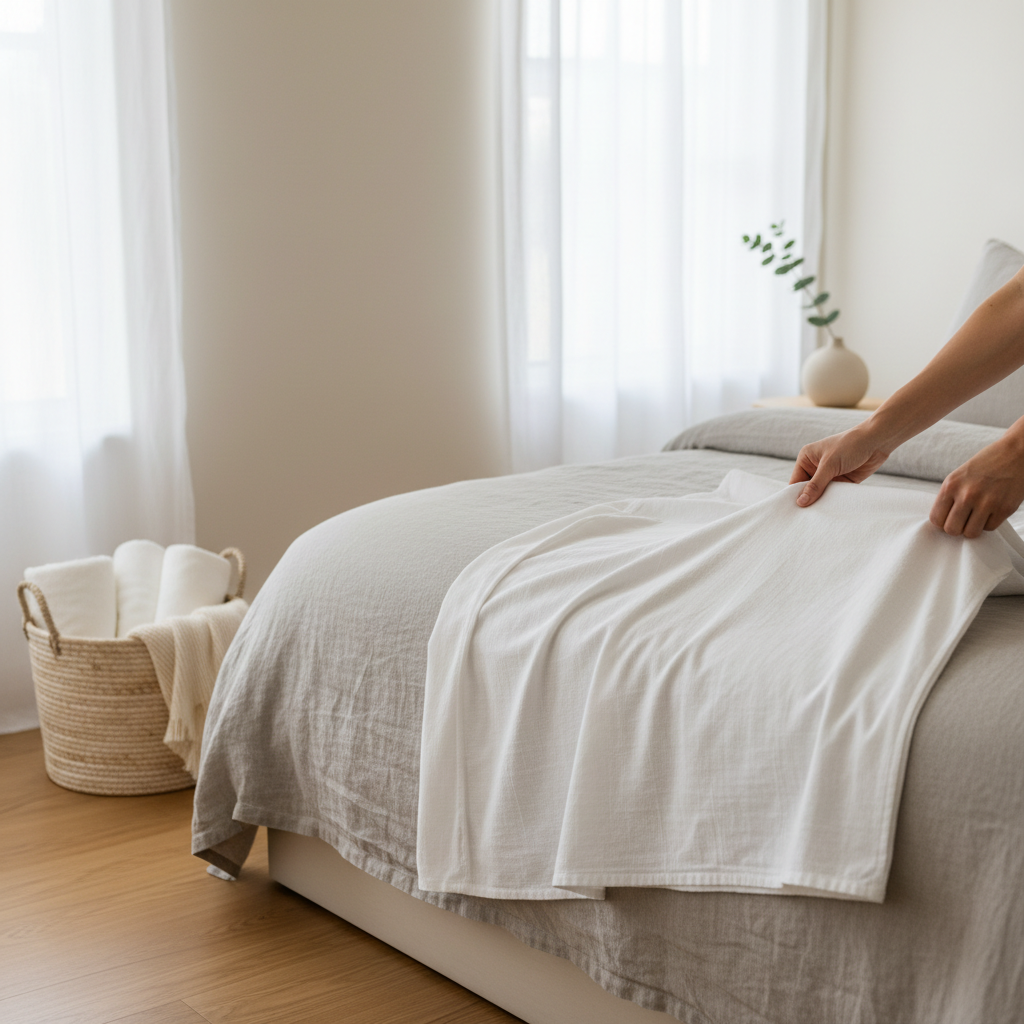
How to make cotton sheets feel softer and stay breathable (practical steps)
If you already own a set that feels “almost right,” laundering habits often make the difference.
- Wash before first use: Many new sheets have sizing or finish that rinses out over a couple washes.
- Use less detergent than you think: Too much detergent can leave residue that stiffens cotton and reduces airflow.
- Skip fabric softener in many cases: It can coat fibers and impact absorbency; dryer balls can help with softness without as much buildup.
- Warm wash, low-to-medium dry: High heat can stress fibers and lock in wrinkles, especially in percale.
- Remove promptly, then smooth by hand: This is the low-effort anti-wrinkle move that actually works.
- If you have hard water: Consider a rinse cycle or occasional laundry booster designed for mineral buildup; follow product directions carefully.
When people ask for the best cotton bed sheets soft, they often want “soft right now,” but the more breathable sets sometimes hit their stride after 3–6 washes.
Common mistakes that waste money
- Buying on thread count alone: It’s easy to game and doesn’t capture finishing or yarn quality.
- Assuming “100% cotton” equals soft: Fiber length, weave, and treatment still matter.
- Overcorrecting with heavy “cooling” marketing: Many “cooling” claims depend on finishes or blends; if you want simple airflow, a good percale is often the boring, reliable answer.
- Ignoring fit: Deep-pocket sheets that don’t match your mattress height can bunch up, feel rough, and trap heat.
When it’s worth getting extra help (or changing materials)
If you’re waking up drenched, dealing with persistent itching, or your sleep quality drops despite trying a few sheet types, it may be worth talking with a healthcare professional to rule out underlying causes. Bedding can help comfort, but it can’t solve every sleep or skin issue.
Also, if cotton consistently feels too warm in your climate, a different natural fiber might suit you better. Linen, for example, often feels cooler and dries fast, but the texture is more “textured” than cotton and not everyone loves it.
Key takeaways (save this before you shop)
- Percale usually wins for breathability, sateen usually wins for instant smoothness.
- Long-staple cotton plus a sensible thread count range often beats inflated numbers.
- Wrinkle-resistant finishes can trade away some airflow and “natural” feel.
- Small laundry tweaks can turn decent cotton into genuinely comfortable sheets.
If you want the best cotton bed sheets soft for 2026, pick your weave based on temperature, buy from brands that explain construction clearly, and plan on a short break-in period rather than chasing perfection out of the package.
Your next step: choose one target feel (cool and crisp, or silky and cozy), then filter options by weave and staple length before you even look at thread count.
FAQ
What thread count is best for soft cotton sheets that still breathe?
Many people land happily around 250–400 for percale and 300–500 for sateen. Past that, comfort depends more on yarn quality and whether the number is inflated by multi-ply construction.
Do percale sheets get softer over time?
Usually, yes. Percale can feel crisp at first, then relax after several washes as finishes rinse out and fibers settle, while staying breathable.
Is sateen always too hot for summer?
Not always, but it can sleep warmer for a lot of hot sleepers because of its weave and drape. If you run warm, a lighter sateen or switching to percale often feels safer.
Are “wrinkle-free” cotton sheets less breathable?
They can be. Wrinkle resistance often relies on treatments that change the fabric hand and sometimes reduce airflow; if breathability is priority one, look for minimal-finish cotton.
What does long-staple cotton change in real life?
It often means smoother yarn with fewer ends sticking out, which can feel softer and pill less. It’s not magic, but it’s one of the more useful quality clues when a brand is transparent.
How can I soften cotton sheets without fabric softener?
Use less detergent, avoid overdrying, and consider dryer balls. If you suspect buildup, an extra rinse can help more than adding another product.
Why do my cotton sheets feel scratchy after washing?
Detergent residue and hard-water minerals are common culprits. Try dialing back detergent, adding an extra rinse, and checking whether your water is hard enough to justify a targeted laundry approach.
If you’re trying to narrow down the best cotton bed sheets soft without spending a weekend comparing confusing specs, it helps to start with your sleep temperature and skin sensitivity, then shortlist two weaves and one realistic thread-count range before you shop.