
Best storage ideas for small bathrooms usually come down to one thing, using “ignored” space so your daily stuff stops living on the counter. You don’t need a full remodel to get there, but you do need a plan that matches your bathroom’s layout and your tolerance for drilling.
Small bathrooms feel messy faster because every item is visible, and humidity punishes flimsy organizers. The good news, a few high-impact changes, like vertical storage and tighter categories, can make a tight room feel calmer within a weekend.
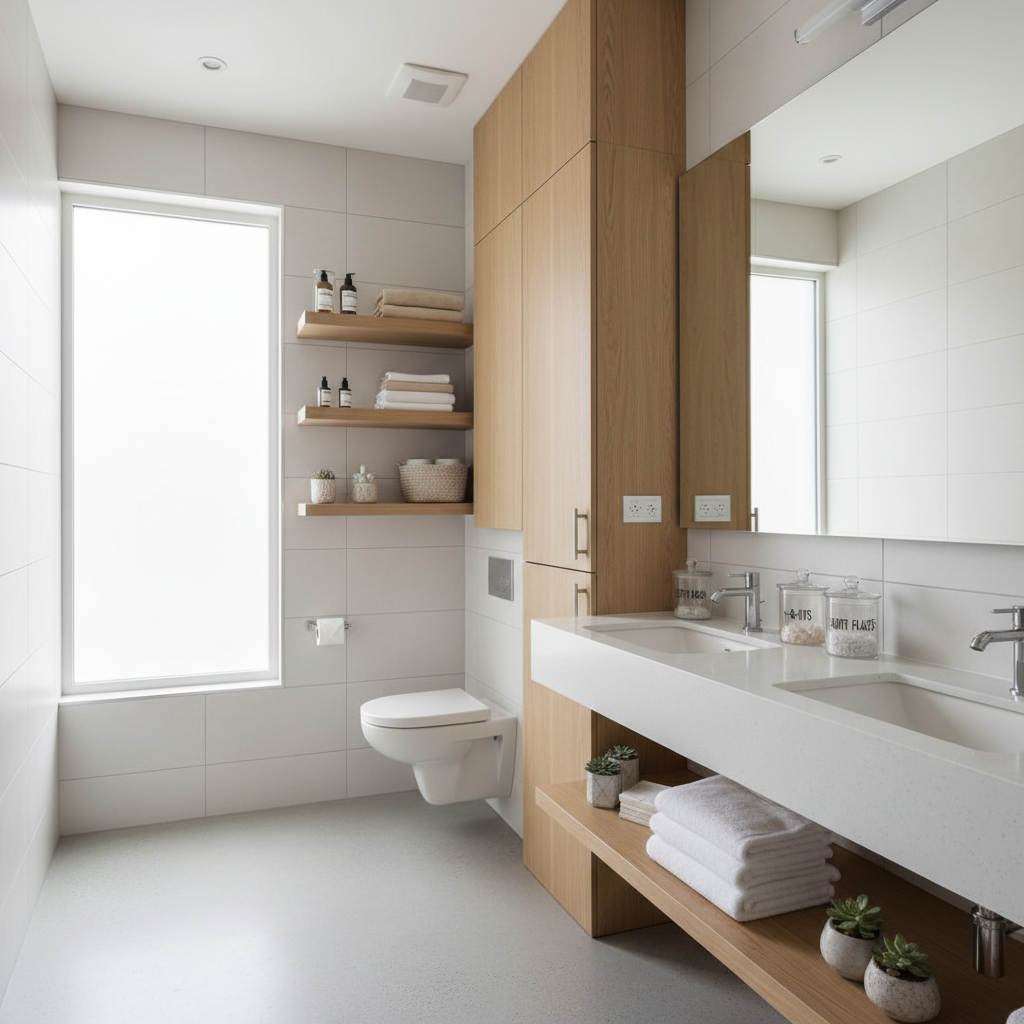
I’ll walk through practical options that work in most U.S. apartments and older homes, plus a quick way to choose what fits your space. I’ll also flag common mistakes, because buying more bins can sometimes create more clutter, not less.
Start with the space you already have (and stop fighting the layout)
Before you shop, take two minutes to identify where your bathroom can actually “carry weight.” Most small bathrooms have the same usable zones, even when the square footage changes.
- Vertical wall space above the toilet, above the door, and beside the mirror
- Back-of-door space for slim racks and hooks
- Under-sink volume that needs structure (not more piles)
- Shower walls that can hold caddies or corner shelves
- Dead corners that fit narrow towers or rolling carts
According to Consumer Product Safety Commission (CPSC) guidance on tip-over prevention, tall or heavy storage should be secured to reduce the risk of falling. In a bathroom, that usually means anchoring a narrow cabinet or choosing a sturdier, lower profile piece if you can’t drill.
Quick self-check: which “small bathroom problem” is actually yours?
Different clutter needs different storage, so this is the fastest way to avoid buying the wrong thing. Pick the closest match, you can be in more than one category.
- No counter space: sink edge is crowded, toiletries migrate to the tub
- No drawer space: makeup, skincare, and meds float between bags
- Too many duplicates: three half-used shampoos, extra razors, “just in case” items
- Shared bathroom: multiple routines collide, nothing has a home
- Renter constraints: you need no-drill, removable options
If “duplicates” is your top issue, storage will help, but a tighter inventory helps more. If “shared bathroom” is the pain, labels and zones beat fancy organizers.
High-impact storage upgrades (the ones you notice daily)
If you only do a few changes, start here. These tend to deliver the biggest “it feels bigger” effect for small spaces.
1) Over-the-toilet shelving that fits your depth
Over-the-toilet units work because they use air space, but the wrong depth makes the room feel cramped. Measure from the wall to the front edge of the toilet tank, then choose a shelf that doesn’t protrude much beyond that line.
- Keep everyday items on the lowest shelf, backups up higher
- Use matching bins to reduce visual noise
- Avoid open stacks of towels if you hate dust and humidity
2) A mirror cabinet, not just a mirror
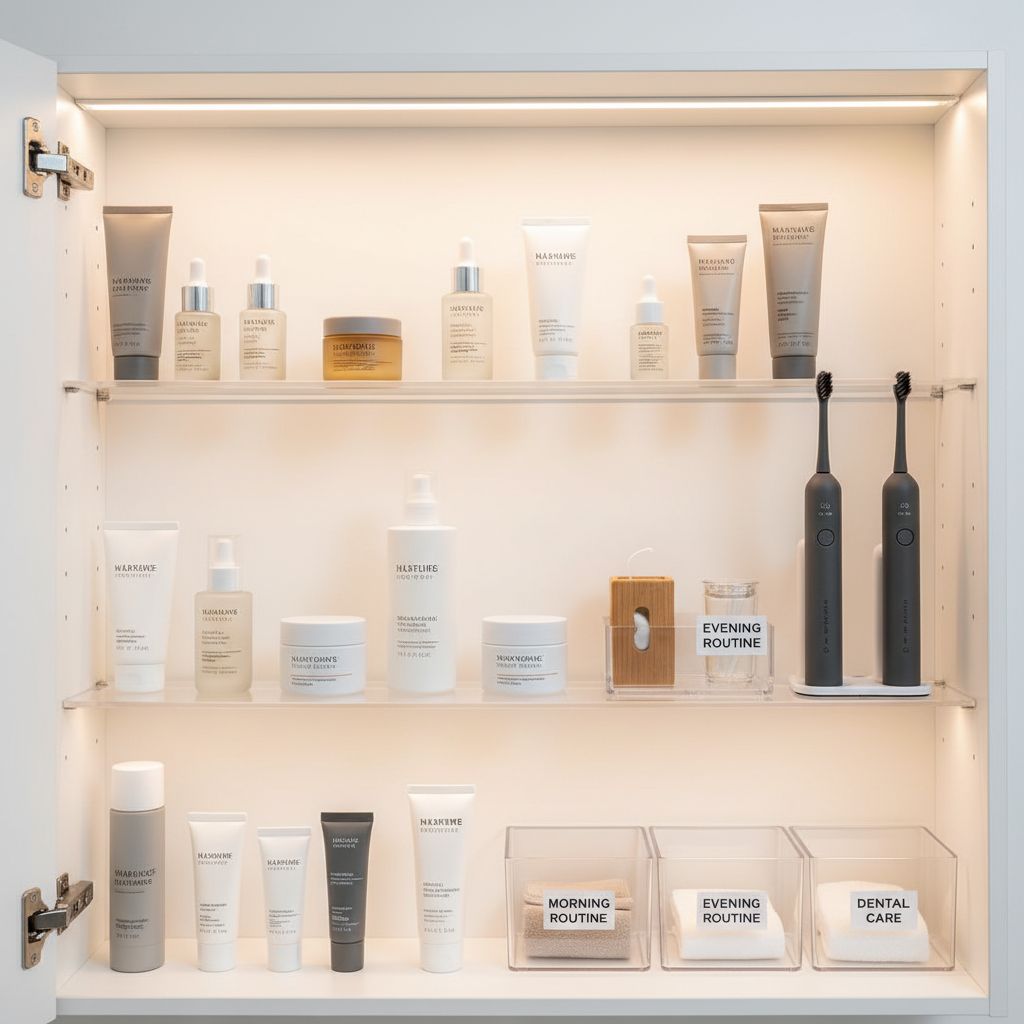
Swapping to a recessed or surface-mount medicine cabinet can be one of the best storage ideas for small bathrooms, because it adds hidden volume at eye level. If you rent, a surface-mount cabinet often works without opening the wall, though you still may need anchors.
Keep it simple inside, one shelf for daily, one for weekly, and a small bin for “rarely.” If everything is “daily,” nothing is.
3) Shower storage that drains and dries
Humidity is the silent organizer killer. Prioritize shower caddies and shelves with drainage holes and rust-resistant materials, and avoid anything that traps water against tile or grout.
- Tension pole caddies: great for corners, no drilling, good capacity
- Hanging caddies: quick install, but can rattle and scratch if flimsy
- Corner shelves: clean look, best when properly anchored
According to EPA, controlling moisture helps reduce mold growth, which is a practical reason to choose storage that dries fast and to avoid overstuffing the shower area.
Under-sink storage: the make-or-break zone
Under-sink space looks generous, but the plumbing steals the best real estate. The trick is building “levels” so you can see and reach everything.
Use this simple setup
- U-shaped shelf or two small risers around the pipes
- Two pull-out bins: one for hair tools, one for backups
- A small lidded box for first aid or personal items
One rule that keeps this area usable, avoid storing items that leak or rust directly on the cabinet floor. Put them in a tray so a small spill doesn’t become a gross mystery later.
Space-saving ideas by category (so stuff stops migrating)
When people ask for the best storage ideas for small bathrooms, they often mean “where do I put the awkward stuff?” Here are solutions by item type.
Hair tools and cords
- Wall-mounted heat-safe holder, installed away from splashes
- A bin with a built-in cord wrap under the sink
- Command-style hooks for cords if the surface allows proper adhesion
For safety, store hot tools only after they cool. If you’re unsure about placement near outlets or water, it’s reasonable to ask an electrician or your building maintenance.
Toilet paper and tissues
- Vertical floor stand with reserve roll storage
- Over-toilet basket for extra packs, kept in a closed bin if your bathroom gets dusty
Makeup and skincare
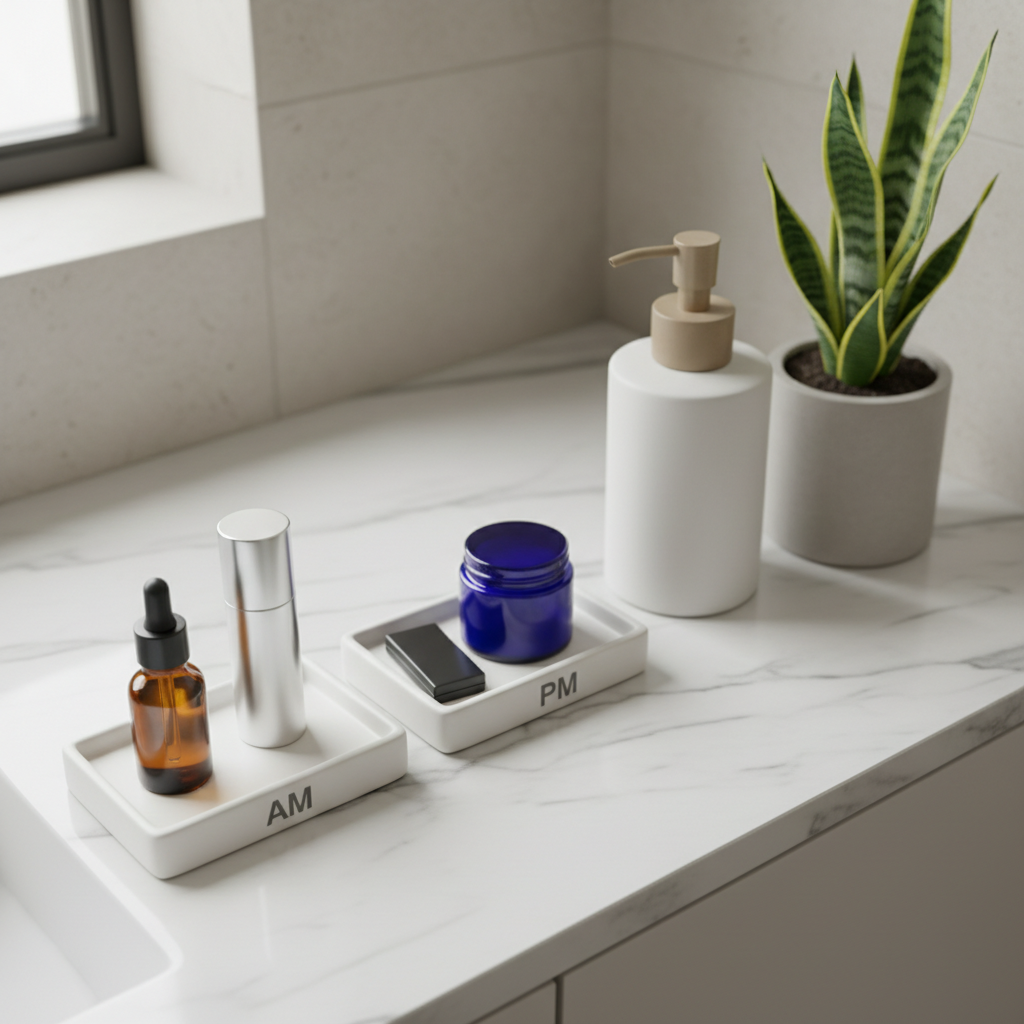
- One small “AM” tray and one “PM” tray, swap seasonally if needed
- Drawer dividers if you have drawers, otherwise a shallow bin inside the cabinet
- Keep backups in a separate container so daily use stays clean
What to buy (and what to skip): a practical comparison table
Not every organizer earns its footprint. Use this as a quick filter before you click “add to cart.”
| Storage solution | Best for | Watch-outs | Renter-friendly? |
|---|---|---|---|
| Over-the-toilet shelf | Extra towels, backups, décor that hides clutter | Too deep can crowd the room | Usually yes |
| Medicine cabinet | Daily toiletries, meds, small items | Install may need anchors or wall work | Sometimes |
| Tension pole caddy | Shower bottles in corners | Can slip if not tightened well | Yes |
| Pull-out under-sink bins | Backups, cleaning supplies, hair tools | Measure around plumbing first | Yes |
| Over-the-door organizer | Small items, styling products, extra brushes | Door may not close if too thick | Yes |
A simple 60-minute reset you can actually maintain
If your bathroom gets messy again after a week, it’s usually because the “homes” are vague. This reset focuses on clarity over perfection.
- Step 1: Clear the counter completely, keep only soap and one daily tray
- Step 2: Make three piles, daily, weekly, backups
- Step 3: Put daily at eye level, weekly under sink, backups highest or deepest
- Step 4: Create one “quarantine bin” for items you’re not sure about, revisit in 2 weeks
The quarantine bin sounds silly, but it reduces decision fatigue, and it stops half-used products from becoming permanent counter residents.
Common mistakes that waste space (even with good organizers)
- Buying containers before measuring: under-sink storage fails most often because of plumbing clearance
- Storing everything where you can see it: open storage looks cluttered fast in a tiny room
- Ignoring humidity: cardboard, untreated wood, and low-grade metal age poorly in bathrooms
- Too many categories: if sorting feels like filing taxes, you won’t keep it up
- Overloading adhesive hooks: they fall, and they can damage paint or tile
If you want the “spa” look, it’s less about fancy jars and more about fewer items, consistent containers, and clear zones.
When it’s worth calling in a pro (or at least asking for help)
Most storage upgrades are DIY, but some situations deserve a little caution.
- If you want to add shelving into tile or stone, a handyman can prevent cracks
- If an outlet is close to a new storage area, consult an electrician about safe placement
- If you see recurring moisture, peeling paint, or suspected mold, it may be smart to talk with a qualified professional before adding more closed storage
Storage should make the room easier to clean, not create hidden damp zones that cause bigger problems later.
Key takeaways to keep your bathroom feeling bigger
- Use vertical space first, then optimize under-sink storage with levels
- Match solutions to your real problem, counter crowding, shared routines, or renter limits
- Choose materials that handle humidity, and prioritize drainage in the shower
- Keep daily items visible, backups hidden so the room looks calmer
Most people don’t need more storage, they need better “addresses” for what they already own. Pick one zone to fix this week, usually the counter or the under-sink area, and the rest gets easier fast.
If you’re ready to act, measure two spots today, the toilet-to-wall depth and the under-sink clearance, then choose one upgrade that solves your biggest pain point.
FAQ
What are the best storage ideas for small bathrooms if I can’t drill holes?
Look at tension pole shower caddies, over-the-door racks, and freestanding over-the-toilet shelves. They add capacity without permanent changes, just measure so doors still close and the unit doesn’t feel bulky.
How do I organize a small bathroom with no cabinet space?
Go vertical and shallow, a mirror cabinet (surface-mount if needed), a slim shelf above the toilet, and a small tray on the counter for daily items. Keeping backups elsewhere, like a linen closet, often matters more than squeezing them in.
Is open shelving a bad idea in a tiny bathroom?
Not always, but open shelves show clutter immediately. If you love open shelving, use matching bins and limit it to towels or a few daily items, then keep the rest behind doors.
How do I store towels in a small bathroom?
If you don’t have a linen closet, over-the-toilet shelving or wall-mounted hooks work well. Rolled towels can look neat, but only if you can commit to keeping the stack small.
What’s the best way to organize under the sink with plumbing in the way?
Use U-shaped shelves or smaller risers that can sit around the pipes, then add two pull-out bins for categories. A tray at the bottom helps with leaks and makes cleaning easier.
How can I make my small bathroom look less cluttered without buying anything?
Reduce what lives on the counter, create one “daily” zone, and move backups out of sight. Even a simple rule like “one shampoo in the shower, the rest stored elsewhere” can change the feel quickly.
Are adhesive hooks and shelves safe in humid bathrooms?
They can be, but performance depends on surface type, prep, and weight. Follow the manufacturer instructions closely, and avoid using them for heavy items or where water hits directly.
If you’re staring at your bathroom and thinking, “I just want it to feel normal again,” start with one upgrade that removes items from the counter, then build storage around your routine instead of around products, that’s where small bathrooms usually turn the corner.