
Best sofa beds for small living rooms usually come down to one thing: how well they balance daily seating with a sleep setup that doesn’t punish your floor plan.
If you live in a studio, a city apartment, or a “living room that also does everything else,” you already know the pain points, bulky frames that block walkways, mattresses that feel like a compromise, and mechanisms that are annoying to use at midnight.
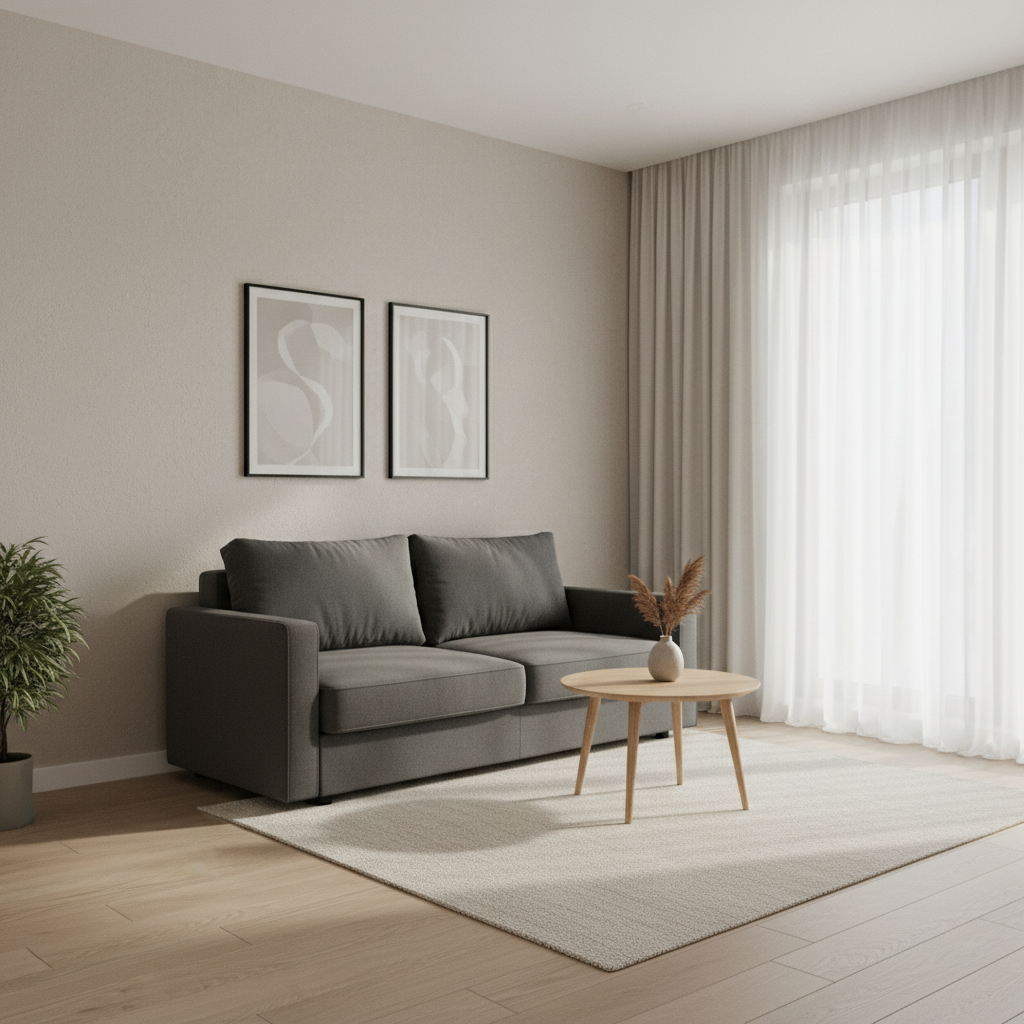
This guide focuses on what actually matters in 2026 shopping, sizing that’s real-world usable, comfort you can predict before you buy, and materials that hold up. I’ll also call out the common traps people fall into, like prioritizing “small footprint” and ending up with a bed nobody wants to sleep on.
What makes a sofa bed genuinely “small-room friendly”
In tight spaces, the best sleeper isn’t always the smallest sofa, it’s the one that opens without rearranging your life. These are the features that tend to separate the winners from the returns.
- Open clearance: measure how far the bed extends, and whether it needs extra space behind the sofa (some mechanisms do).
- Walkway reality: many homes need a 24–30 inch path for daily movement, your layout decides what’s workable.
- Seat depth vs. sleep length: shallow seats save space, but can feel perch-y for lounging, meanwhile short sleepers can be fine for guests, not for you nightly.
- Mechanism effort: if it takes two people, you’ll stop using it. Look for one-person operation.
- Mattress type: memory foam often feels better in thin profiles, innerspring can sag if it’s ultra-thin or cheaply supported.
According to UL (Underwriters Laboratories), upholstered furniture safety and testing standards focus on reducing hazards like flammability risks, so if you’re comparing brands, it’s worth checking whether products mention recognized compliance or testing programs rather than vague “safe materials” claims.
Quick sizing: pick the right sleeper size for your room
Most shoppers get stuck because “twin/full/queen” sounds simple, then the opened-bed footprint surprises them. Start with the size your room can handle, then shop within that lane.
| Best for | Sleeper size | Typical comfort expectation | Small-room note |
|---|---|---|---|
| One guest, rare use | Twin | Okay for 1–2 nights | Easiest to fit, but narrow |
| One adult, occasional weekends | Full | Often “good enough” if mattress is foam | Common sweet spot for apartments |
| Couple visiting, more frequent | Queen | Depends heavily on thickness/support | Can crowd the room when open |
If you’re deciding between Full and Queen, a lot of small living rooms do better with Full plus a better mattress, instead of a Queen that forces awkward furniture placement.
Best sofa bed types for small living rooms (and who they suit)
“Sofa bed” is a messy category. In practice, you’re choosing between a few mechanisms and build styles, each with trade-offs you should accept upfront.
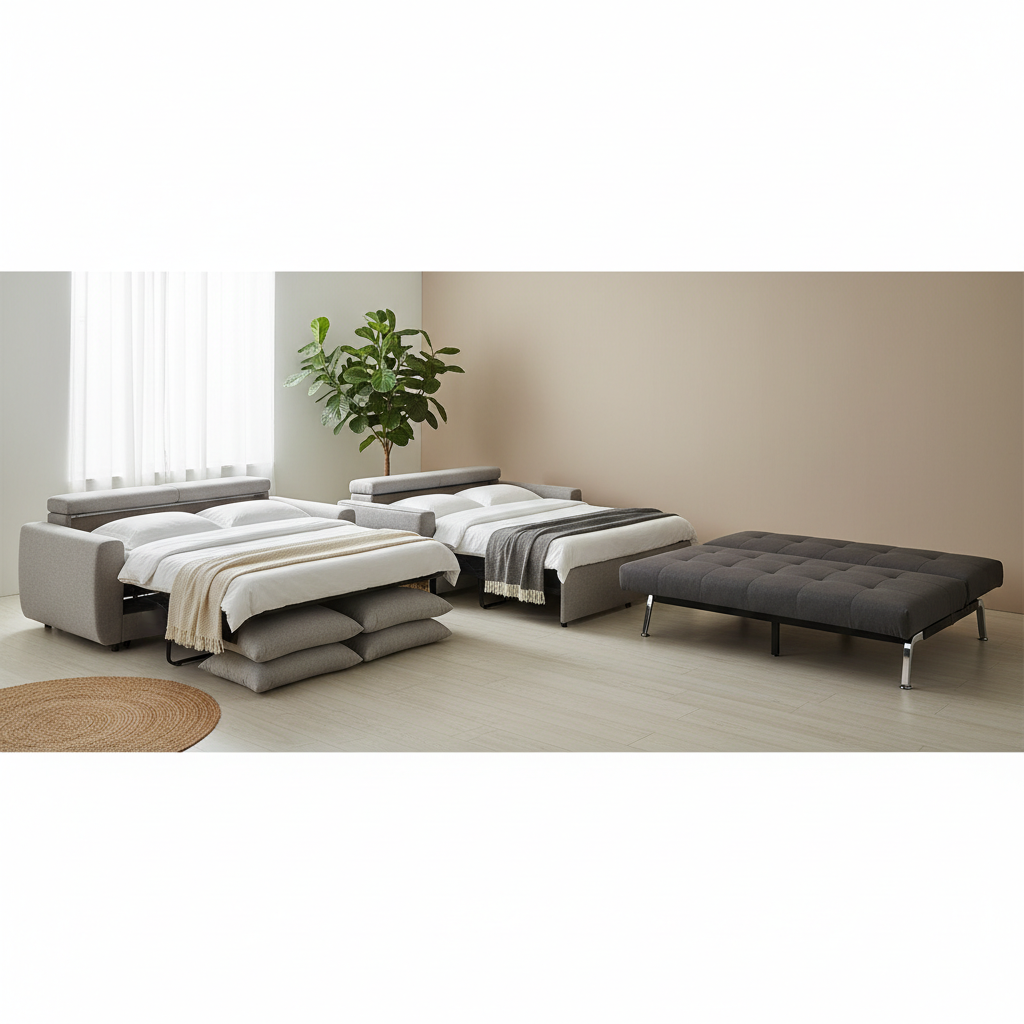
1) Futon-style (click-clack)
These are usually simple, affordable, and light enough for rentals. Comfort varies wildly, and the back angle can feel stiff for sitting.
- Good for: very tight budgets, temporary setups, light guest use
- Watch for: thin padding over hard frame lines, squeaky hinges
2) Pull-out sleeper (traditional fold-out mattress)
This is the “classic” sofa bed. In a small room, it can be great if the mechanism is smooth and the mattress isn’t paper-thin. It can also be the heaviest option.
- Good for: guests who actually need a real mattress feel
- Watch for: bar-in-the-back feeling, poor edge support
3) Convertible sofa with pop-up platform
These often turn from sofa to lounge to bed with a platform that lifts or slides. They’re popular because they look modern and usually open fast.
- Good for: frequent hosting, people who hate complicated pull-outs
- Watch for: seams down the middle, platform slats you can feel
4) Daybed/trundle hybrid (if “living room” is also a guest room)
Not always a sofa look, but in some homes it’s the most space-efficient sleep solution. Works best when you can lean into the aesthetic.
- Good for: long-term guest setup, multipurpose rooms
- Watch for: height differences between sleep surfaces, storage needs
How to choose comfort in 5 minutes (without lying to yourself)
People often over-focus on fabric swatches and ignore the parts that decide whether guests wake up cranky. Quick checklist, do it before you fall for a “looks cute” option.
- If it’s for adults: avoid ultra-thin mattresses when you can’t test in person, many thin builds feel fine for kids and rough for adults.
- Ask what supports the mattress: metal bars, wire grid, wood slats, or platform panels. Bars and wide gaps are the usual culprits for pressure points.
- Check seat cushioning: if the sofa feels great but the bed is separate and thin, guests still suffer. If the bed is great but the seat is stiff, you suffer daily.
- Look for real return terms: sofa beds are hard to re-box, “returnable” can still mean expensive pickup fees.
- Be honest about frequency: monthly guests deserves a different build than once-a-year holidays.
For many shoppers, the most practical path is selecting a model where you can upgrade comfort with a thin mattress topper stored in a closet, rather than chasing a unicorn sleeper that’s perfect at everything.
Real-world buying checklist: measure, plan delivery, avoid the classics
Before you hit “buy,” run this quick sequence. It catches most of the expensive mistakes, especially in older buildings and walk-up apartments.
Measure (more than you think you need)
- Doorways and tight turns: measure width and diagonal clearance in hallways.
- Elevator: interior height/width, door opening, and whether the building restricts move-in hours.
- Open-bed footprint: tape it on the floor with painter’s tape, include side clearance to stand up.
Plan for daily use
- Where bedding lives: if you don’t have storage, choose a model with under-seat storage or plan a slim bin.
- Rug strategy: some mechanisms catch on thick rugs, a low-pile rug is usually less annoying.
- Wall protection: sleepers that open forward can scuff walls if they’re too tight.
According to FTC guidance on online shopping, clear understanding of return policies and fees matters before purchase, so read the fine print for pickup costs, restocking, and what “original packaging” really means for a large item.
Setup tips that make small-room sofa beds feel bigger
You can make even the best sofa beds for small living rooms feel cramped if the room layout fights the mechanism. A few small changes usually help more than people expect.
- Float the sofa a few inches off the wall if the bed needs clearance, this can prevent scraping and make opening smoother.
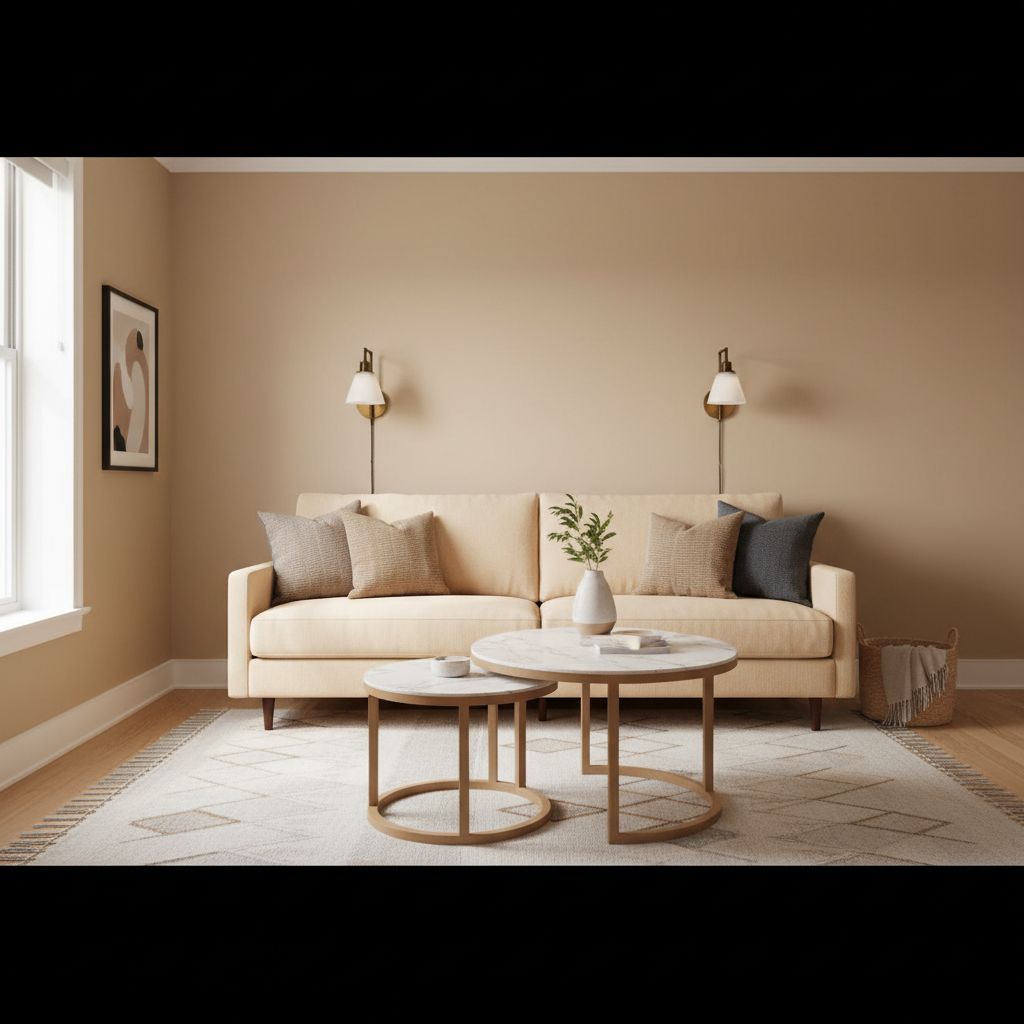
- Use nesting tables instead of a fixed coffee table, you’ll regain space when the bed is open.
- Switch to wall-mounted lighting if floor lamps block the bed pathway.
- Choose armless or slim-arm designs, visually lighter, and often buys you a few inches on each side.
If you host often, keep a small “guest kit” nearby, fitted sheet, pillowcases, a light blanket. It sounds basic, but it reduces the friction that makes people stop using the sleeper at all.
Common mistakes (and what to do instead)
A lot of frustration comes from predictable missteps, and the fix is usually a different decision, not “try harder.”
- Mistake: buying based on closed-sofa width only. Instead: prioritize the open-bed layout and clearance first, then pick the nicest sofa that fits.
- Mistake: assuming “queen sleeper” means hotel comfort. Instead: check mattress type and support, and plan on a topper if guests stay more than one night.
- Mistake: ignoring weight.
- Instead: if you expect to move within a couple years, consider lighter convertible designs or modular sleepers.
- Mistake: choosing trendy fabric without lifestyle reality. Instead: if you have pets or kids, look for tighter weaves and performance fabrics that clean more easily.
Conclusion: the “best” choice is the one you’ll actually open and use
The best sofa beds for small living rooms aren’t defined by hype, they’re defined by fit, comfort you can predict, and a mechanism that doesn’t become a chore. If you do one thing today, tape out the open-bed footprint on your floor, it makes the right size obvious. Then shortlist two or three styles that match how often you host, and read the return and delivery terms like you’re looking for a catch, because sometimes there is one.
If you want a quicker decision, pick your sleeper size first, then choose between a pull-out for a more “traditional bed” feel or a pop-up convertible for faster daily usability, both can work in 2026, as long as you buy for your room’s reality.