
Best silicone baking mats non stick options all solve the same annoying problem: parchment that slides, greasy pans that still stick, and cookies that bake unevenly because heat hits the tray differently every time.
If you bake even a little, a good mat becomes one of those quiet upgrades you notice on day one, less sticking, fewer scorched bottoms, and a lot less scrubbing. But not all silicone mats behave the same, some feel slippery, some brown oddly, and some warp or hold odors if you treat them like a sheet pan.
This guide helps you pick the right type for your baking style, compare features that actually matter, and use them in a way that keeps the “non-stick” promise from fading after a month.
What “non-stick” really means with silicone mats
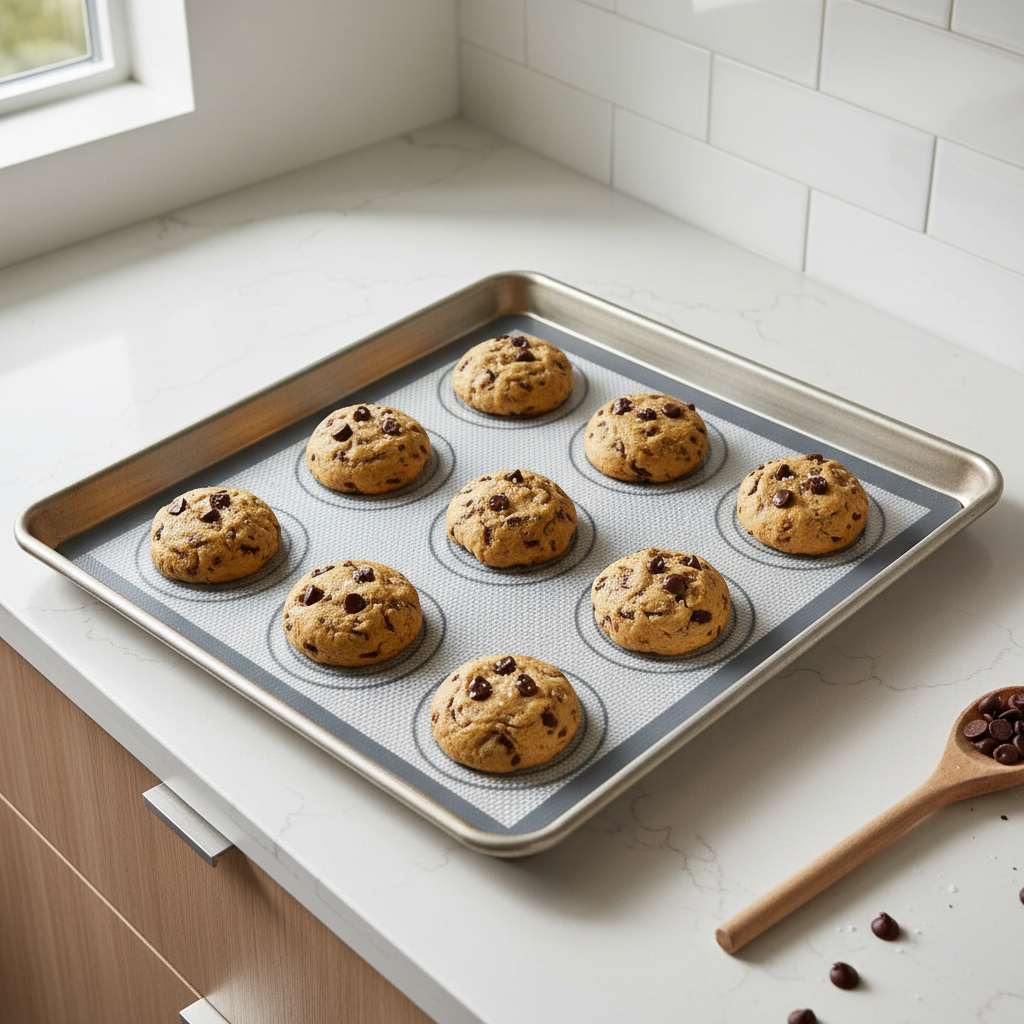
Silicone mats are usually fiberglass mesh coated with food-grade silicone. The mesh helps stability and heat distribution, the silicone provides release. Non-stick here means most baked goods should lift cleanly with little to no added oil, not that every sticky sugar will magically slide off while it’s still hot.
Two practical realities matter more than marketing:
- Release improves after cooling, especially for caramelized sugar, cheese, and brittle-like candy.
- Silicone changes browning, often reducing bottom browning compared with bare metal, which can be good for cookies but tricky for items that need a crisp base.
According to the U.S. Food & Drug Administration (FDA), silicone used as a food additive and in food-contact applications is regulated; still, product quality varies, and you want reputable brands that clearly state temperature limits and care instructions.
How to choose the best silicone baking mats non stick for your kitchen
Most shoppers get stuck on brand names, but the better approach is to match the mat to your pans and what you bake most often. Here are the specs that tend to separate “fine” from “I’ll buy another one.”
Size and fit (half-sheet vs quarter-sheet)
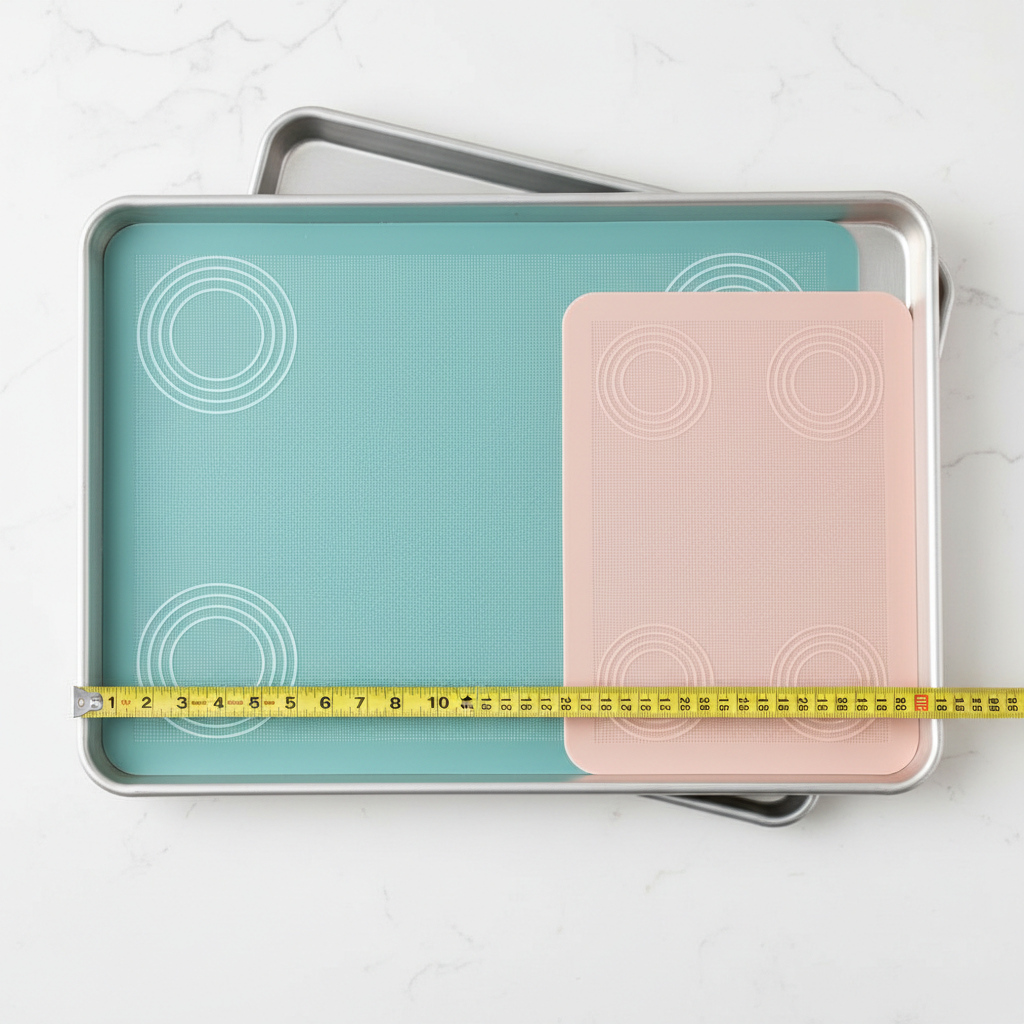
- Half-sheet (typically for 18 x 13 in pans) fits most U.S. home ovens and is the everyday workhorse.
- Quarter-sheet works better for toaster ovens or small-batch baking.
- Skip “one-size” mats if they don’t lie flat on your tray; edges that curl can affect airflow and browning.
Thickness and stiffness
- Thicker mats can feel more durable and may lay flatter, but they can also slow heat transfer slightly.
- Very thin mats sometimes wrinkle or bubble if your pan warps at high heat.
Temperature rating and real-world use
Many mats claim high heat tolerance, but your best bet is to stay within the manufacturer’s stated range. For most home baking, you’ll be living around 300–425°F anyway. If you regularly roast at higher temps, you may prefer parchment for those sessions.
Odor resistance and “silicone taste”
Some silicone can pick up dish soap residue or odors from greasy foods. Neutral-smelling silicone and good cleaning habits matter. If you’re sensitive to off flavors, look for mats that emphasize platinum-cured silicone or low-odor materials, and be ready to baby them a bit.
Quick comparison table: what matters most
This table is a simple way to narrow your options without overthinking it.
| Feature | Why it matters | Best for | Watch out for |
|---|---|---|---|
| Half-sheet size | Fits standard U.S. sheet pans | Cookies, roasted veggies at moderate heat | Generic sizes that leave gaps or overhang |
| Fiberglass mesh core | Stability, more even baking | Macarons, pastry, consistent batches | Mats that feel floppy and stretch |
| Clear temp rating | Reduces scorching and material breakdown | Frequent bakers, high-heat users | Vague “high heat” claims with no number |
| Easy-clean surface | Saves time, less residue buildup | Sticky doughs, cheese bakes | Using abrasive scrubbers that dull silicone |
Self-check: which type of mat do you actually need?
Before you buy, answer these quickly. Your “yes” answers point to the features worth paying for.
- You bake cookies weekly: prioritize flat-lay stiffness, reliable release, and a half-sheet size.
- You make macarons, choux, or delicate pastry: look for mats with printed guides or very consistent mesh.
- You roast oily foods on trays: consider keeping a separate mat for savory to avoid lingering odors.
- You want crisp pizza or browned pastry bottoms: you may still prefer a pizza stone/steel or parchment, silicone can soften browning.
- You use a dishwasher for everything: choose a mat that explicitly allows it, but expect hand-washing to keep it nicer longer.
If you’re shopping specifically for the best silicone baking mats non stick for cookies, most of the time the “best” is the one that fits your sheet pan perfectly and cleans easily without holding grease.
How to use silicone baking mats for better results (and fewer surprises)
People often blame the mat when the real issue is heat, spacing, or the wrong recipe for the surface. A few adjustments usually fix it.
For cookies
- Chill dough a bit if it spreads too much; silicone can encourage spread with buttery doughs.
- Give cookies a minute to set on the tray, then lift; trying to peel too soon can tear soft centers.
- If your bottoms look pale, try moving the rack one level lower or switching to a lighter-colored aluminum pan.
For sticky items (caramel, cheese, honey glazes)
- Let it cool longer than you think, release is usually easiest once sugars firm up.
- Use warm water soak, not aggressive scraping.
For roasting vegetables
- Expect slightly softer browning; if you want more char, roast directly on the pan or use parchment.
- Don’t use the mat under a broiler unless the manufacturer clearly allows it, direct radiant heat can be harsh.
Cleaning and care: how to keep mats truly non-stick
Residue buildup is what turns a good mat into a “why is everything sticking now?” mat. It’s usually a thin grease film, not a failure of silicone.
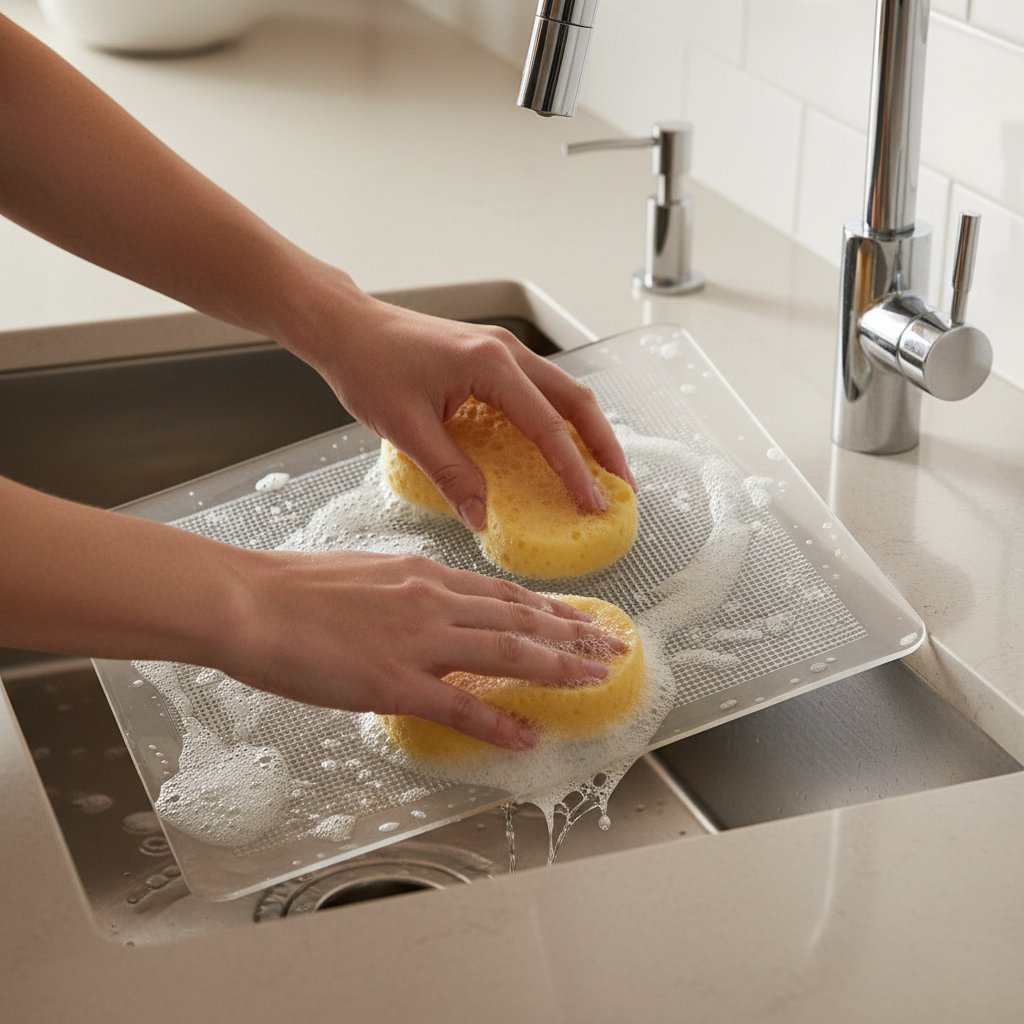
- Wash with hot water and mild detergent, then rinse thoroughly; soap residue can cling and create off tastes.
- Degrease when needed: a baking-soda paste or a short soak can help lift oily film. Avoid harsh abrasives that roughen the surface.
- Dry fully before storing, trapped moisture can lead to smells.
- Store flat or loosely rolled, tight folds can create permanent creases.
Some people prefer a quick “heat dry” in a warm oven for a few minutes after washing, it can help drive off lingering odors, but keep temps gentle and within the brand’s guidance.
Common mistakes that make silicone mats feel “not non-stick”
- Using cooking spray on the mat: sprays can polymerize and leave a stubborn film that actually increases sticking over time.
- Placing the mat on an unsteady or warped pan: uneven contact can create hot spots and odd browning.
- Cutting on the mat: even if it doesn’t slice through, micro-cuts can become residue traps.
- High-heat use beyond the rating: silicone can discolor and hold odors if pushed too hard.
- Assuming it replaces every surface: for crisping and searing, silicone often isn’t the right tool.
If you’ve tried a mat before and hated it, it’s still worth revisiting, many “bad mat” stories come down to a greasy film or using it for tasks where parchment or bare metal works better.
When you should consider a different tool (or ask a pro)
If you bake for allergies or medical diets, or you’re concerned about material safety, it’s reasonable to ask a healthcare professional or a registered dietitian for guidance that fits your situation. For most home kitchens, the bigger practical question is performance.
- Need crisp bottoms: try parchment, perforated baking sheets, or stone/steel depending on the food.
- High-heat roasting: bare pan or foil may suit better, silicone can be the wrong match.
- Candy work at higher temps: confirm your mat’s rating and the recipe’s temperature needs, don’t guess.
Key takeaways and a simple buying plan
If you want the best silicone baking mats non stick experience, focus on fit, stable construction, and care habits more than hype. Most kitchens do well with one half-sheet mat for sweets, plus an optional second mat for savory.
- Buy the right size for your most-used pan, flat fit beats “extra large.”
- Skip spray oils, clean residue early, and store the mat properly.
- Use silicone where it shines: cookies, delicate pastries, and low-mess baking.
Pick one mat that matches your sheet pan today, bake one familiar batch of cookies, and take notes on spread and browning. That little test tells you more than any product page.
FAQ
Are silicone baking mats safer than parchment paper?
They’re different tools. Parchment is disposable and can brown at high heat, while silicone is reusable and usually stable within its stated temperature range. If safety is your main concern, follow the manufacturer’s limits and replace mats that look damaged or degraded.
Why do my cookies spread more on a silicone mat?
Silicone can reduce friction and slightly alter how the dough warms, so buttery dough may spread earlier. Chilling dough, using a cooler pan, or slightly reducing fat can help, but recipe behavior varies.
Can I put silicone baking mats in the dishwasher?
Some brands allow it, but many bakers still prefer hand-washing because dishwasher detergent can leave a film or smell. If you do use a dishwasher, rinse well and dry fully before storing.
Do silicone mats work for roasting vegetables?
They work, but the texture may be less crisp than roasting directly on metal. If you want more browning, try parchment or a bare pan and use silicone mainly for baking.
How do I remove a greasy residue that won’t wash off?
Soak in hot water, then gently scrub with a baking-soda paste and a non-abrasive sponge. Avoid harsh scouring pads that can roughen silicone and make future cleanup harder.
What size mat should I buy for a standard U.S. sheet pan?
Most home bakers use a half-sheet pan, so a half-sheet mat is typically the right match. Measure your pan’s interior surface, and choose a mat designed for that standard so it lies flat.
Can silicone mats go under the broiler?
Many shouldn’t. Broilers deliver intense direct radiant heat, which can exceed what the silicone tolerates. Check the brand guidance; if it’s unclear, don’t risk it.
If you’re trying to choose between a few mats and want a more “no regrets” pick, narrow it to the size that fits your pan, a clear temperature rating, and a surface that cleans without holding odors, then you’ll get most of the real value without chasing gimmicks.