
Rental friendly wall decor without drilling is mostly about two things: choosing the right hanging method for your wall type, and removing it cleanly when you move out. If you get either part wrong, you end up with peeled paint, visible patches, or a security deposit headache.
The good news is you have more options than “Command strips or nothing.” Between removable adhesives, tension-mounted systems, and a few renter-safe hacks, you can hang art, mirrors, shelves, even a mini gallery wall, without touching a drill.
I’ll walk through what actually works in real apartments, how to match products to drywall vs plaster vs textured walls, and a simple checklist so you don’t waste money on the wrong hardware.
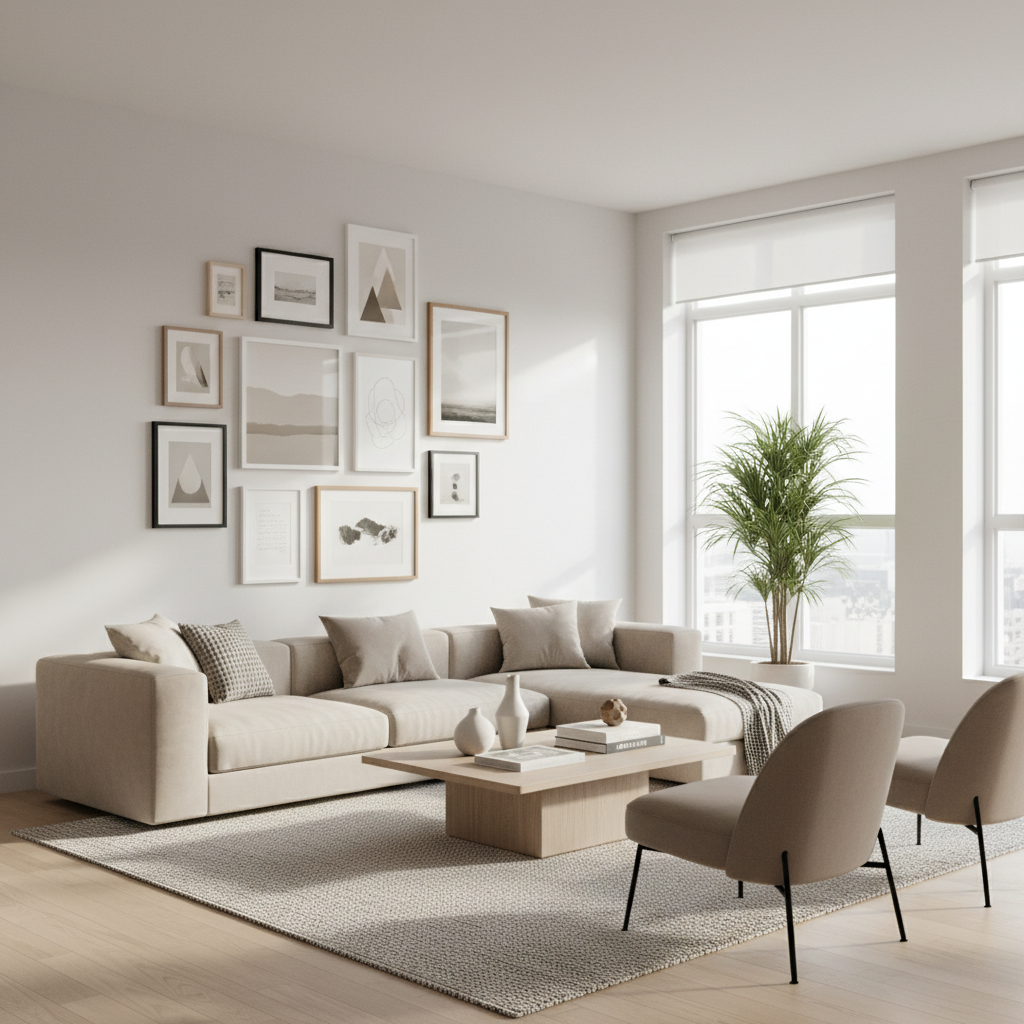
Why “no-drill” wall decor fails in rentals (and how to avoid it)
Most “it ripped my paint” stories come down to mismatch, not bad luck. The strip, hook, or tape might be fine, but the wall finish, weight, and removal technique don’t cooperate.
- Paint quality varies: Many rentals use budget flat paint, sometimes applied over old layers. Adhesives can grab the top layer more than you expect.
- Texture reduces contact: Orange peel, knockdown, brick, or heavily textured walls give less surface area, so strips may pop off under load.
- Humidity and heat: Bathrooms, kitchens, and sunny windows can weaken adhesives or make them cure too aggressively.
- Removal angle matters: Pulling outward is what causes damage. Most removable tabs need a slow, straight-down stretch.
According to the U.S. Consumer Product Safety Commission (CPSC), falls are a leading cause of injury in the home, so anything heavy mounted overhead deserves extra care, even in rentals. If a mirror or shelf can fall onto a bed or walkway, choose a more secure no-drill method or consider professional help.
Quick self-check: what can your walls handle?
Before you buy supplies, take 2 minutes and classify your situation. This saves you from “rated for 16 lbs” marketing that doesn’t match your wall reality.
Surface check (pick the closest match)
- Smooth painted drywall: easiest for removable strips and hooks.
- Textured drywall: workable, but use larger contact surfaces and lower weight targets.
- Plaster walls: can be brittle; test a small area with painter’s tape first.
- Brick/concrete: adhesives are hit-or-miss; lean toward freestanding or tension systems.
- Wallpaper: high risk; many adhesives can lift it. Use leaning frames or rail systems that don’t touch paper.
Weight and risk check
- Low risk: posters, small frames, lightweight decor.
- Medium risk: larger frames, small mirrors, wall baskets.
- High risk: heavy mirrors, shelves with objects, anything above a crib/bed/sofa path.
If you’re in medium-to-high risk, plan for redundancy, meaning two anchors or a system that distributes load across multiple points, rather than a single hook.
No-drill solutions that work (and what they’re best for)
Here are the renter-safe methods that tend to perform consistently, with realistic boundaries.
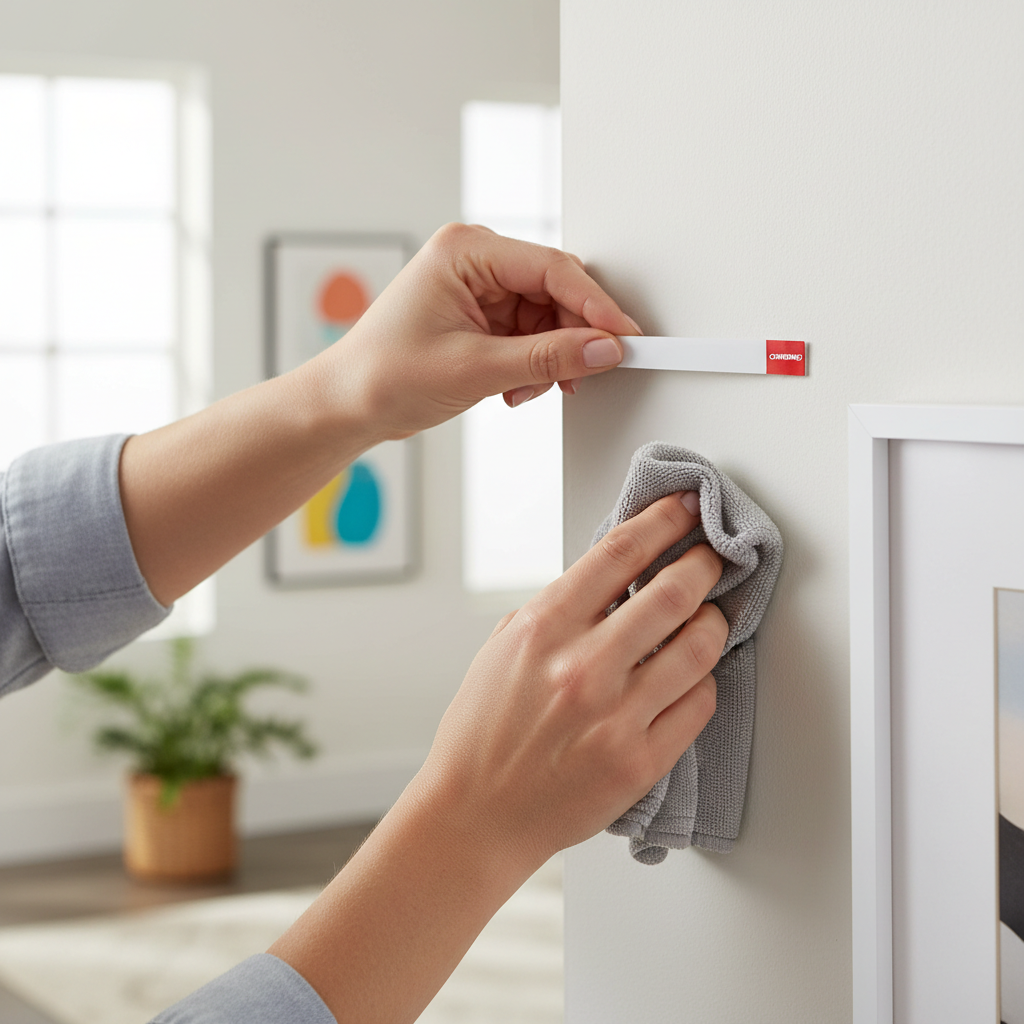
1) Removable adhesive strips and hooks
Best for gallery walls, small-to-medium frames, lightweight wall objects. Choose strips with a removable pull tab and use more than the minimum if the frame is wide.
- Use case: frames, small mirrors, wall grids, light wreaths.
- Watch-outs: textured walls, cheap paint, humid rooms.
2) Adhesive picture-hanging pads (for light frames)
These are often simpler than strip systems, but they’re less forgiving on removal. I treat them as “temporary-seasonal” rather than “I’ll forget about it for two years.”
- Use case: small frames, lightweight prints.
- Watch-outs: paint lift risk if removed fast or cold.
3) Tension rods and tension-mounted poles
If you want impact without wall contact, tension systems are underrated. You can hang curtains, plants, even lightweight art panels from a pressure rod setup.
- Use case: window decor, room dividers, hanging textiles.
- Watch-outs: over-tightening can mark trim, measure carefully.
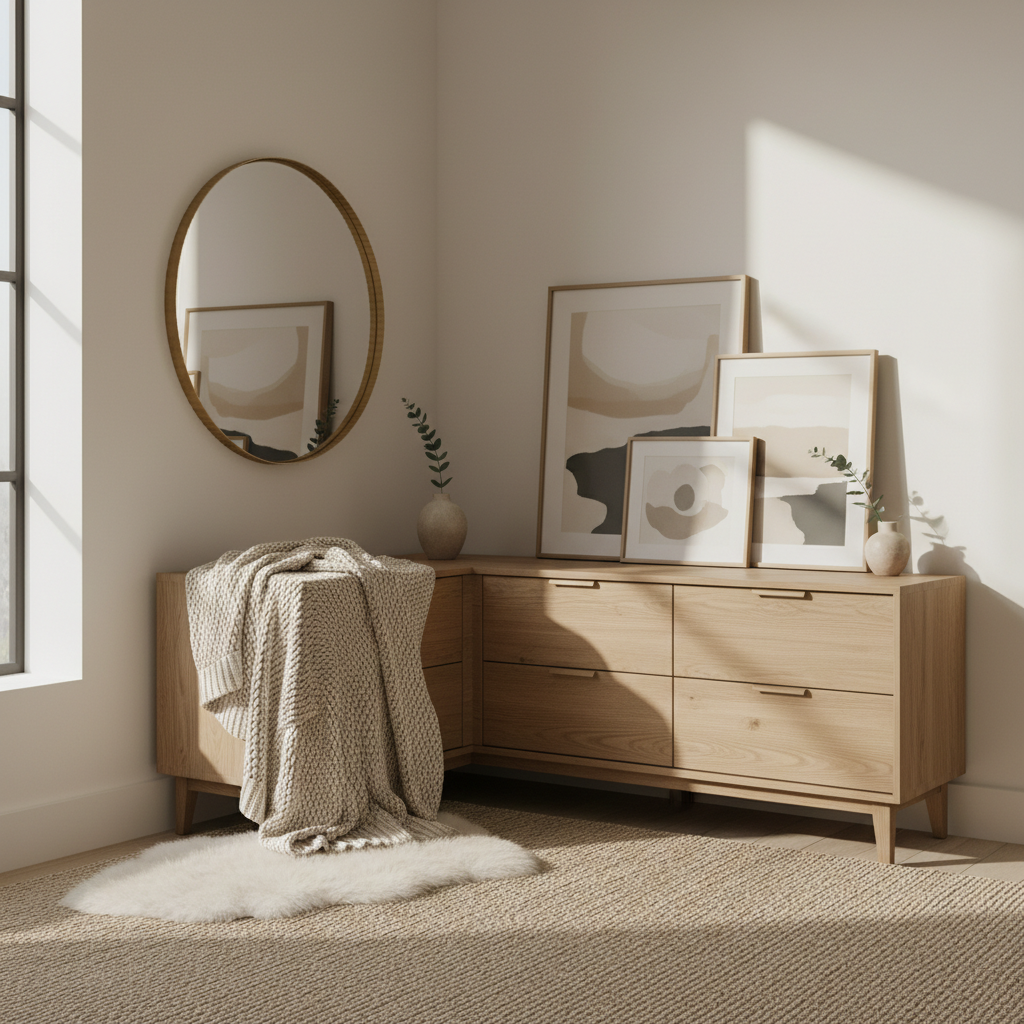
4) Leaning decor and furniture-assisted styling
Leaning frames on a console, dresser, or bookshelf gives you a “designed” look with almost zero wall risk. It also makes rearranging easy, which matters more than people admit.
- Use case: large art, mirrors, layered vignettes.
- Watch-outs: earthquake-prone areas or homes with kids/pets, consider anti-tip precautions.
5) No-drill rails, ledges, and removable wall molding systems
Some systems use high-strength removable adhesive to mount a long rail, then you swap art using hooks. This spreads weight across a larger area, which often behaves better than one heavy point.
- Use case: rotating galleries, multiple frames, flexible layouts.
- Watch-outs: needs precise leveling, removal takes patience.
How to choose: a practical comparison table
Here’s a quick way to match decor goals to methods without overthinking it.
| Decor goal | Good no-drill option | Why it fits | Risk level |
|---|---|---|---|
| Gallery wall of small frames | Removable adhesive strips | Easy repositioning, clean look | Low–Medium |
| Large statement art | Leaning frame on console | No wall load, easy swap | Low |
| Bathroom decor | Tension shelf/rod, or minimal adhesive | Handles humidity better than many tapes | Medium |
| Medium mirror in hallway | Rail system or multiple-strip mounting | Distributes weight across area | Medium–High |
| Seasonal wreath or sign | Removable hook | Fast changeouts | Low |
Step-by-step: hang art without drilling and remove it cleanly
Rental friendly wall decor without drilling becomes much easier when you treat it like a mini process, not a one-step stick-and-pray moment.
Before you stick anything
- Clean the wall: use isopropyl alcohol on a lint-free cloth, then let it dry. Household cleaners can leave residue.
- Test a hidden spot: place painter’s tape for a day, pull slowly. If paint lifts, go with leaning decor or tension setups.
- Plan the layout: for galleries, mark with paper templates or painter’s tape lines, then you commit once.
When mounting
- Use enough contact: for wide frames, more strips beats “stronger” strips in many cases.
- Press and wait: many adhesives need firm pressure and a short set time before full load.
- Keep it level: small misalignment tempts re-sticking, which wears down adhesive and paint.
When removing
- Warm the room: cold paint tends to chip; a comfortable room temp helps.
- Pull tabs the right way: stretch downward slowly, close to the wall, not out toward you.
- Go slow: if it resists, pause, re-stretch, or use gentle heat from a hair dryer at a distance.
If removal feels risky, stop and switch tactics rather than forcing it. Paint repair might still be minor, but you want to avoid tearing paper facing on drywall.
Common mistakes renters make (even careful ones)
- Trusting the weight rating blindly: ratings assume ideal surfaces and proper cure time, which many rentals don’t provide.
- Hanging valuables over high-traffic areas: even good adhesives can fail if bumped, slammed doors vibrate walls, or humidity swings.
- Skipping wall prep: oils and dust reduce adhesion fast, then people over-tighten or over-tape to compensate.
- Using “permanent” tapes: some foam mounting tapes hold like a champ, then take paint with them when you move.
Also, check your lease. Some rentals treat any wall alteration as damage even if it’s tiny. It’s annoying, but it’s cheaper to know early.
When to get help or choose a safer alternative
If you’re mounting anything heavy, or you’re dealing with unusual walls, it may be smarter to pivot to freestanding decor or ask a pro. That’s not being precious, it’s being practical.
- Heavy mirrors or shelves: consider professional installation or a floor mirror and bookcase styling instead.
- Older plaster or flaky paint: adhesives may pull surface layers; a handyman can advise on safer attachment points.
- Brick/concrete with unknown finish: specialty systems exist, but testing matters and failure can be messy.
For safety, if you’re unsure whether a piece could fall and cause injury, consider consulting a qualified installer or your property manager for approved methods.
Conclusion: make it feel like home, then leave it like you found it
Rental friendly wall decor without drilling works best when you match method to wall, keep weight realistic, and plan for removal from day one. If you want a simple next step, pick one wall, do a small test hang, and remove it a week later so you learn how your paint behaves before you commit to a whole room.
If you’re trying to refresh a rental quickly, start with a leaning statement frame plus one adhesive-based mini gallery, you’ll get the “finished” look without betting your deposit on a single hook.
Key takeaways
- Surface matters more than product: smooth painted drywall is easiest; texture and wallpaper raise risk.
- Distribute weight: multiple strips or rail systems often outperform one “strong” hook.
- Removal is a technique: slow, downward stretching prevents most paint damage.